blog
Malta combines UNESCO World Heritage history, warm Mediterranean seas, and short travel times that make multi-stop days genuinely enjoyable. From Valletta’s honey-coloured fortifications to prehistoric temples older than the pyramids, we can plan a trip that feels both effortless and deeply rewarding. To keep everything organised—routes, neighbourhoods, day trips, and timings—we can follow our Malta trip planning guide ({INSERT YOUR INTERNAL LINK URL HERE}).
Before we step out on day one, we recommend packing a dependable day bag for water, sun protection, and camera essentials:
https://amzn.to/4iTarT1
Why Malta Is a Must-Visit Mediterranean Destination
Malta’s advantage is density. Within a compact area, we can move from grand Baroque cathedrals to sea caves, from quiet fishing villages to vibrant waterfront promenades. The islands—Malta, Gozo, and Comino—each feel distinct, so the itinerary stays fresh. Valletta is a particularly powerful base, offering a concentrated mix of fortifications, museums, and harbour views.
A high-performing Malta itinerary usually works best when we plan one “anchor” experience per day (Valletta, a UNESCO site, a boat day, a Gozo loop) and then layer flexible extras around it. When we keep our planning centralised, we avoid the common mistake of stacking too many must-sees in one day. We can use our Malta trip planning guide to keep routes realistic and smooth.
Best Time to Visit Malta for Weather, Crowds, and Value
If we want the best balance of comfortable temperatures and manageable crowds, we typically target:
- Spring (March–May): ideal for walking days in Valletta and Mdina, plus archaeological sites
- Summer (June–August): best sea conditions, but we plan earlier starts and book popular trips
- Autumn (September–November): warm sea lingers, crowds soften, dining stays lively
- Winter (December–February): best for culture-focused breaks and atmospheric city exploring
Pro tip: If the trip includes long walking days and temples, spring and autumn are often the most comfortable. If it is primarily sea-focused, summer becomes the obvious choice—provided we plan around peak demand.
Entry Requirements for Malta and Border Planning Tips
Malta is in the Schengen Area, so entry rules vary depending on passport nationality and length of stay. We should check official requirements before booking, then re-check shortly before departure.
A reliable reference point for UK travellers is the government entry guidance:
https://www.gov.uk/foreign-travel-advice/malta/entry-requirements
We should also stay aware of EU border processing changes (such as the Entry/Exit System, depending on rollout phases and passport type). Official reference:
https://travel-europe.europa.eu/ees
How to Get Around Malta: Transport Options That Save Time
Malta rewards smart transport planning. We can mix buses, ferries, and taxis depending on the day’s priorities.
Public Buses (Best for Cities and Popular Routes)
Buses are practical for most routes when we plan timings well. The most reliable reference for routes, fares, and service updates is the official Malta Public Transport portal:
https://www.publictransport.com.mt/
Ferries (Best for Scenic Crossings and Quick Links)
Harbour ferries can be faster than driving, especially when traffic builds. Ferries also make island connections to Gozo more convenient, letting us add Gozo to the itinerary without major disruption.
Taxis (Best for Time-Critical Transfers)
A short taxi ride can be worth it when we need to protect a museum slot, a boat departure, or a dinner reservation.
Driving (Best for Remote Coves and Flexible Beach-Hopping)
Driving can be useful, but parking and congestion add friction in city centres. If we rent a car, we typically plan car days for coastal exploration, not Valletta or Mdina.
For beach and boat days, we protect our essentials with a dry bag:
https://amzn.to/4iTarT1
Where to Stay in Malta: Best Areas for First-Timers
Choosing the right base determines whether the trip feels effortless or chaotic. We can either stay in one hub and day trip, or split the trip between Malta and Gozo.
Valletta: Best for History, Walkability, and Culture
Valletta is ideal if we prioritise architecture, museums, harbour viewpoints, and dining without needing a car. It is also a UNESCO-listed city, making it one of the strongest cultural bases in the Mediterranean.
UNESCO reference: https://whc.unesco.org/en/list/131/
Sliema and St Julian’s: Best for Convenience and Dining Variety
These areas offer a wide range of accommodation, waterfront promenades, and easy transport links to Valletta.
Mellieħa and the North: Best for Beaches and Comino Boat Days
If swimming and boat trips are priorities, the north often reduces travel time and makes early departures easier.
Gozo: Best for Slower Pace and Scenic Countryside
For trips longer than five days, a 1–2 night stay in Gozo can transform the experience. To decide whether to day-trip or stay overnight, we can map priorities in our Malta trip planning guide.
Top Things to Do in Malta: The Ultimate Itinerary Builder
A high-performing Malta trip combines heritage days with sea days, ensuring the itinerary stays balanced.
Explore Valletta: Fortifications, Museums, and Harbour Views
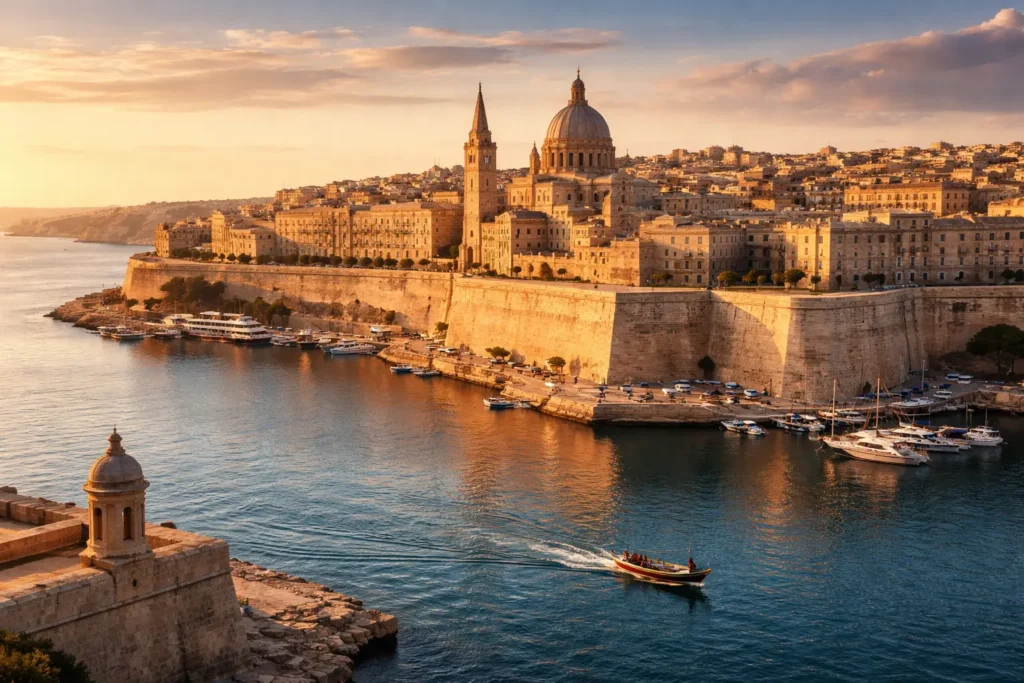
Valletta is best explored with a simple loop to avoid backtracking. We can start near the main gate, move through the central streets for museums and cafés, then end near the harbour viewpoints for golden-hour views.
If travelling in shoulder season, a packable jacket can be helpful:
https://amzn.to/496Yx4B
Discover Prehistoric Malta: Hypogeum and Megalithic Temples
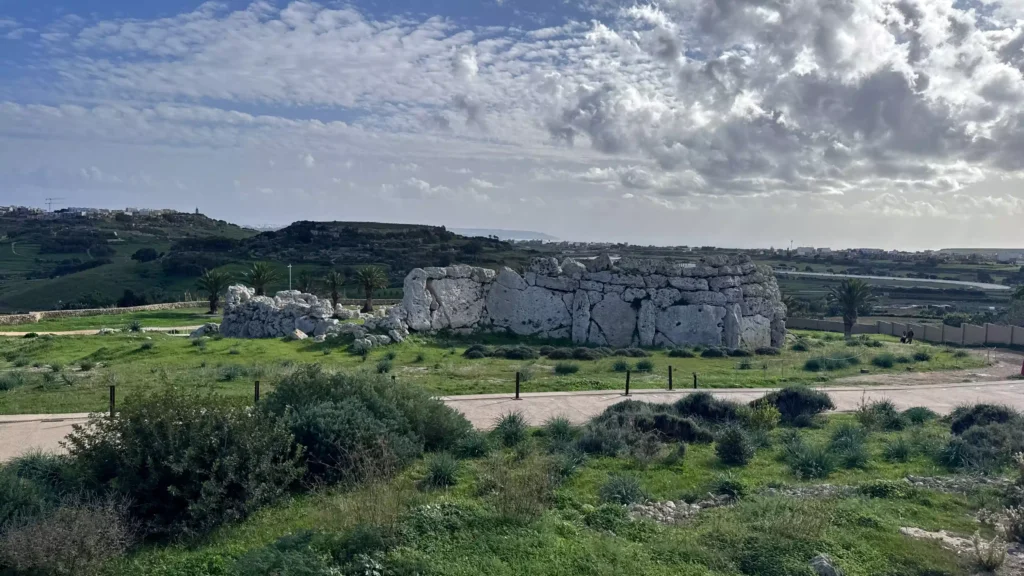
Prehistoric Malta is one of the island’s most distinctive assets, and it elevates the itinerary beyond typical Mediterranean beach travel.
Ħal Saflieni Hypogeum (Book-First Experience)
The Hypogeum is tightly controlled for preservation, so planning is essential. We should treat it as a “book-first, build-around” attraction. Official info:
https://heritagemalta.mt/explore/hal-saflieni-hypogeum/
Ticket listing: https://heritagemalta.mt/store/s81/
For ticket days, an RFID wallet can keep documents and cards organised:
https://www.amazon.com/dp/PRODUCTCODE?tag={YOUR-AFFILIATE-TAG}
Ħaġar Qim and Mnajdra (High-Impact Megalithic Sites)
These sites combine ancient history with dramatic coastal scenery. Official reference:
https://heritagemalta.mt/explore/hagar-qim-and-mnajdra-archaeological-park/
Reef-safe sunscreen is a daily essential in Malta’s reflective coastal light:
https://amzn.to/4qaKktm
Mdina and Rabat: The Silent City and Inland Contrast
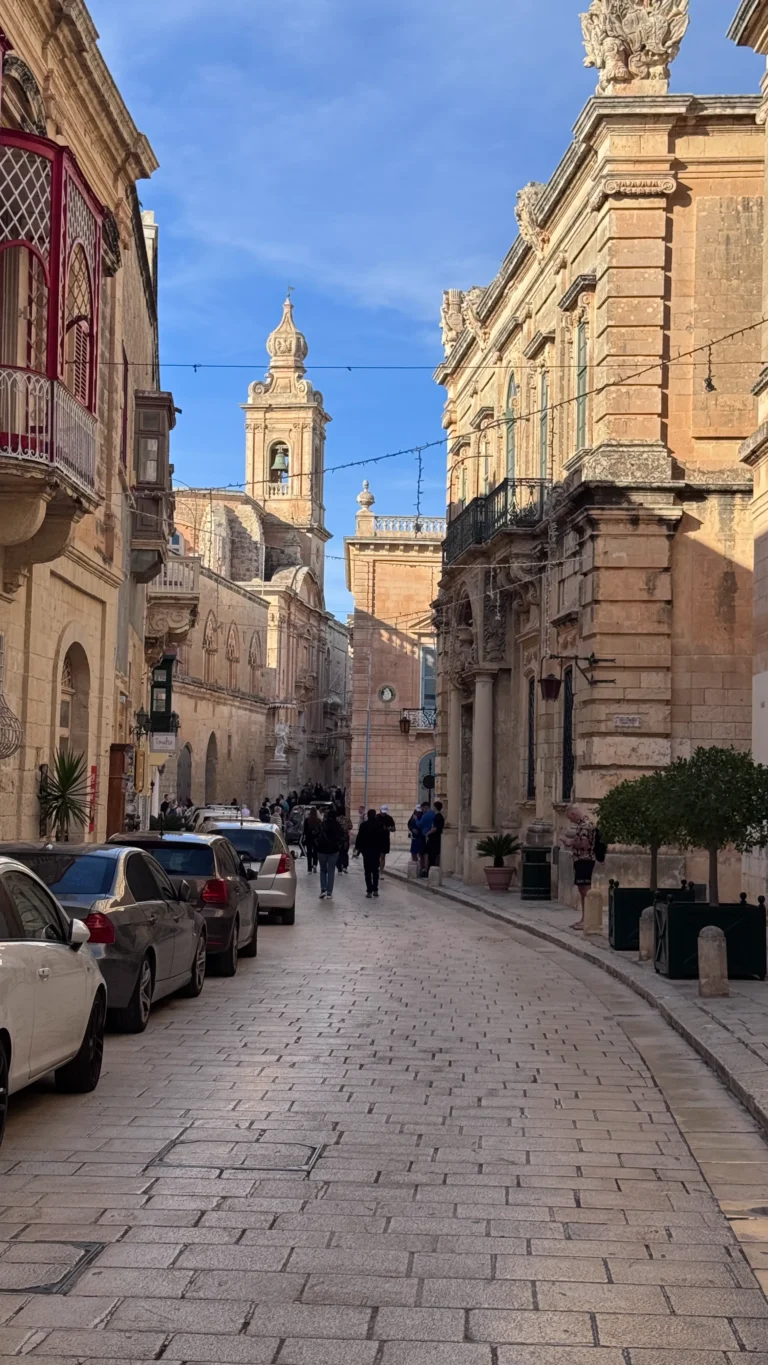
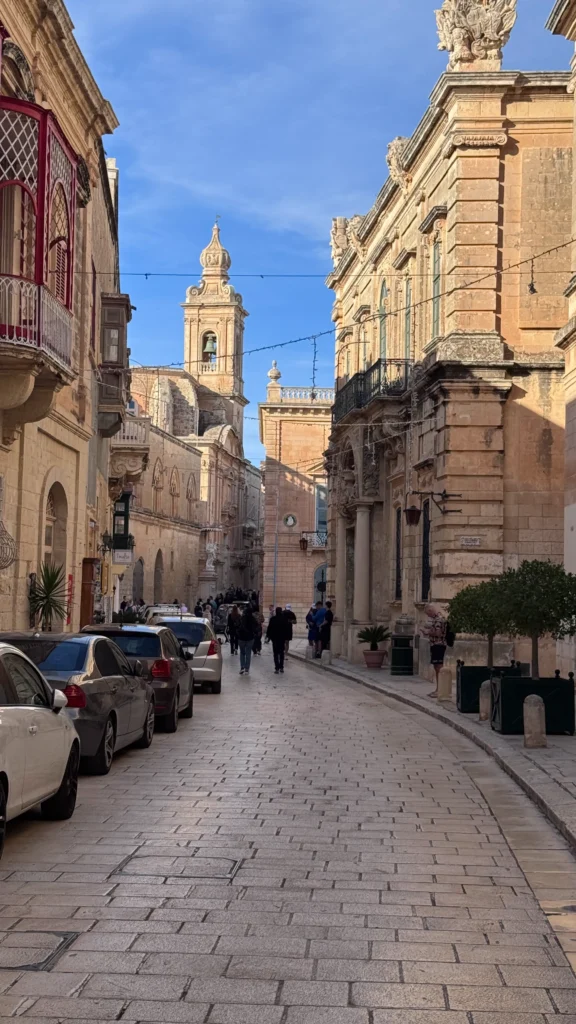
Mdina’s calm, elevated streets create a striking contrast to Malta’s busier coastal zones. We can pair Mdina with nearby Rabat to create a full inland day that feels slower, cooler, and deeply atmospheric.
Comino’s Blue Lagoon: Plan Around Access Rules
Comino is stunning, but conservation and visitor control matter. We should check the official Blue Lagoon visitor booking guidance and align boat plans with any required time slots:
https://www.visitmalta.com/en/info/blue-lagoon-visitor-booking-system/
A dry bag is highly practical for this day:
https://amzn.to/451lFz1
Gozo: A Different Island Mood
Gozo offers a quieter rhythm and scenic countryside. If we are unsure whether to day trip or stay overnight, we can map the trade-offs in our Malta trip planning guide
Malta Itinerary Ideas: 3 Days, 5 Days, and 7 Days
3-Day Malta Itinerary (First-Timers)
Day 1: Valletta (heritage loop + harbour views + dinner)
Day 2: Mdina and Rabat (inland day + sunset)
Day 3: Comino (Blue Lagoon boat day aligned to official access guidance)
For tight itineraries, we recommend a fast-charging power bank:
https://amzn.to/48St70A
5-Day Malta Itinerary (Balanced)
Day 1–2: Valletta + waterfront districts + flexible coastal time
Day 3: Ħaġar Qim & Mnajdra + south coast viewpoints
Day 4: Gozo day trip (or overnight if pace matters)
Day 5: Beach morning + museum afternoon + final dinner
7-Day Malta Itinerary (All Islands, No Rush)
With a week, we can slow down: add a Gozo overnight stay, secure Hypogeum tickets, and create multiple swim windows. The key is to plan one anchor highlight per day and keep the rest flexible.
Maltese Food and Drink: What We Should Try
Food is best when we treat it as part of the itinerary, not something we squeeze in. We can schedule relaxed lunches to recover from sightseeing and reserve dinners in waterfront locations.
What we should look for:
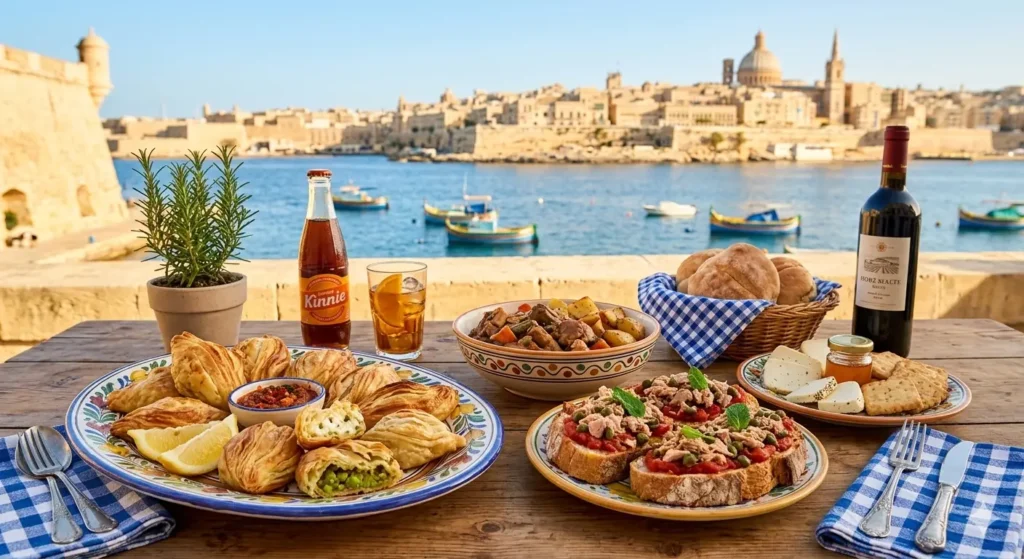
- Pastizzi for fast, satisfying snacks
- Seafood lunches along the coast
- Maltese bread and local staples for simple value meals
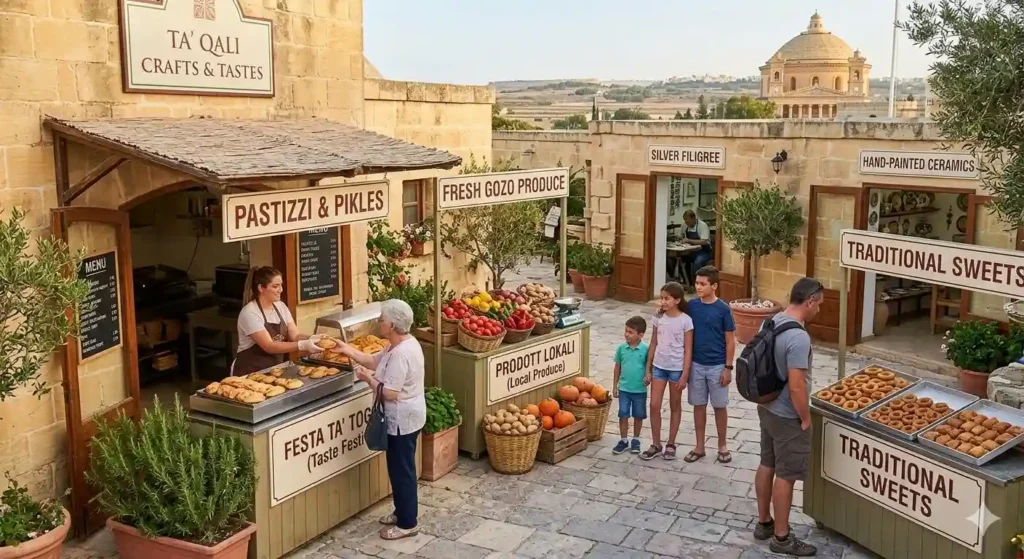
- Festa food stalls when seasonal celebrations align with our dates
For long walking days, an insulated water bottle keeps hydration consistent:
https://amzn.to/3MEcPkv
Practical Malta Travel Tips: Budget, Safety, and Packing Strategy
Malta can be done value-first with buses and casual eateries, or elevated with boutique hotels, curated dining, and private charters. To prevent budget drift, we decide early how many taxis and boat days we want and book the most important ones first.
For comfort and safety, we plan:
- early starts on peak-sun days
- secure storage for documents during boat trips
- small time buffers for busy evenings and transport gaps
A compact first-aid kit can help with rocky swim entries and minor blisters:
https://amzn.to/3YrSvFC
Recommended Gear for Ultimate Malta Travel Guide
- Travel day backpack
https://amzn.to/4iTarT1 - Dry bag (phone/passport protection)
https://amzn.to/451lFz1 - Reef-safe sunscreen
https://amzn.to/4qaKktm - Polarised sunglasses
https://amzn.to/4pBrs6Z - Reusable insulated water bottle
https://amzn.to/3MEcPkv - Universal travel adapter
https://amzn.to/4rW9NZ1 - Fast-charging power bank
https://amzn.to/48St70A - Snorkel set (mask + snorkel)
https://amzn.to/3KFosXX - Water shoes (rocky entries + boat ladders)
https://amzn.to/48SitHh - RFID travel wallet
https://amzn.to/3KJrk68
FAQ: Ultimate Malta Travel Guide
How many days should we plan for Malta?
Five days balances Valletta, one inland heritage day, and at least one sea-focused day. A seven-day plan adds Gozo overnight and more flexibility for limited-capacity attractions like the Hypogeum.
Is Valletta worth staying in, or better as a day trip?
Valletta is worth staying in if we prioritise walkability, museums, dining, and harbour views. Early mornings and evenings in the historic area are calmer and more scenic.
How do we get around Malta without renting a car?
We can use buses for most routes and ferries for key crossings. For time-sensitive transfers, an occasional taxi often saves a surprising amount of stress.
Do we need to book the Blue Lagoon in advance?
We should plan ahead. The Blue Lagoon may run under a visitor booking system with time slots designed to protect the environment. Official guidance:
https://www.visitmalta.com/en/info/blue-lagoon-visitor-booking-system/
Water shoes help on rocky entries:
https://amzn.to/4aK1cm3
How hard is it to get Hypogeum tickets?
Tickets can be limited due to preservation controls, so we treat it as book-first and build the itinerary around the confirmed time slot. Official info:
https://heritagemalta.mt/explore/hal-saflieni-hypogeum/
Ticket listing: https://heritagemalta.mt/store/s81/
Which UNESCO sites should we prioritise if time is limited?
If time is tight, we prioritise Valletta and one megalithic temple site such as Ħaġar Qim & Mnajdra. We include the Hypogeum only if tickets are secured early.
What should we pack for Malta beyond standard summer clothing?
We add strong sun protection, a dry bag for boat days, and reliable charging for navigation and tickets. A power bank is a simple upgrade:
https://amzn.to/3MxBU0C
Where should we start planning our itinerary?
We start by choosing a base (Valletta vs coast vs Gozo), then securing limited-capacity attractions and boat-day logistics first. A central reference helps: Malta trip planning guide.
As we explore the best places to visit in Valletta, we uncover a city where ancient fortifications, baroque architecture, Mediterranean charm, and cultural treasures come together in unforgettable harmony. Valletta, a UNESCO World Heritage Site, is widely recognized for its artistic and architectural significance.
Learn more here: UNESCO – City of Valletta.
If you want to expand your Malta itinerary further, don’t miss our in-depth feature:
👉 Malta – Where Ancient History Meets Azure Waters.
To enhance your trip, we recommend essential accessories such as this lightweight travel backpack and this compact travel camera (to capture Valletta’s exquisite beauty.
Grand Master’s Palace: A Testament to Malta’s Noble Past
The Grand Master’s Palace, located in the heart of Valletta, reflects the tremendous legacy of the Knights of St. John. Its opulent State Rooms and the impressive Palace Armoury showcase centuries of European military and political history, from elaborately decorated suits of armour to finely crafted weapons.
Official visitor info:
Heritage Malta – Grand Master’s Palace
Travel tip: A pocket-size Malta travel guide can help you understand the historical details as you explore.
St. John’s Co-Cathedral: A Baroque Masterpiece
St. John’s Co-Cathedral is one of the most magnificent baroque churches in Europe. Its interior—complete with gilded walls, marble tombstones, ornate side chapels, and a richly painted vaulted ceiling—reflects the immense wealth and devotion of the Knights.
Inside, you’ll find Caravaggio’s masterpiece “The Beheading of St. John the Baptist,” the only painting he ever signed and a highlight for art lovers worldwide.
Official site:
St. John’s Co-Cathedral
Art enthusiasts may appreciate this Caravaggio art book
Amazon link: https://amzn.to/3XNZVmA
Upper Barrakka Gardens: Iconic Views Over the Grand Harbour
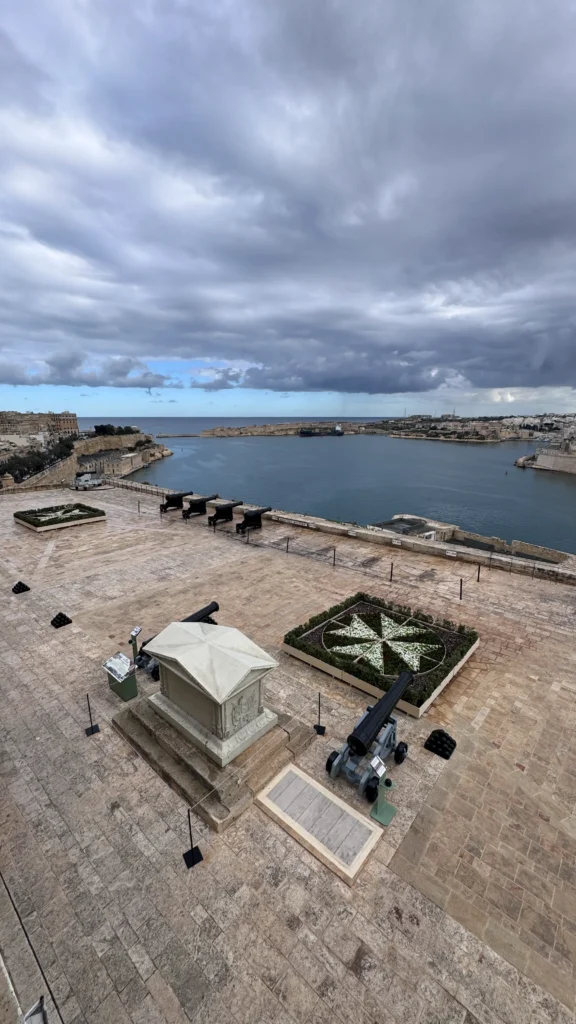
The Upper Barrakka Gardens offer sweeping views over the Grand Harbour, one of Malta’s most awe-inspiring natural ports. Manicured flowerbeds, statues, and shady arcades create a peaceful retreat above the city’s bastions. Each day at noon, visitors gather on the terrace to watch the historic Saluting Battery cannon ceremony.
External link:
Upper Barrakka Gardens – Visit Malta
Improve your photography with a portable smartphone tripod
Amazon link: https://amzn.to/3MtQoyw
The Grand Harbour: Malta’s Historic Maritime Jewel
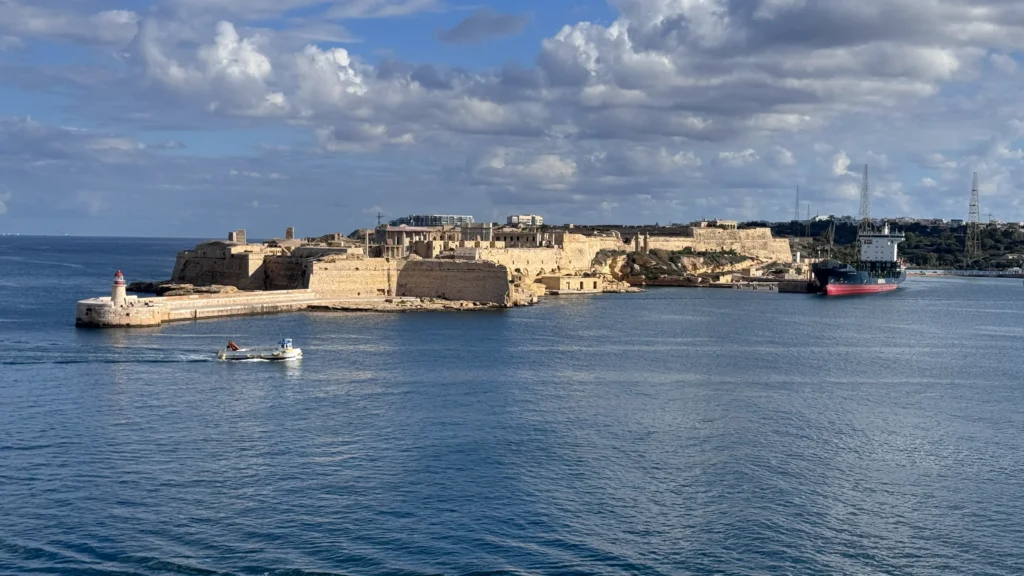
The Grand Harbour has witnessed centuries of battles, maritime trade, and naval strategy. A harbour cruise or a ride on a traditional dgħajsa boat gives us unforgettable perspectives of Valletta’s walls, neighbouring fortresses, and the Three Cities.
External link:
Grand Harbour – Visit Malta
If you want to discover more of Malta beyond the capital, explore our guide here:
👉 Malta – Where Ancient History Meets Azure Waters.
Boost your seaside photography with a polarizing lens filter
Amazon link: https://amzn.to/4iRmdx9
National Museum of Archaeology: Journey Into Malta’s Ancient Civilizations
The National Museum of Archaeology displays remarkable prehistoric artifacts including the Sleeping Lady, Venus of Malta, and intricately carved temple figures from sites such as Ħaġar Qim and Tarxien. We gain insight into one of the world’s oldest temple-building cultures and better understand Malta’s unique place in Mediterranean prehistory.
Official page:
National Museum of Archaeology – Heritage Malta
Supplement your knowledge with this Malta archaeology book
Amazon link: https://amzn.to/48ICcck
Fort St. Elmo and the National War Museum
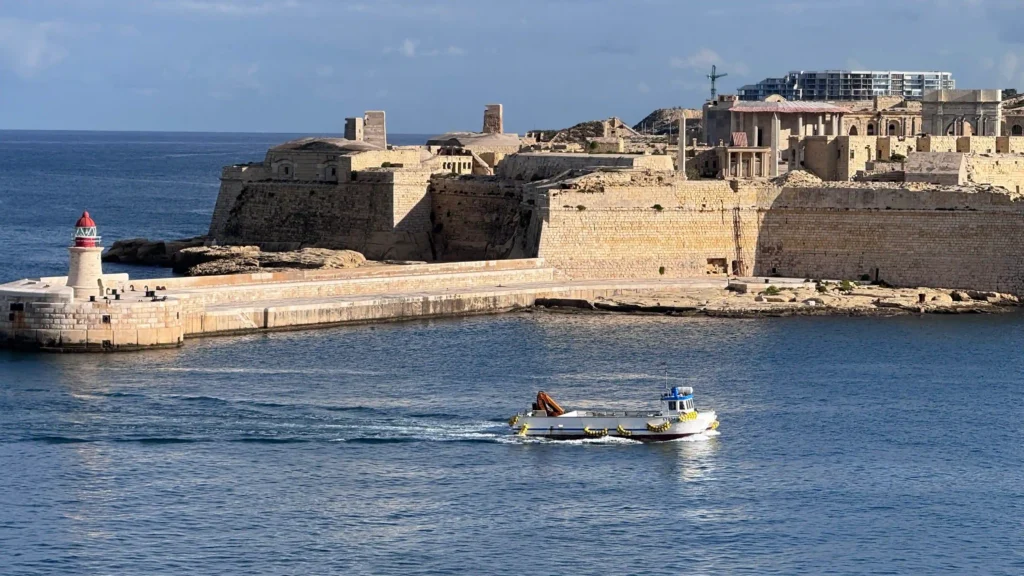
Perched at the tip of the peninsula, Fort St. Elmo is one of Malta’s most significant fortifications. It played a crucial role during the Great Siege of 1565 and again in World War II. Today, its ramparts offer spectacular harbour views while the National War Museum inside tells the story of Malta’s resilience through conflict.
Official page:
National War Museum – Heritage Malta
Enhance your understanding of Malta’s wartime history with this popular WWII Malta book
Amazon link: https://amzn.to/4rPLH2d
Republic Street and Merchant Street: Valletta’s Cultural Soul
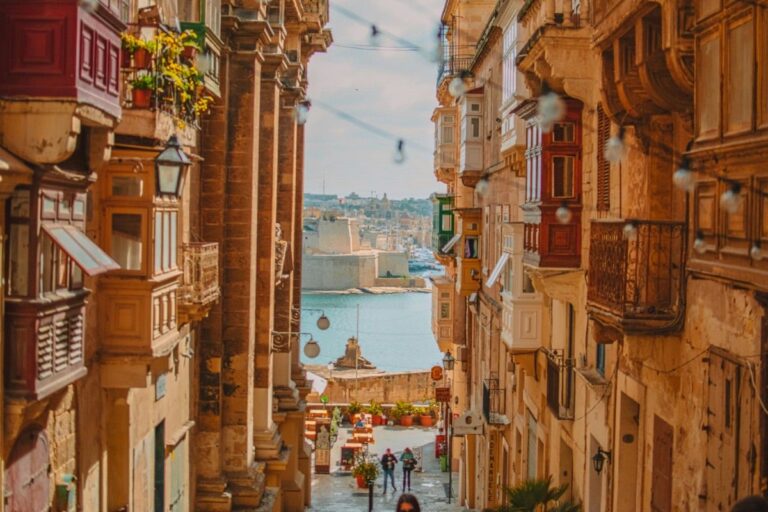
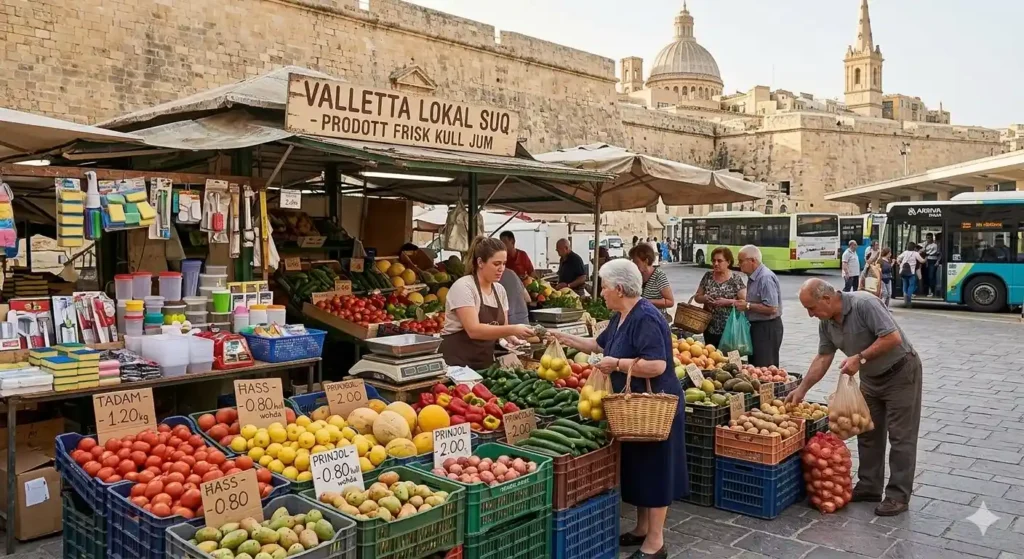
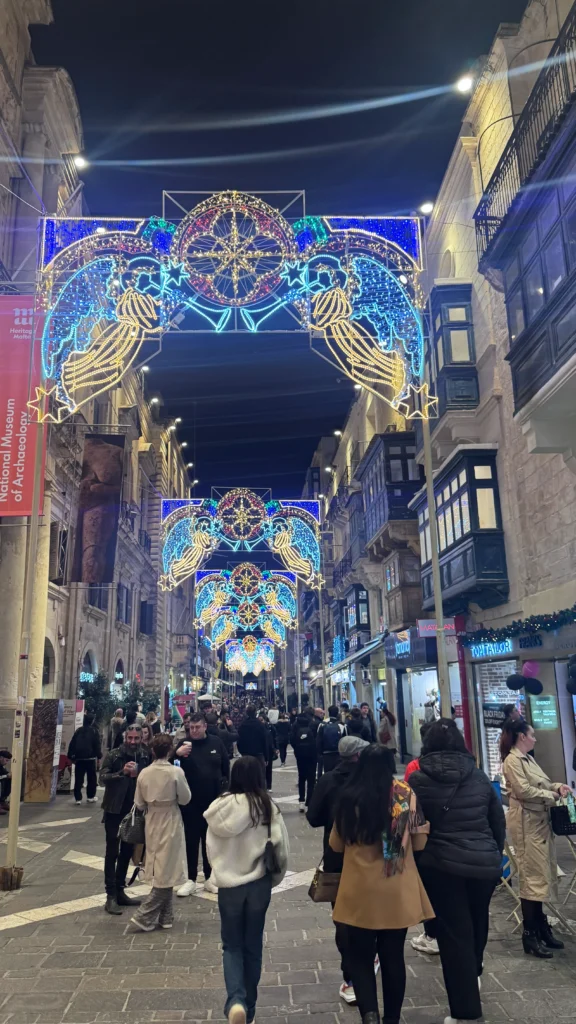
Valletta’s bustling urban life is centered around Republic Street and Merchant Street. Here we find elegant facades, traditional balconies, open-air markets, independent boutiques, and inviting cafés where we can pause for Maltese pastries and coffee.
External link:
Valletta City Guide – Visit Malta
Navigate comfortably with supportive walking shoes.
Manoel Theatre: One of Europe’s Oldest Working Theatres
Built in 1731, the Manoel Theatre is a baroque jewel and one of the oldest working theatres in Europe. Its intimate horseshoe-shaped auditorium, gilded details, and crystal chandeliers create a magical setting for opera, drama, and classical music performances.
Official site:
Teatru Manoel
Casa Rocca Piccola: An Authentic Noble Residence
Casa Rocca Piccola is a 16th-century palace still lived in by a noble Maltese family. Guided tours reveal antique-filled drawing rooms, family heirlooms, and intimate stories of aristocratic life. Below the house, atmospheric WWII air-raid shelters give a moving glimpse into Malta’s wartime experience.
Official site:
Casa Rocca Piccola
Keep a compact LED flashlight handy for exploring darker areas
Amazon link: https://amzn.to/4iQBIW4
The Valletta Waterfront: Dining and Leisure Along the Sea
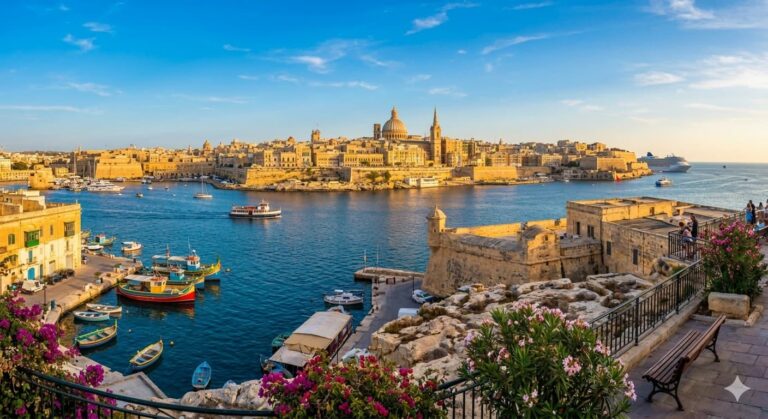
The Valletta Waterfront combines historical charm with modern leisure. Its row of colourful doors and restored 18th-century warehouses now houses restaurants, wine bars, and shops. At sunset, as cruise ships dock and lights reflect on the water, the atmosphere becomes particularly enchanting.
Official page:
Valletta Waterfront
Stay comfortable by the sea breeze with a lightweight travel shawl
Amazon link: https://amzn.to/48ODe6A
MUŻA – The National Community Art Museum
Located in a historic auberge, MUŻA presents a curated collection of Maltese and European art, from religious works and portraits to landscapes and contemporary pieces. The museum’s layout allows us to follow thematic routes and understand Malta’s history through visual culture.
Official link:
MUŻA – Heritage Malta
Exploring Valletta’s Fortifications: A Walk Through History
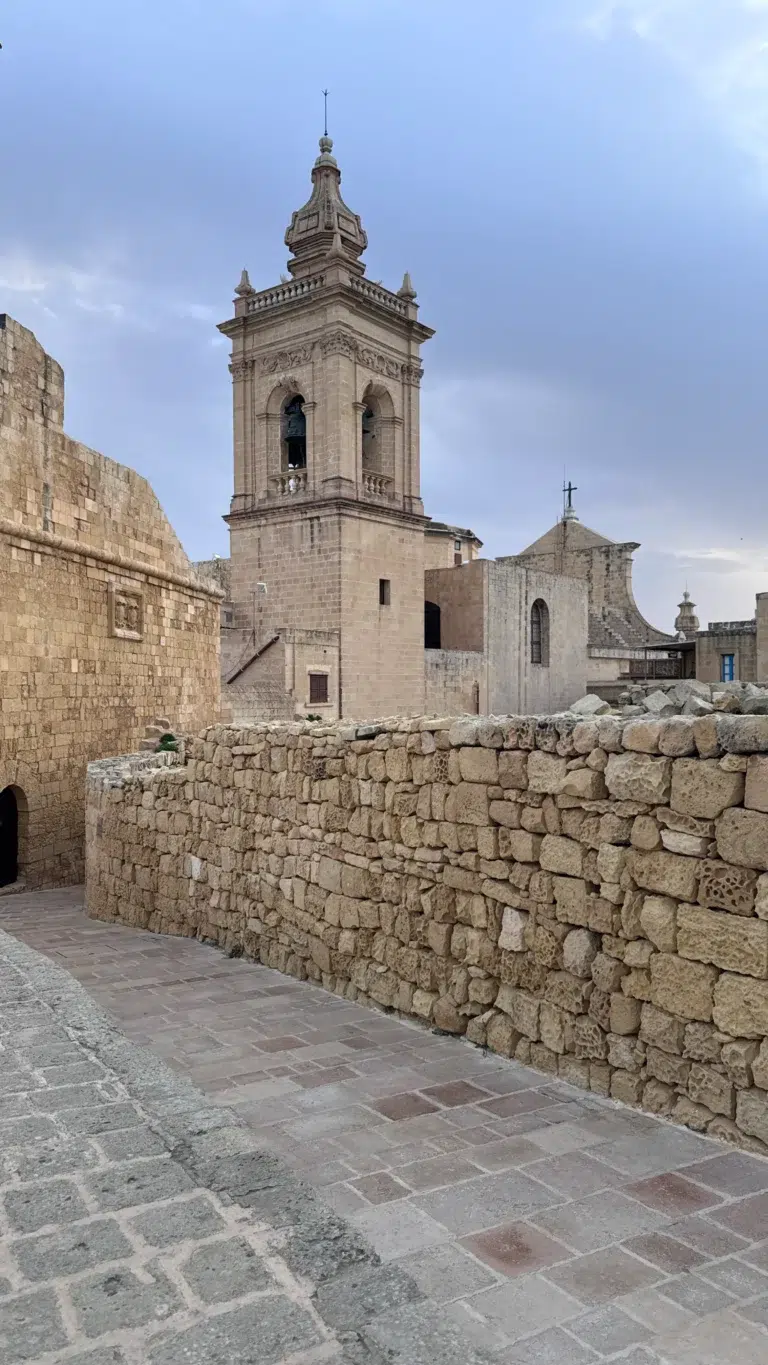
Valletta’s network of fortifications—including bastions, cavaliers, and strategic batteries—makes it one of the most impressive fortified cities in Europe. Walking along the walls rewards us with panorama after panorama over the Grand Harbour and Marsamxett Harbour.
Stay hydrated with a refillable stainless steel bottle
Amazon link: https://amzn.to/3MSS9W0
To broaden your exploration of Malta’s landscapes and cultural sites, don’t miss our full feature:
👉 Malta – Where Ancient History Meets Azure Waters.
Recommended Travel Gear for Your Valletta Trip
To make your journey through Valletta smoother and more comfortable, we have curated essential travel gear perfectly suited to Malta’s climate, walking streets, and scenic viewpoints.
1. Lightweight Travel Backpack
Ideal for carrying water, camera gear, and souvenirs while exploring on foot.
https://amzn.to/4q2nhAG
2. Portable Smartphone Tripod
Perfect for steady photos and time-lapses of the Grand Harbour and Upper Barrakka views.
https://amzn.to/4rS5BJK
3. Universal Travel Adapter (Type G Compatible)
Malta uses Type G plugs, so a universal adapter keeps all your devices charged.
https://amzn.to/48IjYYw
4. Stainless Steel Refillable Water Bottle
Stay hydrated while walking Valletta’s sun-drenched streets.
https://amzn.to/4a6tY00
5. Comfortable Walking Shoes
Supportive shoes are crucial for cobbled streets and hilly paths.
https://amzn.to/4pAxEfo
6. Compact Travel Camera
Capture detailed images of cathedrals, palaces, and harbour vistas.
https://amzn.to/3MTiuTP
7. Sun Protection Kit (Sunscreen + Hat)
The Mediterranean sun is strong; keep your skin and eyes protected.
Sunscreen: https://amzn.to/48S6p8V
Hat: https://amzn.to/3MAcq2v
8. Malta Travel Guidebook
A detailed guide helps you uncover hidden corners and historical context.
https://amzn.to/3MvuGdC
9. Compact LED Flashlight
Useful for shelters, fort tunnels, or dimly lit alleys.
https://amzn.to/3KTgH0A
10. Lightweight Travel Shawl or Wrap
Ideal for church visits and cooler evenings by the water.
https://amzn.to/4rOVrtl
For even more Malta travel inspiration, explore our full feature:
👉 Malta – Where Ancient History Meets Azure Waters.
FAQs About Visiting Valletta, Malta
Below we answer the most common questions travellers have when planning a trip to Valletta.
1. What are the best places to visit in Valletta?
The best places to visit in Valletta include St. John’s Co-Cathedral, the Grand Master’s Palace, Upper Barrakka Gardens, the Grand Harbour, the National Museum of Archaeology, Fort St. Elmo and the National War Museum, MUŻA, Casa Rocca Piccola, and the Valletta Waterfront. We also recommend simply wandering Republic Street, Merchant Street, and the city’s fortifications for beautiful viewpoints and hidden corners.
2. How many days do we need to explore Valletta?
We can see Valletta’s main highlights in one full day, but we strongly recommend 2–3 days to enjoy the city at a relaxed pace. With extra time, we can visit more museums, enjoy long lunches and harbour views, and take a cruise or evening stroll without rushing.
3. What is the best time of year to visit Valletta?
The best time to visit Valletta is during spring (April–June) and autumn (September–early November). During these months, the weather is pleasantly warm, crowds are more manageable, and outdoor sightseeing is comfortable. Summer (July–August) can be hot and busy, while winter is milder and quieter, ideal for travellers who prefer fewer crowds.
4. Is Valletta walkable for tourists?
Yes, Valletta is highly walkable. The city is compact, and most major attractions are within a short walk of each other. However, some streets are steep and paved with smooth stone, so we recommend wearing comfortable walking shoes and carrying water, especially in warmer months.
5. What should we wear when visiting churches in Valletta?
When visiting churches such as St. John’s Co-Cathedral, we should dress modestly and respectfully. Shoulders and knees should be covered, and hats removed inside. A lightweight shawl or wrap is a practical item to carry if we are wearing sleeveless tops or shorts.
6. Can we visit Valletta as a day trip from other parts of Malta?
Absolutely. Valletta is very well connected by public buses and taxis to popular areas such as Sliema, St. Julian’s, and the northern resorts. Many visitors stay elsewhere on the island and visit Valletta for a dedicated day of sightseeing, shopping, and dining.
7. Is Valletta a good base for exploring the rest of Malta?
Yes, Valletta makes an excellent base for exploring the rest of Malta. From here we can easily reach the Three Cities, Mdina, Rabat, Sliema, and other key destinations by bus or ferry. For a broader overview of what Malta has to offer beyond the capital, we recommend reading:
👉 Malta – Where Ancient History Meets Azure Waters.
Conclusion: Valletta’s Unmatched Blend of History and Beauty
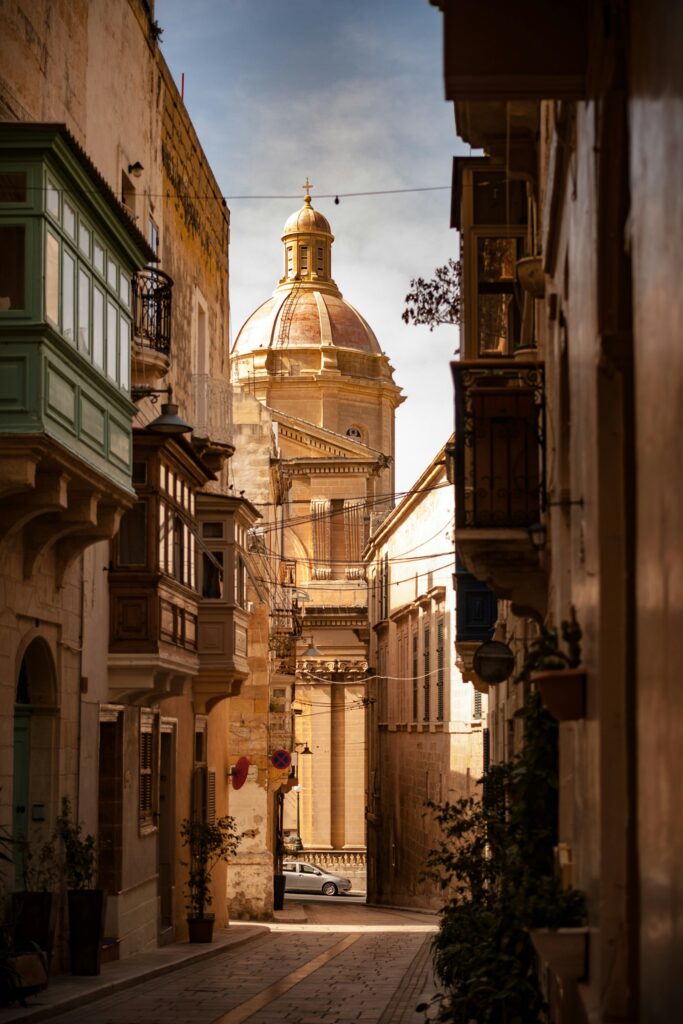
Valletta stands as a city where the past and present meet in perfect harmony. Its fortifications, churches, gardens, museums, waterfront, and living culture make it one of Europe’s most captivating capitals. Whether we are admiring baroque masterpieces, exploring noble palaces, or simply watching the sun set over the Grand Harbour, Valletta offers an unforgettable journey through layers of Mediterranean history.
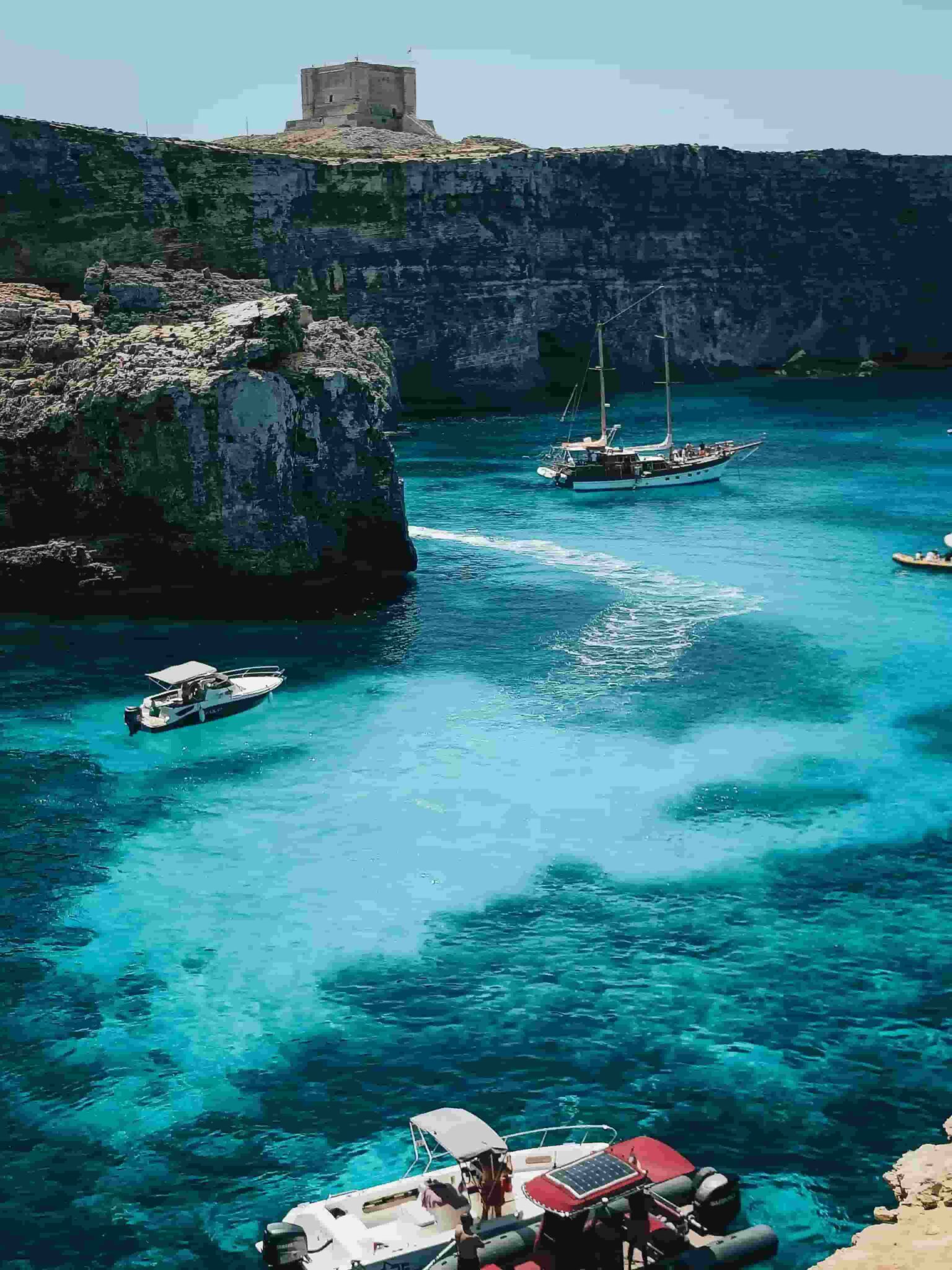
There’s something magical about swimming in the Mediterranean after spending the morning walking through a 5,000-year-old temple. Malta offers this rare combination—a place where you can trace the footsteps of Knights, Phoenicians, and Romans in the morning, then cool off in crystalline waters by afternoon. This tiny archipelago packs more history per square kilometer than almost anywhere on Earth, and it’s all wrapped in limestone cliffs, hidden coves, and some of the clearest water you’ll ever see.
how to reach malta
By Air
The easiest and fastest way to reach Malta is by flying into Malta International Airport (MLA), located in Luqa.
- Direct flights operate from major European cities such as London, Paris, Rome, Frankfurt, and Amsterdam.
- Budget airlines (Ryanair, EasyJet, Wizz Air) frequently offer affordable fares, especially outside peak season.
From the Airport to Your Accommodation
- Taxi: Readily available, with fixed rates to most towns.
- Airport Bus (TD Routes): A budget-friendly option connecting the airport to Valletta, St. Julian’s, Sliema, and other popular areas.
- Car Rental: Recommended if you plan to visit multiple beaches and remote spots — driving gives you the most flexibility.
By Ferry (From Italy)
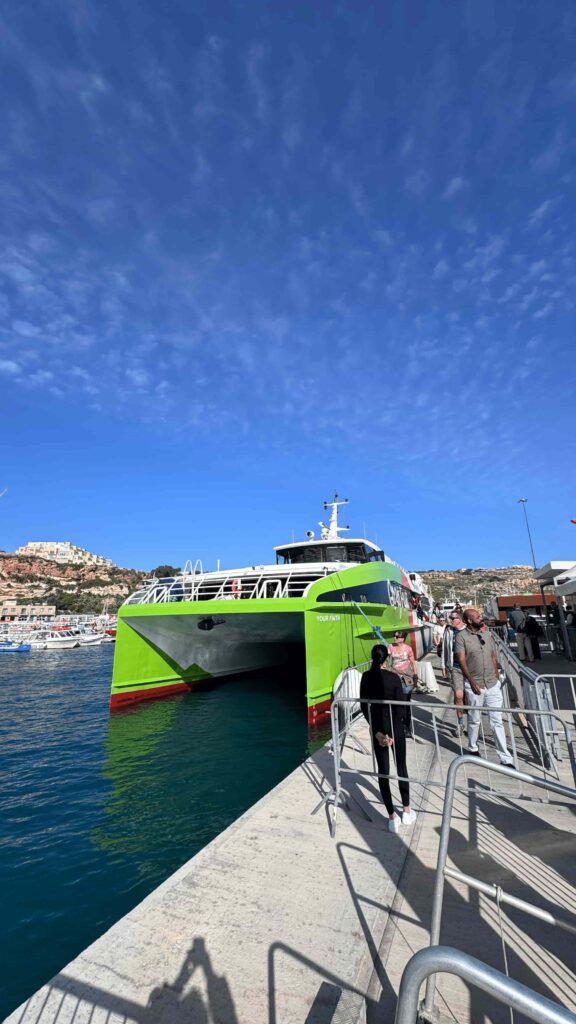
You can also reach Malta via ferry from Pozzallo or Catania in Sicily.
- The high-speed ferry takes around 1 hour 45 minutes.
- Great option if you’re doing a combined Sicily–Malta trip or traveling with a car.
Għar Lapsi: From Ancient Cart Ruts to Coastal Serenity
💡 Helpful Resources: This guide includes affiliate links to gear we recommend for Malta’s beaches. Purchasing through these links supports our travel blog at no extra cost to you. Thanks for your support!
Just a short walk from the mysterious Bronze Age cart ruts at Miserāḥ Għar il-Kbir, Għar Lapsi is a local favorite that most tourists miss. This isn’t a beach in the traditional sense—it’s a rocky inlet with a natural pool formed by the limestone landscape. The name means “ascension cave,” and locals have been diving from these rocks for generations.
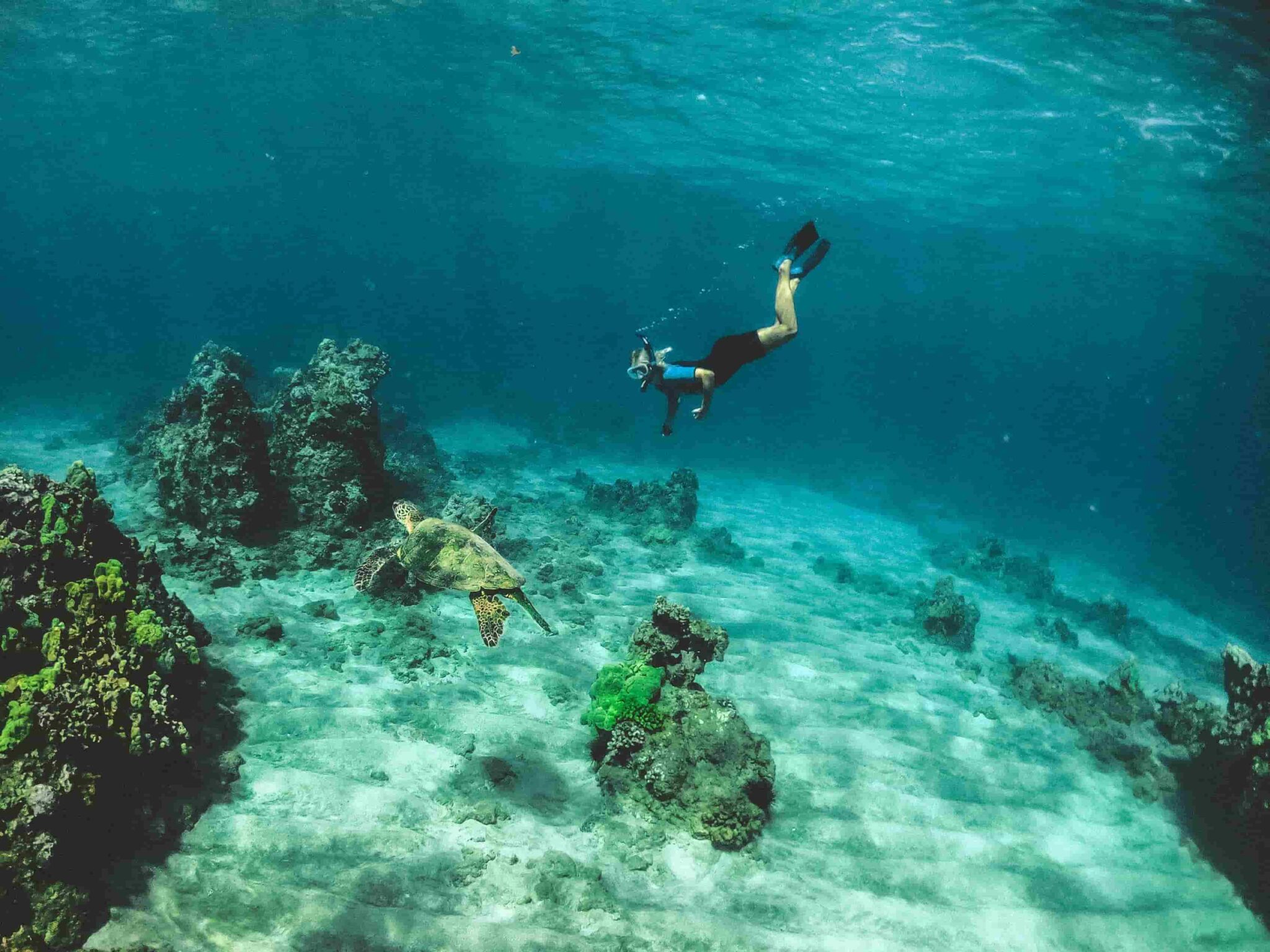
The water here is impossibly clear, ranging from turquoise to deep sapphire depending on the depth. You’ll swim among small fish and can snorkel along the rocks to spot octopus hiding in crevices. What makes Għar Lapsi special is its proximity to the ancient cart ruts—those enigmatic parallel grooves carved into the rock that archaeologists still debate about. Were they made by prehistoric carts? Part of a transport system for the nearby temples? Walk the site in the relative cool of morning, pondering these Bronze Age mysteries, then reward yourself with a swim and fresh fish at the waterfront restaurant.
Practical Tips: Għar Lapsi
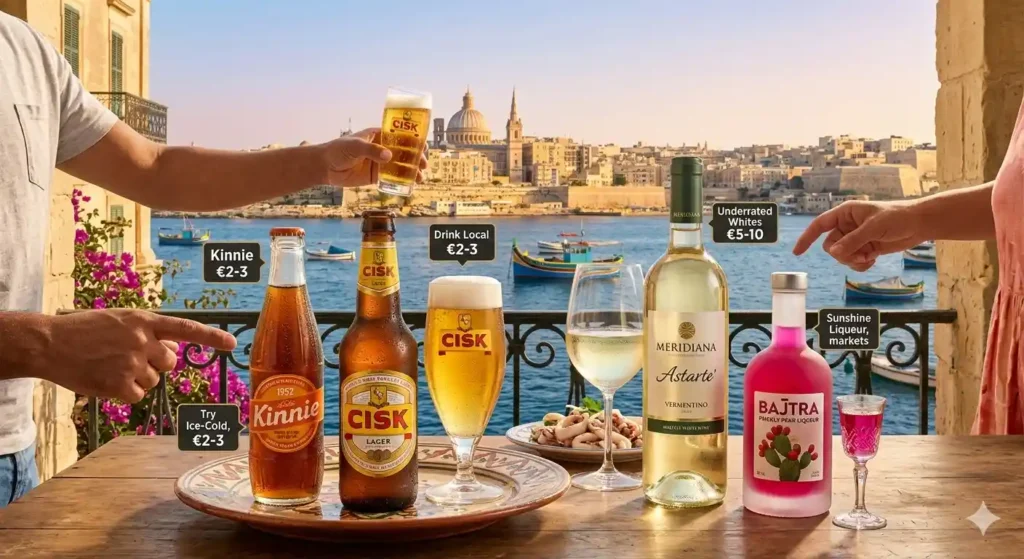
Għar Lapsi is about 20 minutes by car from Valletta. Limited parking is available (free), but it fills up by 11am on weekends. Arrive early or come after 4pm. The “beach” is entirely rocky, so water shoes like these quick dry aqua socks are essential. There’s a small restaurant serving excellent grilled fish and cold Cisk beer. No admission fee for the swimming area. The cart ruts site is always accessible and free.
Pro Tip: Bring snorkeling gear like this compact set—the underwater visibility here often exceeds 30 meters, and the rock formations continue below the surface in fascinating ways.
Golden Bay: Viking Raids and Sunset Swims
Golden Bay offers something rare in Malta—actual sand. This sweeping crescent of golden sand on the northwest coast is the island’s most accessible sandy beach, but few visitors know they’re swimming where Viking raiders once landed in 1000 CE during one of Malta’s most dramatic historical moments.
The beach sits below the village of Għajn Tuffieħ, and the surrounding cliffs still bear the scars of World War II fortifications. British pillboxes dot the headlands, silent reminders of when these waters were watched for Axis ships. The contrast is striking: children build sandcastles where medieval watchtowers once scanned for corsair sails, and sunbathers lounge where soldiers kept vigil during the island’s darkest hours.
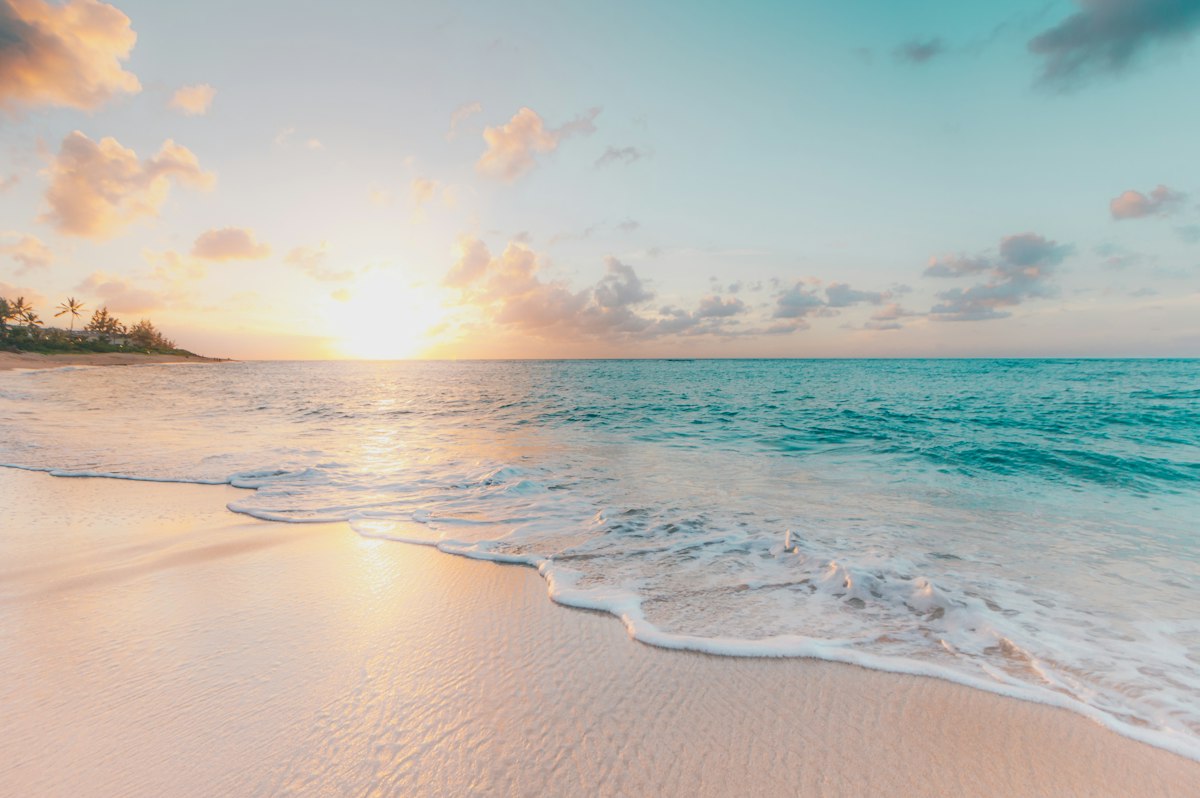
The swimming here is excellent, with gentle slopes perfect for families. The water takes on different personalities throughout the day—glassy and calm in the morning, playful with small waves by afternoon. Stay for sunset and you’ll understand why locals make the drive from Valletta. The sun drops into the Mediterranean, turning the water molten gold, while the cliffs glow amber.
Practical Tips: Golden Bay
Take bus 44 from Valletta (about 1 hour) or drive (30 minutes). Paid parking is available (€2.80 for the day). The beach has full facilities including sunbed rentals (€5-7), a snack bar, and toilets. Lifeguards are on duty during summer. Visit September or early October for warm water without the peak summer crowds. Access involves walking down a steep path—about 180 steps—so factor this in if you’re carrying beach gear.
Pro Tip: The adjacent Għajn Tuffieħ Bay, just over the headland, is quieter and more dramatic with reddish sand, but the hike down is steeper. Early morning at Golden Bay often means you’ll have the place nearly to yourself.
St. Peter’s Pool: Cliffside Drama Near Ancient Marsaxlokk
St. Peter’s Pool isn’t technically a pool at all—it’s a dramatic natural swimming spot where flat limestone shelves meet impossibly blue water. Located near the traditional fishing village of Marsaxlokk, where Phoenician traders established one of Malta’s first harbors 3,000 years ago, this spot feels like a secret even though locals have been diving here forever.
The approach involves a 15-minute walk along the coast from the parking area, passing through landscape that’s barely changed since the Knights of St. John fortified this coastline against Ottoman raids. The flat rock formations create perfect platforms for sunbathing and easy entry into water that drops away quickly into depths of 10-15 meters. The cliffs provide shelter from wind, making this an excellent choice even when other beaches are choppy.
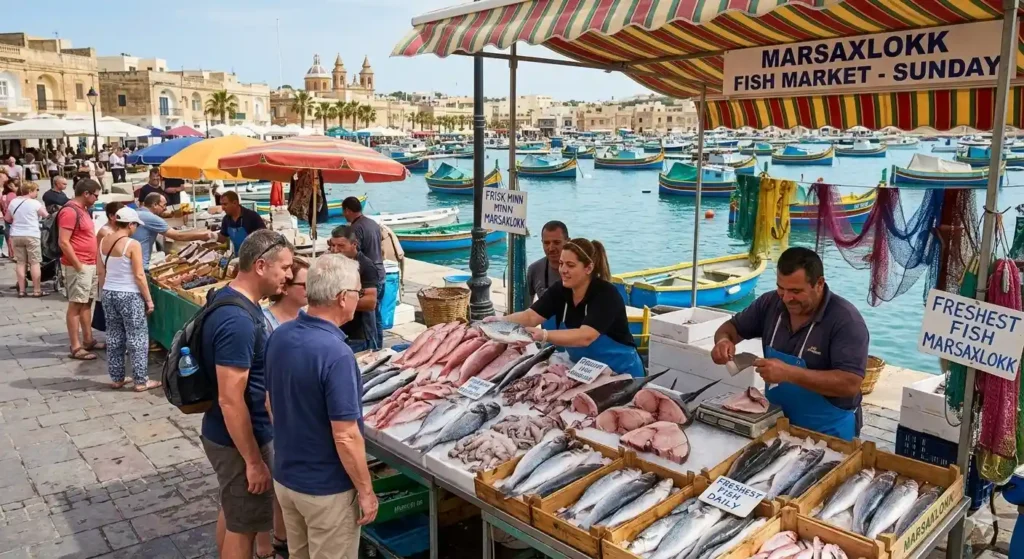
Swimming here feels primal. The rock beneath your feet is millions of years old, the same honey-colored limestone that built Valletta’s palaces. You’re floating in history—quite literally above where ancient merchant ships once anchored. After your swim, walk into Marsaxlokk for lunch at the Sunday fish market, where colorful luzzu boats bob in the harbor just as they have for centuries.
Practical Tips: St. Peter’s Pool
From Valletta, drive south toward Marsaxlokk (25 minutes) and follow signs to “Delimara” or “St. Peter’s Pool.” Parking is informal along the road. The walk to the swimming area is flat but exposed with no shade—bring sun protection, plenty of water, and wear proper shoes. There are absolutely no facilities here—no toilets, no vendors, nothing. Pack everything you need including snacks and drinks. Best visited May through October when the water is warm. Avoid windy days as waves can make entry difficult.
Pro Tip: Visit early morning or late afternoon to avoid the midday heat on the walk in. Bring a waterproof dry bag like this 10L floating model for your valuables—there’s nowhere to leave anything securely. Check the Marsaxlokk Sunday fish market schedule (mornings) to combine history, swimming, and the freshest seafood lunch imaginable.
Making It Work: Your Malta Beach and History Itinerary
Malta’s small size is your advantage—nothing is more than 45 minutes from Valletta. The key is timing your days to work with the Mediterranean sun and tourist patterns.
The Ideal Day: Start early at a historical site (the temples at Ħāġar Qim are stunning at 9am when light angles across the ancient stones). By noon, when the sun is intense and ruins are crowded, head to your chosen swimming spot. Spend the afternoon in the water, then explore a nearby town or fortress in the golden hour before sunset.
Transportation: Renting a car (from around €25-40 per day) gives you maximum flexibility, especially for spots like St. Peter’s Pool. Malta’s bus system is extensive and cheap (€2 for a 2-hour ticket, €21 for a week pass), but routes to beaches can be indirect and crowded in summer. Buses run frequently to Golden Bay and major beaches from Valletta’s central terminus.
Timing Your Visit: May, June, September, and October offer the sweet spot—warm water, manageable crowds, and temperatures perfect for both historical exploration and beach time. July and August are hot and crowded but have the warmest water. Winter swimming is possible for the brave (water temperatures around 15-16°C), and you’ll have historical sites almost to yourself.
Essential Beach Packing: Water shoes (rocky entries are the norm), reef-safe sunscreen like this mineral based SPF50 (Malta takes marine protection seriously), a packable wide-brimmed hat, insulated refillable water bottles, and snorkeling gear if you have it. A dry bag is invaluable for protecting your phone and valuables at beaches without facilities.
Malta’s genius lies in its compression of experience. In a single day, you can stand in a Neolithic temple, swim in waters where St. Paul supposedly shipwrecked, and watch the sunset from fortifications that held off the Ottoman Empire. The island asks you to move between millennia as easily as you move between sun and sea. That’s not just good travel—that’s transformation.
MALTA Beach essential Kit
Our Malta Beach Must Haves:
Based on dozens of beach visits across the island, here’s what we never leave without:
- Quick-dry water shoes – Essential for rocky entries
- Compact snorkel set – The visibility is too good to miss
- Waterproof dry bag (10L) – Protects valuables at facility-free beaches
- Reef-safe mineral sunscreen – Protects you and Malta’s marine life
- Insulated water bottle – Stays cold even in Mediterranean heat
- Packable sun hat – Shade for exposed coastal walks”
fAQ
1. What is the best time to visit Malta?
The ideal time is April to June or September to early November.
You get warm weather, clear seas, and smaller crowds compared to peak summer.
2. Is Malta expensive to visit?
Malta can be moderately priced.
- Budget travelers: €50–€70/day
- Mid-range: €80–€150/day
- Luxury stays and peak July–August visits increase costs.
3. Do I need a visa for Malta?
Malta is part of the Schengen Zone.
EU/EEA citizens can enter freely.
Many non-EU travelers (e.g., US, UK, Canada) can stay visa-free for 90 days.
Always check updated entry rules before you travel.
4. Is public transport good in Malta?
Yes — buses cover the entire island and are very affordable.
However, routes can be slow or crowded during peak season. Renting a car provides more flexibility, especially for beaches and lesser-known spots.
5. Which part of Malta is best to stay in?
- Valletta: Best for culture, history, walkability
- Sliema / St. Julian’s: Best for nightlife and modern amenities
- Mellieħa: Best for beaches and family trips
- Gozo: Best for nature lovers and peaceful stays
6. Are beaches in Malta sandy or rocky?
Malta has both.
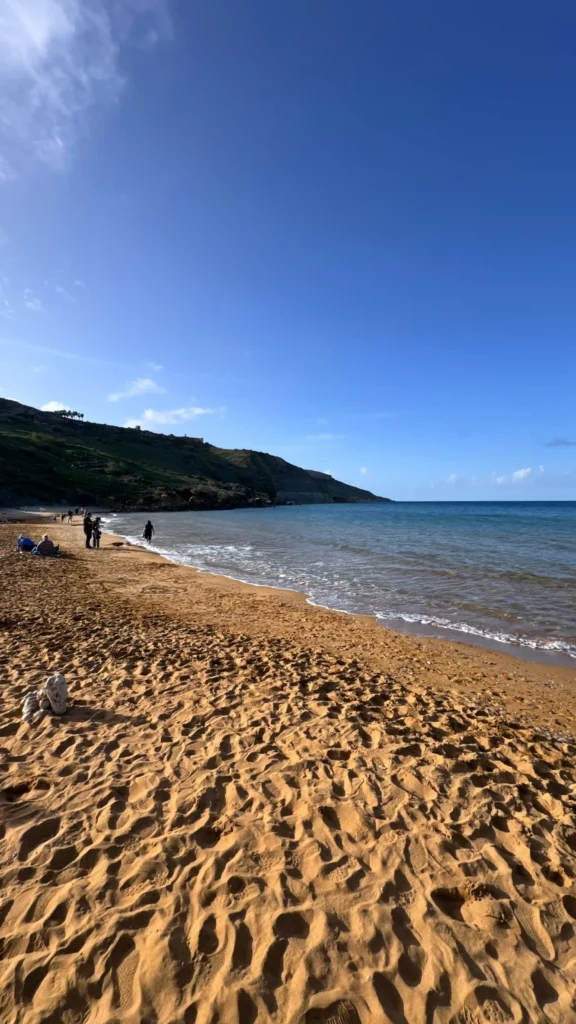
- Sandy beaches: Golden Bay, Mellieħa Bay, Ramla Bay (Gozo)
- Rocky/swimming coves: St. Peter’s Pool, Għar Lapsi, Sliema coastline
7. Is Malta safe for tourists?
Yes. Malta is considered one of the safest destinations in Europe.
Use normal travel precautions, especially at night and in busy tourist zones.
8. Can you swim in Malta year-round?
Swimming is possible May to November.
In winter, the sea is cooler but still clear, and many locals still dip in on warm days.
9. How many days do you need in Malta?
A good first trip needs 4–6 days.
This gives you enough time for beaches, history, day trips, and exploring Gozo.
“Europe is too expensive for budget travelers.”
I’ve heard this excuse a thousand times. From friends who dream of European adventures but never book the ticket. From people scrolling through Instagram, convinced that travel is only for the rich.
So I decided to prove them wrong.
I spent 3 weeks traveling through 5 European countries on a total budget of $800. That’s $38 per day. Less than many people spend on a single night out.
And no, I wasn’t miserable. I wasn’t sleeping on park benches or starving myself. I stayed in decent hostels, ate delicious local food, visited incredible sights, and had the time of my life.
Here’s exactly how I did it – with money-saving hack that made this trip possible.
The Route: 5 Countries, 21 Days, $800
My journey took me through Eastern Europe, a region that offers incredible value without sacrificing experience:
- Poland (Krakow) – 5 days
- Czech Republic (Prague) – 4 days
- Hungary (Budapest) – 5 days
- Romania (Bucharest & Brașov) – 4 days
- Bulgaria (Sofia) – 3 days
Why Eastern Europe? Simple: your money goes 2-3x further than Western Europe, the history is just as rich, the food is incredible, and the crowds are smaller. Plus, it’s still Europe – I’m talking Schengen zone, excellent infrastructure, and UNESCO World Heritage sites around every corner.
The Complete Budget Breakdown
Let me show you where every dollar went:
Flights: $180
This was my biggest single expense, but still incredibly reasonable for transatlantic travel.
What I did:
- Set up Google Flights price alerts 8 weeks before my ideal departure date
- Searched for flights to Eastern European cities (Warsaw, Krakow, Budapest, Prague)
- Found a roundtrip ticket to Krakow for $150
- Flew budget airlines (in my case, a combination of Ryanair connections)
- Booked on a Tuesday afternoon (prices tend to drop mid-week)
Pro tip: Flying into cities like Krakow, Warsaw, or Budapest is typically 50-60% cheaper than landing in Paris, London, or Rome. Eastern European airports are well-connected and modern – you’re not sacrificing quality.
Emergency fund: I kept an additional $100 on my credit card for absolute emergencies, but I didn’t need to touch it. This isn’t included in my $800 total.
Accommodation: $252 (21 nights = $12/night)
Yes, you read that right. Twelve dollars per night on average.
The breakdown by city:
- Krakow: $10/night × 5 nights = $50
- Prague: $15/night × 4 nights = $60
- Budapest: $12/night × 5 nights = $60
- Bucharest & Brașov: $8/night × 4 nights = $32
- Sofia: $10/night × 3 nights = $30
How I found these prices:
- Used Hostelworld exclusively and booked 2-3 weeks in advance
- Stayed in 8-12 bed dorm rooms (yes, I’m that person)
- Prioritized hostels with free breakfast – this was HUGE
- Read reviews carefully for cleanliness and safety
- Avoided booking during weekends when prices spike
What you get for $8-15/night:
- A bed with clean sheets and a locker
- Free WiFi
- Free breakfast (usually coffee, bread, cereal, eggs, fruit)
- Common areas to meet other travelers
- Kitchen facilities
- Often better locations than budget hotels
Real talk about dorm rooms: I know they’re not for everyone. But here’s what I learned – you’re barely in your room anyway. I was out exploring from 8am to 10pm most days. The hostel was just a place to sleep and shower. Plus, I met some of my favorite people in hostel common rooms at midnight, swapping travel stories.
If dorms really aren’t your thing, private rooms in these same hostels run $25-35/night, which would bring your accommodation budget to around $525-735 for the trip – still very doable.
Transportation: $95
I didn’t take a single flight between cities. Everything was buses and trains.
City-to-city transport:
- Krakow → Prague: FlixBus, $18 (5 hours overnight)
- Prague → Budapest: RegioJet train, $25 (7 hours, comfortable seats)
- Budapest → Bucharest: FlixBus, $22 (14 hours overnight – saved a night’s accommodation!)
- Bucharest → Brașov: Local train, $5 (2.5 hours through stunning scenery)
- Brașov → Sofia: Bus, $20 (7 hours)
Local transport in cities: ~$5 total
- I walked everywhere possible (averaged 15,000+ steps per day)
- Bought occasional tram/metro day passes when needed ($1-2)
- Old Town areas are super walkable in these cities
Money-saving transport hacks:
- Overnight buses save you a night of accommodation
- Book buses/trains at least 1 week in advance for best prices
- Use Rome2Rio to compare all transport options
- Regional trains are cheaper than high-speed ones
- Your feet are free – embrace walking
Food: $168 (21 days = $8/day)
This is where people think I suffered. I didn’t.
My daily food strategy:
- Breakfast: Free at every hostel (saved me $3-5/day = $63-105 total)
- Lunch: Grocery store picnics, street food, local bakeries ($3-5)
- Dinner: Restaurants away from tourist areas ($5-8)
- Snacks/drinks: Supermarket runs, occasional beer at local spots ($2-3)
Real meals I ate:
- Pierogi with sour cream in Krakow: $3.50
- Traditional goulash in Budapest: $4
- Kebab in Sofia: $2.50
- Trdelník (pastry) in Prague: $2
- Pizza margherita in Bucharest: $3
- Langos (Hungarian fried bread): $2
- Beer at local pubs: $1-2
The golden rule: Never eat within 100 meters of a main tourist square. Walk 5-10 minutes away and prices drop by 50-70%.
How I found cheap eats:
- Asked hostel staff for recommendations
- Followed locals to lunch spots during work hours
- Used Google Maps to find high-rated places with −- −$ pricing
- Hit up local markets (Naschmarkt in Budapest was incredible)
- Bought wine and cheese for evening picnics ($5 for both)
What I avoided:
- Sit-down breakfast/brunch spots ($10-15)
- Restaurants with menus in multiple languages near attractions
- Hotel restaurants
- Coffee chains (local cafes = $1.50 vs Starbucks = $5)
Activities & Sightseeing: $85
This might surprise you, but so much in Europe is FREE.
What I paid for:
- Museum entry fees: ~$30 total (discounts with student ID)
- Day trip to Auschwitz-Birkenau from Krakow: $15
- Széchenyi Thermal Baths in Budapest: $20 (worth every penny)
- Bran Castle (Dracula’s Castle) in Romania: $10
- Day trip to Rila Monastery from Sofia: $10
What was FREE:
- Free walking tours in every city (tipped $3-5 each to guides)
- Prague Castle grounds (free to walk around)
- Charles Bridge at sunrise
- Fisherman’s Bastion in Budapest
- All the Old Towns (Krakow, Prague, Sofia)
- Hiking in the Carpathian Mountains near Brașov
- Parliament building exteriors
- Street performances and festivals
- Church visits (most are free or $1-2 donation)
- Cemetery visits (Vyšehrad Cemetery in Prague is stunning)
The free walking tour hack: These tours are incredible value. You learn history, get oriented in the city, and discover hidden gems. I always tipped $5 per tour because the guides are working for tips, and it’s still way cheaper than paid tours.
Miscellaneous: $20
The little things that add up:
- European SIM card with 10GB data (bought in Poland): $15
- Public restroom fees (Europe charges for bathrooms): $3
- Laundry (did it once mid-trip): $2
Pre-Trip Planning: This Is Where the Magic Happens
Here’s the truth: budget travel isn’t about deprivation. It’s about smart planning.
8 Weeks Before Departure
- Set up Google Flights price alerts for flexible dates
- Researched Eastern vs Western Europe costs
- Joined budget travel Facebook groups
- Started following budget travel bloggers
6 Weeks Before
- Booked flights when I saw the $150 deal
- Roughly mapped out my route based on train/bus connections
- Calculated a realistic daily budget ($35-40/day)
3 Weeks Before
- Booked first and last hostels (left middle flexible)
- Got travel insurance through World Nomads ($45 – essential but not in my $800)
- Notified bank of travel dates
2 Weeks Before
- Booked remaining hostels
- Downloaded offline maps
- Created packing list (7kg only)
1 Week Before
- Bought SIM card online for pickup in Poland
- Researched free activities in each city
- Made list of local dishes to try
Day-by-Day Spending (Highlights)
Day 1-2 (Krakow): $76 spent
- Hostel: $20
- Food: $18 (pierogi heaven)
- Walking tour tip: $5
- Wawel Castle entry: $8
- Supermarket snacks: $5
- Local transport: $2
- Dinner + beer: $8
- Coffee: $2
- Kazimierz district exploration: FREE
- Ice cream: $2
- Museum entry: $6
Day 8 (Prague): $42 spent
- Hostel: $15
- Breakfast: FREE
- Charles Bridge walk: FREE
- Lunch (street food): $4
- Prague Castle grounds: FREE
- Dinner (Czech restaurant): $8
- Beer at local pub: $2
- Groceries for next day: $6
- Gelato: $3
- Old Town Square: FREE
- Tram day pass: $4
Day 14 (Budapest): $35 spent
- Hostel: $12
- Breakfast: FREE
- Thermal baths: $20
- Lunch picnic: $3
- Danube River walk: FREE
- Dinner: FREE (met travelers who shared their cooking)
- Metro ticket: $0 (walked everywhere)
Day 20 (Sofia): $29 spent
- Hostel: $10
- Breakfast: FREE
- Vitosha Mountain hike: FREE
- Lunch (banitsa pastry): $2
- Alexander Nevsky Cathedral: FREE
- Dinner (kebab): $3
- Beer: $1
- Groceries: $5
- Walking tour tip: $5
- Gelato: $2
- Evening walk: FREE
What I Didn’t Include (And Why)
o keep this challenge realistic and replicable, I didn’t include:
Travel insurance: $45 – This is NON-NEGOTIABLE. Always get insurance. I just didn’t count it in my $800 because it’s a separate category.
Pre-trip gear: I already owned a backpack, but if you need to buy travel gear, budget an extra $100-200.
Souvenirs: I bought postcards ($10 total) but kept this separate because it’s optional.
Visa fees: Many countries don’t require visas for short stays, but check your specific situation.
What I’d Do Differently
Things I’d keep the same:
- Eastern Europe route (incredible value)
- Hostel strategy with free breakfast
- Walking everywhere
- Free walking tours
- Overnight buses to save accommodation
Things I’d change:
- Spend an extra day in Brașov (Romania’s mountains were stunning)
- Skip Sofia and add more time in Budapest
- Bring a water bottle from home (bought one for $5)
- Book the thermal baths in advance (wasted an hour in line)
- Learn basic phrases in each language (it matters)
Frequently Asked Questions
VQ: Is the $800 realistic or did you suffer? A: 100% realistic. I ate well, slept safely, and had an incredible time. The only “sacrifice” was staying in dorm rooms, which honestly enhanced the experience.
Q: Can solo female travelers do this safely? A: Absolutely. I’m a solo female traveler (though I didn’t mention it until now because it shouldn’t matter). Eastern Europe is very safe. I always:
- Read hostel reviews from other women
- Chose female-only dorms when available
- Trusted my instincts
- Kept in touch with family daily
- Used common sense (don’t walk alone at 3am, watch your drink, etc.)
Q: What about travel insurance? A: GET IT. World Nomads cost me $45 for 3 weeks. Worth every penny for peace of mind. Not worth risking tens of thousands in medical bills.
Q: How did you manage with just a carry-on? A: Packing light is freedom. I did laundry once. Wore things multiple times. No one cares what you wear when traveling.
Q: Isn’t Eastern Europe “less beautiful” than Western Europe? A: This is a myth. Prague rivals Paris in beauty. Budapest’s architecture is stunning. The Carpathian Mountains are breathtaking. And you’ll see it all without fighting crowds.
Q: What if I want more comfort? A: Add $20-25/night for private rooms ($420-525 more = ~$1200-1300 total). Still incredibly affordable.
Q: How much did you spend on beer/alcohol? A: Maybe $20 total. Beer in Eastern Europe is $1-2. I enjoyed it without going overboard.
Q: Did you feel safe carrying cash? A: I used a money belt and kept most money in my hostel locker. Only carried what I needed daily.
The Tools That Made This Possible
For planning:
- Google Flights (price alerts)
- Hostelworld (accommodation)
- Rome2Rio (transport planning)
- Budget Your Trip (cost estimates)
For booking:
- Hostelworld
- FlixBus & RegioJet websites
- GetYourGuide (occasional tours)
While traveling:
- Google Maps (offline maps)
- XE Currency Converter
- Splitwise (sharing costs when meeting travelers)
- My budget spreadsheet (tracked everything)
Copy My Itinerary: Your Turn
Ready to do this yourself? Here’s your action plan:
8 weeks before: Set up flight alerts, research routes
6 weeks before: Book flights when you see a deal under $200
3 weeks before: Map your route, calculate daily budget
2 weeks before: Book hostels with free breakfast
1 week before: Research free activities, download maps
During trip: Track spending daily, adjust as needed
The Real Cost of “I Can’t Afford to Travel”
Here’s what $800 really is:
- 3 months of daily coffee shop visits
- 2 months of food delivery orders
- 6 months of unused gym memberships
- 1 month of going out on weekends
I’m not saying don’t enjoy these things. I’m saying travel is more accessible than you think.
The question isn’t “Can I afford it?”
It’s “What am I willing to prioritize?”
Final Thoughts: Europe Is Waiting
I spent $800 and got:
- 21 days of freedom
- 5 countries explored
- Dozens of new friends from around the world
- Memories that will last forever
- Proof that budget travel isn’t just possible – it’s incredible
The travelers who say “Europe is too expensive” are the same ones spending $50 on dinner without thinking twice. The difference is mindset.
You don’t need to be rich to see the world. You need to be intentional.
Start small. Set up those flight alerts. Save $40/week for the next 5 months. Book the ticket.
Europe is waiting. And it costs less than you think.
Want more budget travel tips? Subscribe to my newsletter for weekly money-saving hacks, destination guides, and packing lists. I’m sharing my 7kg packing list next week – everything I brought for 3 weeks in one carry-on.
Questions about the trip? Drop them in the comments below! I respond to everyone.
Ready to book? Use my affiliate links (at no extra cost to you) and you’ll help me keep this blog running:
- [Trip] – Find cheap flights and hostels to Eastern Europe
- [Visitors Coverage] – Get travel insurance
- [SIM Card] – Airalo world’s first e-sim card
Hidden Romantic Destinations for Couples in 2025
Are you and your partner craving a dreamy escape that combines adventure, connection, and just the right amount of mystery? The world is overflowing with iconic romantic getaways, but what if you could find a place so special—and so unknown—that it feels like your own secret paradise? In 2025, skip the usual crowds in Paris or Bora Bora, and set your sights on these handpicked hidden gems where romance flourishes and unforgettable memories are waiting to be made.
Why Seek Hidden Destinations?
We’re Pushpendu and Pamela, and after years of exploring the world together, our favorite moments always happen away from tourist hotspots. Secret beaches, cozy mountain villages, and wild natural wonders have given us the space to deepen our bond, share adventures, and connect with local cultures in the most authentic way. If you want to reignite your passion and create stories you’ll tell forever, these eight hidden romantic spots should top your 2025 bucket list
1. Faroe Islands – Nordic Romance Above the Clouds
Tucked between Iceland and Norway, the Faroe Islands offer dramatic landscapes that seem crafted for romance. With only 50,000 residents spread across 18 islands, couples can find solitude among grass-roof houses, cascading waterfalls, and rugged cliffs.
Why it’s perfect for couples:
- Private hot tubs overlooking the Atlantic Ocean
- Northern Lights viewing from cozy glass igloos
- Intimate village restaurants serving locally-caught seafood
- Hiking trails that lead to secluded viewpoints
Best time to visit: May through September for mild weather, or December through February for aurora viewing.
2. Socotra Island, Yemen – An Alien Paradise for Two
Often called the “Galápagos of the Indian Ocean,” Socotra Island is home to flora and fauna found nowhere else on Earth. The otherworldly landscape of Dragon’s Blood Trees and pristine beaches creates an incredibly unique romantic backdrop.
Romantic highlights:
- Private beach picnics on untouched white sand shores
- Stargazing under some of the world’s clearest skies
- Exploring ancient frankincense forests together
- Swimming in natural pools surrounded by endemic plants
Travel tip: Due to limited infrastructure, this destination is perfect for adventurous couples who enjoy eco-friendly accommodations.
3. Raja Ampat, Indonesia – Underwater Romance
Known as the “Four Kings,” Raja Ampat boasts the richest marine biodiversity on the planet. This remote archipelago offers couples the chance to share magical underwater experiences while enjoying luxury eco-resorts.
Couples’ activities:
- Private diving excursions to pristine coral reefs
- Sunset kayaking through mangrove forests
- Overwater bungalows with glass floor panels
- Traditional Papuan cultural experiences
Perfect for: Couples who love marine life and water activities.
4. Lofoten Islands, Norway – Arctic Romance
The Lofoten Islands combine dramatic peaks rising directly from the sea with charming fishing villages painted in bright colors. This Arctic paradise offers both summer midnight sun and winter Northern Lights.
Romantic experiences:
- Staying in traditional fishermen’s cabins (rorbuer)
- Midnight sun photography sessions
- Private Northern Lights tours with hot drinks
- Couples’ spa treatments using Arctic seaweed
Unique feature: The contrast between snow-capped mountains and pristine beaches creates stunning photo opportunities.
5. Fernando de Noronha, Brazil – Exclusive Island Paradise
This UNESCO World Heritage site limits visitors to just 460 people at a time, ensuring an exclusive experience. The island’s protected status has preserved its natural beauty and marine life.
Why couples love it:
- Daily visitor limits ensure privacy and tranquility
- World-class snorkeling and diving spots
- Romantic sunset viewpoints with panoramic ocean views
- Eco-luxury accommodations with personalized service
Best kept secret: Baía do Sancho, repeatedly voted the world’s best beach.
6. Azores, Portugal – Volcanic Romance
Nine volcanic islands in the middle of the Atlantic offer natural hot springs, crater lakes, and lush landscapes. The Azores provide European charm with exotic natural wonders.
Couples’ must-dos:
- Soaking in natural hot springs at Terra Nostra Park
- Wine tasting in volcanic soil vineyards
- Whale watching excursions
- Hiking to hidden waterfalls and crater lakes
Local tip: Try cozido das Furnas, a traditional stew cooked underground using volcanic heat.
7. Cook Islands – Polynesian Intimacy
While less crowded than Tahiti or Fiji, the Cook Islands offer authentic Polynesian culture with pristine lagoons and friendly locals. Rarotonga and Aitutaki provide the perfect blend of adventure and relaxation.
Romantic offerings:
- Private island picnics on uninhabited motus
- Traditional Polynesian wedding ceremonies
- Couples’ massage in beachfront bungalows
- Snorkeling in crystal-clear lagoons
Cultural bonus: Authentic island night markets and local festivals throughout the year.
8. Georgian Wine Country – Old World Romance
The Kakheti region of Georgia offers couples a chance to explore one of the world’s oldest wine-making traditions while staying in boutique vineyards surrounded by the Caucasus Mountains.
Romantic elements:
- Wine tastings in ancient underground cellars
- Couples’ cooking classes featuring Georgian cuisine
- Horseback riding through vineyard-covered hills
- Stay in traditional Georgian guesthouses with mountain views
Hidden gem: The ancient cave city of Vardzia offers a unique historical adventure.
Planning Your Hidden Romance
Best Booking Strategies:
- Book accommodations well in advance, especially for limited-access destinations.
- Consider shoulder seasons for better prices and fewer crowds.
- Look for packages that include unique experiences.
- Research local customs and etiquette.
What to Pack:
- Versatile clothing for various activities and climates
- Quality camera equipment for once-in-a-lifetime shots
- Waterproof gear for outdoor adventures
- Appropriate gear for specific activities (diving, hiking, etc.)
Budget Considerations:
- Remote destinations often have higher costs due to limited infrastructure.
- Factor in international flights and potential connecting flights
- Consider all-inclusive packages for better value
- Set aside budget for unique local experiences
Creating Lasting Memories
These hidden romantic destinations offer more than just beautiful backdrops—they provide opportunities for couples to disconnect from daily life and reconnect with each other. Whether you’re seeking adventure, relaxation, or cultural immersion, these lesser-known gems promise intimate experiences that will strengthen your bond and create stories you’ll share for years to come.
The key to a successful romantic getaway is choosing a destination that reflects your shared interests and relationship dynamic. Adventure-loving couples might thrive in Raja Ampat’s underwater world, while those seeking tranquility might prefer the serene beauty of the Faroe Islands.
Remember, the most romantic aspect of any destination is the time you spend together, away from the distractions of everyday life. These hidden gems simply provide the perfect stage for your love story to unfold.
Ready to plan your romantic escape? Start researching visa requirements and seasonal considerations for your chosen destination, and prepare for an unforgettable journey to one of the world’s best-kept romantic secrets.
For budget travel options be sure to refer to our article here.
New Zealand offers the perfect escape from scorching summers with its stunning winter landscapes and cool climate adventures. Discover why ‘coolcation’ travel to New Zealand is becoming increasingly popular among travelers seeking relief from heatwaves and looking for unique winter experiences.
From snow-capped mountains to cozy vineyards, New Zealand’s winter months (June to August) provide an ideal climate for those wanting to escape extreme heat while enjoying outdoor activities in comfortable temperatures.
Why Coolcation in New Zealand?
-
Winter Wonderland: New Zealand’s winter (June to August) transforms its landscapes into a picturesque wonderland, with snow-capped peaks, misty lakes, and lush forests.
-
Escape the Heatwaves: As many parts of the world swelter in extreme summer heat, New Zealand’s cool, temperate winters offer refreshing relief—perfect for those seeking to beat the heat.
-
Outdoor Adventures: The cool climate is ideal for outdoor activities such as skiing, snowboarding, glacier hiking, and scenic winter walks without the discomfort of heat and humidity.
-
Unique Experiences: From soaking in steaming hot springs to witnessing local Maori winter festivals, New Zealand provides encounters you won’t find elsewhere.
-
Fewer Crowds: Winter is less crowded than summer, allowing for a more peaceful, authentic experience across popular destinations.
-
Diverse Scenery: In a single trip, you can explore alpine villages, rolling vineyards, geothermal wonderlands, and wild coastlines—all with a crisp, refreshing atmosphere.
Top Cool Experiences
-
Skiing in Queenstown and Wanaka: World-class alpine resorts and winter festivals.
-
Glacier Hiking: Trek both Franz Josef and Fox Glaciers for a unique icy adventure.
-
Thermal Hot Pools: Soak in Rotorua’s geothermal pools surrounded by misty landscapes.
-
Wine Tasting: Sample crisp white wines in Central Otago’s scenic vineyards.
-
Wildlife Spotting: Look for penguins, seals, and whales along the southern coast.
-
Maori Winter Festivals: Immerse yourself in local culture through winter events and cuisine.
-
Glacier Hiking: Don’t forget sturdy waterproof hiking boots from Amazon and action cameras to capture the adventure!”
Best Time to Visit
-
June to August is the peak winter season—expect snow-capped vistas and cozy escapes.
-
Shoulder months (late May, September) are less crowded and still offer a cool climate.
-
Each region has its own microclimate; check conditions before planning.
Essential Tips
-
Pack layers and waterproof outerwear for unpredictable weather.
-
If you drive, prepare for icy or wet road conditions.
-
Book accommodations early in popular areas like Queenstown and Rotorua.
-
Respect local customs and preserve the pristine environment.
- Pay smart on your trip: We use Revolut to avoid bank fees and manage travel money—it’s our top pick for 2025!
Pack layers and waterproof outerwear for unpredictable weather. Check out these top-rated winter jackets on Amazon and travel-friendly thermal sets before you go!
Featured Destinations
-
Rotorua: Famous for geothermal spas, Maori culture, and mud pools.
-
Queenstown: The adventure capital—skiing, bungy, après-ski, and nightlife.
-
Wanaka: Quiet lakeside town with mountain vistas and scenic hikes.
-
Mount Cook: Stunning alpine scenery and star-gazing in Aoraki/Mount Cook National Park.
Coolcation FAQs
-
What’s the winter weather like? Cool, crisp, with snow in the South Island and milder temps in the North.
-
Is it safe to visit in winter? Yes, just follow weather advisories.
-
What are the foods to try? Lamb stew, seafood chowder, roasted kumara, and local wines.
-
Is New Zealand accessible? Yes, main towns have good infrastructure.
-
Is it affordable? Costs can be lower in the shoulder season; look for flight and activity deals.
Affiliate disclosure: This post contains affiliate links. If you sign up through my link, I may earn a commission at no extra cost to you.
Introduction
Travel costs add up fast—foreign transaction fees, bad exchange rates, ATM charges, and the hassle of managing multiple cards. Revolut streamlines all of that into one powerful app and card that’s purpose-built for travelers. After trying a range of travel cards and bank accounts, Revolut consistently delivers the best blend of exchange rates, fee transparency, and travel-friendly features.
Sign up here to get started with Revolut:
What Makes Revolut Ideal for Travel
Real exchange rates (no hidden markups)
Revolut uses interbank or close-to-interbank rates during market hours, which typically beat traditional banks and most debit/credit cards that add 2–3% markups. Example over a two-week trip to Singapore, this alone can save you a surprising amount.
Low or no foreign transaction fees
With Revolut, you avoid the typical 2–3% foreign transaction fee many banks charge. Even on the free plan, most travelers see immediate savings versus their home bank card.
Multi-currency accounts
Hold and exchange dozens of currencies in-app at excellent rates. Preload EUR, USD, or local currency before you fly, lock in a favorable rate, and spend like a local.
Smart ATM withdrawals
Take out cash abroad without paying your bank’s out-of-network or international penalties. Revolut offers monthly fee-free ATM allowances depending on your plan, and shows fees clearly if you go over.
Dynamic Currency Conversion (DCC) protection
If a terminal abroad asks “Pay in your home currency?”—always choose local currency. Revolut helps by sending instant spend notifications so you can spot bad DCC conversions and avoid them.
Virtual and disposable cards for safer bookings
Create single-use virtual cards for flights, hotels, and car rentals to reduce fraud risk. If a merchant is compromised, your main card stays safe.
Powerful budgeting and spend analytics
Get instant notifications, per-merchant tracking, and category budgets. Perfect for keeping your trip on budget without spreadsheets.
Travel perks on paid plans
Upgrading unlocks higher fee-free ATM limits, better FX allowances, and premium benefits like overseas medical insurance, lounge access with SmartDelay, and priority support—great value if you travel often.
International transfers made easy
Send money to friends or pay local providers in their currency at sharp rates. No need for clunky bank transfers that take days and add mystery fees.
Cards that just work globally
Apple Pay/Google Pay support, contactless everywhere, and wide acceptance make Revolut reliable at restaurants, transport kiosks, and small shops.
Common Travel Scenarios Where Revolut Shines
City breaks and weekend trips
Tap-and-go transit, café payments, and small merchants with no extra fees. The real-time spend alerts help you keep tabs on costs.
Backpacking or multi-country tours
Hold multiple currencies, swap at competitive rates, and withdraw cash when needed. The app’s security controls let you freeze/unfreeze the card instantly.
Longer stays and digital nomad life
Get paid or pay local rent in the right currency, avoid wire fees, and keep track of spending across categories. Virtual cards are perfect for recurring subscriptions.
Group trips and expense splitting
Use Revolut to split bills instantly—no complex math or awkward follow-ups.
How Revolut Compares to Traditional Banks
- Lower total cost: No 2–3% foreign transaction fee, better FX rates, and clear ATM allowances.
- Faster and clearer: Instant notifications, in-app controls, live exchange, and budgeting analytics.
- Safer online: Virtual/disposable cards greatly reduce fraud risk on travel bookings.
Tips to Maximize Savings with Revolut
- Always pay in local currency to dodge DCC markups.
- Exchange on weekdays during market hours for the best rates.
- Withdraw cash in fewer, larger amounts within your plan’s fee-free allowance.
- Use virtual cards for flights and hotels, and keep your physical card for in-person spending.
- Consider a paid plan if you travel often; the extra FX and ATM allowances can pay for themselves.
- Enable security features: location-based security, freeze on tap, and spending limits.
Is the Free Plan Enough?
For occasional travelers, yes. You get excellent FX rates, fee transparency, basic ATM withdrawals, and the core budgeting features. If you travel several times a year or need higher allowances, premium plans add meaningful value—especially for insurance and ATM limits.
Get Started with Revolut
It takes minutes to sign up, verify, and add your physical or virtual card to your phone wallet. You’ll be ready to spend abroad at excellent rates with instant spend alerts and better security.
Join Revolut here:
FAQ
Does Revolut charge foreign transaction fees?
Revolut doesn’t add the typical 2–3% foreign transaction fee most banks do. FX and ATM allowances vary by plan; the app shows any fees upfront.
Are weekend FX markups a thing?
Some plans apply a small markup outside market hours to account for rate fluctuations. Exchanging on weekdays usually gets you the best price.
Will Revolut work everywhere?
It’s widely accepted wherever Mastercard/Visa are supported. Still carry a backup card just in case a terminal is offline.
Is it safe to use abroad?
Yes—instant notifications, freeze/unfreeze, location-based security, and virtual cards give you multiple layers of protection.
Family vacations don’t have to break the bank. With the right tricks, you can travel further, stay longer, and make priceless memories — all while keeping your wallet happy. Here’s the ultimate list of 100 budget travel tips for families, grouped into easy sections so you can find exactly what you need.
Flights (Tips 1–15)
- Use flight comparison sites like Skyscanner or Kayak
- Sign up for free flight deal alerts .
- Be flexible with your dates — midweek flights are often cheaper.
- Fly budget airlines, but read the baggage fine print.
- Book early for peak seasons — last-minute can be risky for families.
- Check nearby airports for cheaper fares.
- Mix and match airlines on round trips.
- Set fare alerts for multiple destinations.
- Travel during off-peak months.
- Use frequent flyer points to offset costs.
- Avoid paying for seat selection if you can sit together for free at check-in.
- Book flights + hotels as a package
- Compare “kids fly free” promotions.
- Consider overnight flights to save on a night’s accommodation.
- Check baggage allowance before booking to avoid surprise fees.
Accommodation (Tips 16–30)
- Book family-friendly hotels with free breakfast.
- Use vacation rental platforms for kitchens and more space.
- Try home exchanges with other families.
- Camp in national parks for budget-friendly stays .
- Use hotel loyalty programs for free nights.
- Look for kids-stay-free promotions.
- Stay outside the city center and use public transport.
- Book longer stays for weekly rate discounts.
- Check hostel family rooms — many are private and affordable.
- Use deal sites for last-minute hotel bookings .
- Share accommodation with another family to split costs.
- Avoid resorts with compulsory meal plans unless you’ll actually use them.
- Try farm stays for an affordable and educational experience.
- Book hotels with free parking to save on city fees.
- Use cashback sites when booking hotels .
Food & Eating Out (Tips 31–40)
- Pack snacks for flights and road trips .
- Book hotels with breakfast included.
- Shop at local markets for fresh, cheap meals.
- Cook simple meals in your accommodation.
- Eat your main meal at lunch — it’s often cheaper.
- Take reusable water bottles .
- Use food apps for discounts .
- Share large portions at restaurants.
- Try street food for authentic, low-cost dining.
- Bring a picnic to parks and attractions.
Activities & Attractions (Tips 41–55)
- Visit free museums and galleries.
- Use city passes for bundled attraction discounts .
- Join free walking tours — tip what you can.
- Look for free family festivals.
- Visit attractions on free admission days.
- Book tours online in advance for discounts.
- Use loyalty points for attraction tickets.
- Plan beach days — nature is free!
- Download free kids’ activity trails for museums.
- Choose multi-attraction tickets .
- Check Groupon for local activity deals .
- Borrow sports gear instead of renting.
- Bring your own picnic to avoid overpriced attraction food.
- Spend time in public playgrounds and parks.
- Explore local libraries for free events.
Packing & Gear (Tips 56–70)
- Use packing cubes for organization .
- Pack versatile clothing that mixes and matches.
- Bring a travel stroller .
- Carry a portable power bank .
- Use a lightweight backpack for day trips .
- Pack reusable shopping bags.
- Bring travel-size laundry detergent for sink washes.
- Invest in leak-proof lunch boxes.
- Take travel games for kids .
- Pack foldable water bottles.
- Bring a first aid kit.
- Carry snacks to avoid impulse buys.
- Use compression bags for bulky clothes.
- Bring earplugs and sleep masks.
- Get travel insurance.
Transportation at Destination (Tips 71–85)
- Use public transport passes .
- Walk whenever possible.
- Rent a car for countryside trips.
- Share taxis or rides with other travelers.
- Use bike rentals for short distances.
- Check if kids travel free on public transport.
- Book train tickets in advance.
- Look for family rail passes.
- Take overnight trains or buses to save on hotels.
- Consider budget bus services.
- Avoid airport taxis — use shuttle buses instead.
- Compare rideshare prices.
- Use map apps to avoid getting lost.
- Book airport transfers online
- Plan routes to avoid peak fares.
General Travel Tools & Hacks (Tips 86–100)
- Use a VPN for secure browsing . We recommend NORD VPN
- Download offline maps.
- Keep a digital copy of important documents.
- Use cashback and points apps.
Travel with a refillable water filter bottle.
- Use free Wi-Fi where available.
- Book activities through your hotel for discounts.
- Sign up for travel newsletters.
- Follow local tourism boards on social media.
- Avoid roaming charges — use local SIM cards.
- Download translation apps.
- Join online family travel groups for tips.
- Plan rest days to avoid overspending.
- Keep a daily budget tracker.
- Always compare prices before booking.
Conclusion
Traveling on a budget with your family doesn’t mean cutting back on fun — it just means being smart with your money. Start using these budget travel tips for families to stretch your vacation fund further and create unforgettable memories.
Ready for your next trip? Discover top-rated family experiences with [GetYourGuide destination activities] for affordable adventures.
For such informative articles be sure to read our other blog post here.
Solo travel has evolved from a niche pursuit to a mainstream movement, with millions of travelers worldwide choosing to explore destinations on their own terms. Whether you’re seeking personal growth, cultural immersion, or simply the freedom to follow your own itinerary, solo travel offers unparalleled opportunities for self-discovery and adventure. The key to a successful solo journey lies in choosing the right destination—one that balances safety, accessibility, and enriching experiences.
Why Solo Travel is More Popular Than Ever
The solo travel trend has exploded in recent years, driven by changing social attitudes, increased connectivity, and a growing desire for authentic experiences. Solo travelers report higher levels of personal satisfaction, increased confidence, and deeper cultural connections compared to group travel. Without the need to compromise on activities or accommodate others’ preferences, solo adventurers can fully immerse themselves in destinations that truly resonate with their interests.
Modern technology has also made solo travel more accessible and safer than ever before. From translation apps to real-time navigation and instant communication with loved ones back home, today’s solo travelers are better equipped to navigate unfamiliar territories with confidence.
Top Solo Travel Destinations Around the World
Japan: The Perfect Blend of Safety and Wonder
Japan consistently ranks as one of the world’s safest countries, making it an ideal destination for first-time solo travelers. The country’s efficient public transportation system, particularly the extensive rail network, makes getting around incredibly easy even with minimal Japanese language skills. Cities like Tokyo and Kyoto offer endless exploration opportunities, from ancient temples and bustling markets to cutting-edge technology districts and serene gardens.
Japanese culture’s emphasis on respect and politeness creates a welcoming environment for solo travelers. The country’s unique concept of “omotenashi” (hospitality) ensures that visitors feel cared for, while the prevalence of capsule hotels and ryokans (traditional inns) provides affordable and culturally immersive accommodation options specifically designed for individual travelers.
New Zealand: Adventure Capital for Solo Explorers
New Zealand’s stunning landscapes and adventure-focused tourism industry make it a paradise for solo travelers seeking both natural beauty and adrenaline-pumping activities. The country’s compact size and well-developed tourism infrastructure allow solo travelers to easily navigate between the North and South Islands, experiencing everything from glowworm caves and geothermal wonders to fjords and snow-capped mountains.
The backpacker culture in New Zealand is particularly welcoming to solo travelers, with numerous hostels, tour groups, and activity providers specifically catering to individual adventurers. Cities like Auckland, Wellington, and Queenstown offer vibrant social scenes where solo travelers can easily connect with fellow explorers from around the world.
Iceland: Solitude Meets Spectacular Scenery
Iceland’s otherworldly landscapes provide the perfect backdrop for introspective solo travel experiences. The country’s small population and emphasis on outdoor exploration create an environment where solo travelers can find both solitude and safety. The famous Ring Road allows independent travelers to circumnavigate the island at their own pace, discovering hidden waterfalls, black sand beaches, and the mesmerizing Northern Lights.
Iceland’s high standard of living and excellent infrastructure ensure that solo travelers have access to reliable accommodation, transportation, and communication services even in remote areas. The country’s strong English proficiency and tourist-friendly culture make it accessible to international solo travelers.
Singapore: Urban Sophistication Made Simple
Singapore serves as an excellent introduction to solo travel in Asia, combining the excitement of a major metropolitan area with user-friendly systems and exceptional safety standards. The city-state’s compact size means that solo travelers can easily explore diverse neighborhoods, from the historic streets of Chinatown to the futuristic Gardens by the Bay, all within a single day.
The country’s multicultural population and status as a global business hub create a cosmopolitan atmosphere where solo travelers can enjoy world-class dining, shopping, and cultural experiences. Singapore’s efficient public transportation system and widespread English usage remove common barriers that might intimidate solo travelers in other Asian destinations.
Canada: Vast Wilderness and Friendly Communities
Canada’s reputation for friendliness extends far beyond stereotype, creating an genuinely welcoming environment for solo travelers. The country’s vast wilderness areas, from the Rocky Mountains to the Maritime provinces, offer countless opportunities for solo adventurers to connect with nature while maintaining access to modern amenities and safety networks.
Cities like Vancouver, Toronto, and Montreal provide sophisticated urban experiences with thriving arts scenes, diverse culinary offerings, and numerous festivals throughout the year. Canada’s excellent healthcare system and political stability provide additional peace of mind for solo travelers, particularly those planning extended stays or remote wilderness adventures.
Essential Tips for Safe and Enjoyable Solo Travel
Research and Planning
Thorough research forms the foundation of successful solo travel. Understanding local customs, laws, and cultural norms helps solo travelers avoid misunderstandings and demonstrates respect for their host destinations. Researching accommodation options, transportation systems, and must-see attractions in advance allows solo travelers to make informed decisions while maintaining flexibility for spontaneous discoveries.
Creating a flexible itinerary that includes both planned activities and free time for unexpected opportunities strikes the perfect balance between structure and spontaneity. Solo travelers should also research local emergency services, healthcare facilities, and embassy locations as part of their preparation process.
Safety Considerations
While solo travel is generally safe when proper precautions are taken, certain safety measures become even more important when traveling alone. Sharing itineraries with trusted contacts, maintaining regular communication with family and friends, and keeping digital copies of important documents in cloud storage provide essential safety nets for solo travelers.
Trusting instincts becomes crucial when traveling alone, as solo travelers must rely on their own judgment to assess situations and make decisions. Learning to read local social cues and understanding when to be cautious versus when to embrace new experiences is a skill that develops with solo travel experience.
Building Connections
Solo travel doesn’t mean traveling in isolation. Many solo travelers report that traveling alone actually makes them more approachable and likely to form meaningful connections with locals and fellow travelers. Staying in hostels, joining group tours for specific activities, and participating in local classes or workshops provide natural opportunities for social interaction.
Digital platforms and apps designed for travelers can help solo adventurers connect with like-minded individuals or find travel companions for specific activities. However, the ability to be comfortable with one’s own company remains an essential skill for solo travelers.
Making the Most of Your Solo Adventure
Solo travel offers unique advantages that group travel simply cannot match. The freedom to change plans spontaneously, spend as much time as desired at personally meaningful locations, and pursue individual interests without compromise creates deeply personal travel experiences. Solo travelers often report increased self-confidence, improved problem-solving skills, and a better understanding of their own preferences and capabilities.
The introspective nature of solo travel can lead to significant personal growth and self-discovery. Without the social dynamics of group travel, solo adventurers often find themselves more open to new experiences and more likely to step outside their comfort zones.
Conclusion
Solo travel represents one of the most rewarding ways to explore the world, offering unparalleled opportunities for personal growth, cultural immersion, and adventure. The destinations highlighted here provide excellent starting points for solo travelers, each offering unique advantages in terms of safety, accessibility, and memorable experiences.
Whether you’re drawn to Japan’s cultural richness, New Zealand’s natural adventures, Iceland’s dramatic landscapes, Singapore’s urban sophistication, or Canada’s friendly wilderness, the key to successful solo travel lies in choosing destinations that align with your interests and comfort level. With proper preparation, an open mind, and a spirit of adventure, solo travel can become not just a way to see the world, but a transformative journey of self-discovery.
The world is full of incredible destinations waiting to be explored, and there’s no better way to discover them than on your own terms. Your solo adventure awaits—where will you go first?
Archives
Discover practical budget tips, solo travel inspiration, and family-friendly itineraries across the UK, Europe, and beyond. Explore our featured guides or filter by category to find exactly what you need.