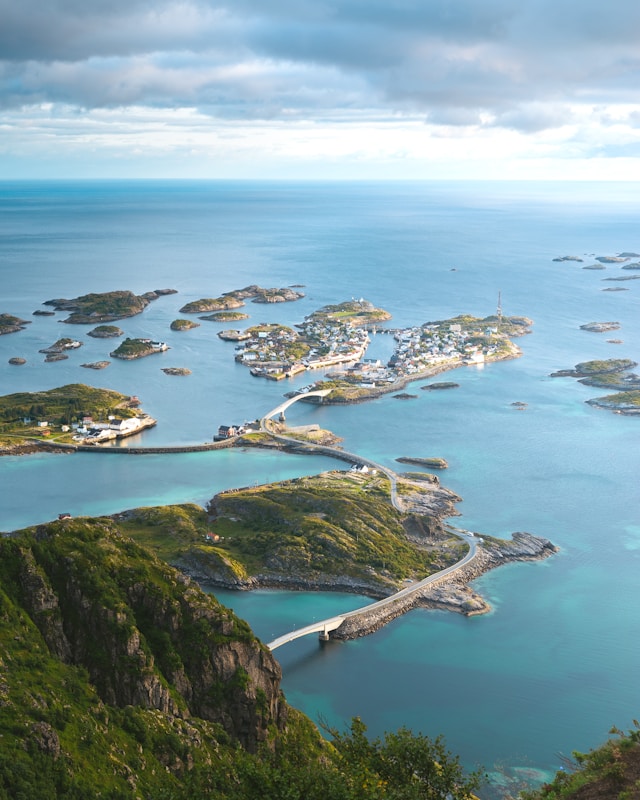
Hidden Romantic Destinations for Couples in 2026
Are you and your partner craving a dreamy escape that combines adventure, connection, and just the right amount of mystery? The world is overflowing with iconic romantic getaways, but what if you could find a place so special—and so unknown—that it feels like your own secret paradise? In 2025, skip the usual crowds in Paris or Bora Bora, and set your sights on these handpicked hidden gems where romance flourishes and unforgettable memories are waiting to be made.
Why Seek Hidden Destinations?
We’re Pushpendu and Pamela, and after years of exploring the world together, our favorite moments always happen away from tourist hotspots. Secret beaches, cozy mountain villages, and wild natural wonders have given us the space to deepen our bond, share adventures, and connect with local cultures in the most authentic way. If you want to reignite your passion and create stories you’ll tell forever, these eight hidden romantic spots should top your 2025 bucket list
1. Faroe Islands – Nordic Romance Above the Clouds
Tucked between Iceland and Norway, the Faroe Islands offer dramatic landscapes that seem crafted for romance. With only 50,000 residents spread across 18 islands, couples can find solitude among grass-roof houses, cascading waterfalls, and rugged cliffs.
Why it’s perfect for couples:
- Private hot tubs overlooking the Atlantic Ocean
- Northern Lights viewing from cozy glass igloos
- Intimate village restaurants serving locally-caught seafood
- Hiking trails that lead to secluded viewpoints
Best time to visit: May through September for mild weather, or December through February for aurora viewing.
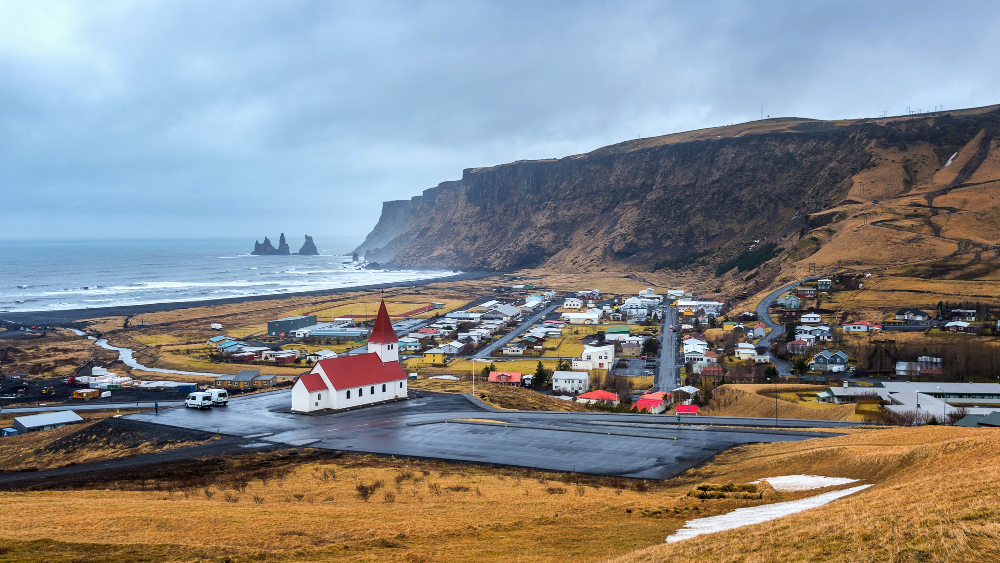
2. Socotra Island, Yemen – An Alien Paradise for Two
Often called the “Galápagos of the Indian Ocean,” Socotra Island is home to flora and fauna found nowhere else on Earth. The otherworldly landscape of Dragon’s Blood Trees and pristine beaches creates an incredibly unique romantic backdrop.
Romantic highlights:
- Private beach picnics on untouched white sand shores
- Stargazing under some of the world’s clearest skies
- Exploring ancient frankincense forests together
- Swimming in natural pools surrounded by endemic plants
Travel tip: Due to limited infrastructure, this destination is perfect for adventurous couples who enjoy eco-friendly accommodations.
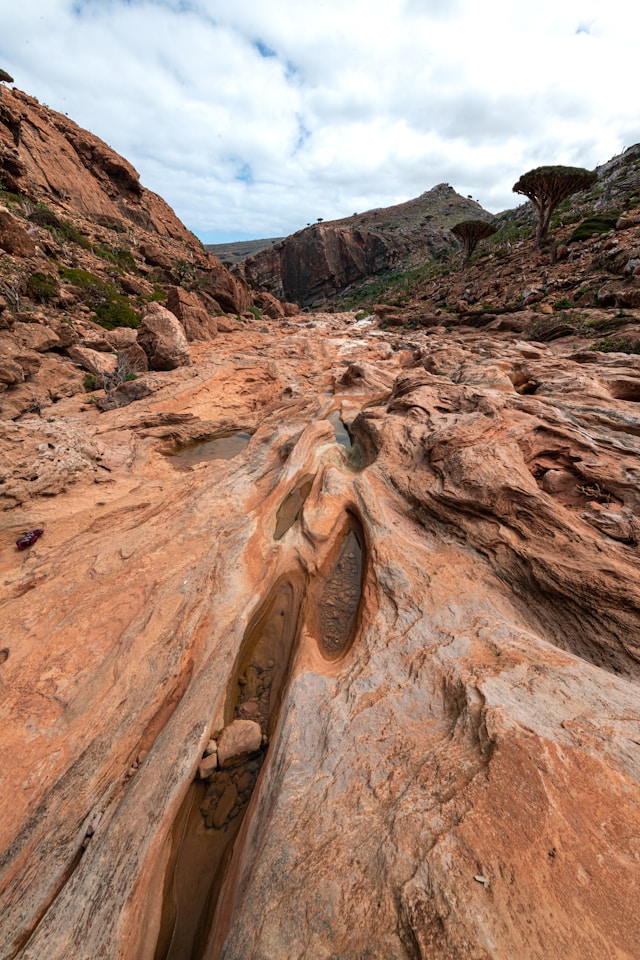
3. Raja Ampat, Indonesia – Underwater Romance
Known as the “Four Kings,” Raja Ampat boasts the richest marine biodiversity on the planet. This remote archipelago offers couples the chance to share magical underwater experiences while enjoying luxury eco-resorts.
Couples’ activities:
- Private diving excursions to pristine coral reefs
- Sunset kayaking through mangrove forests
- Overwater bungalows with glass floor panels
- Traditional Papuan cultural experiences
Perfect for: Couples who love marine life and water activities.
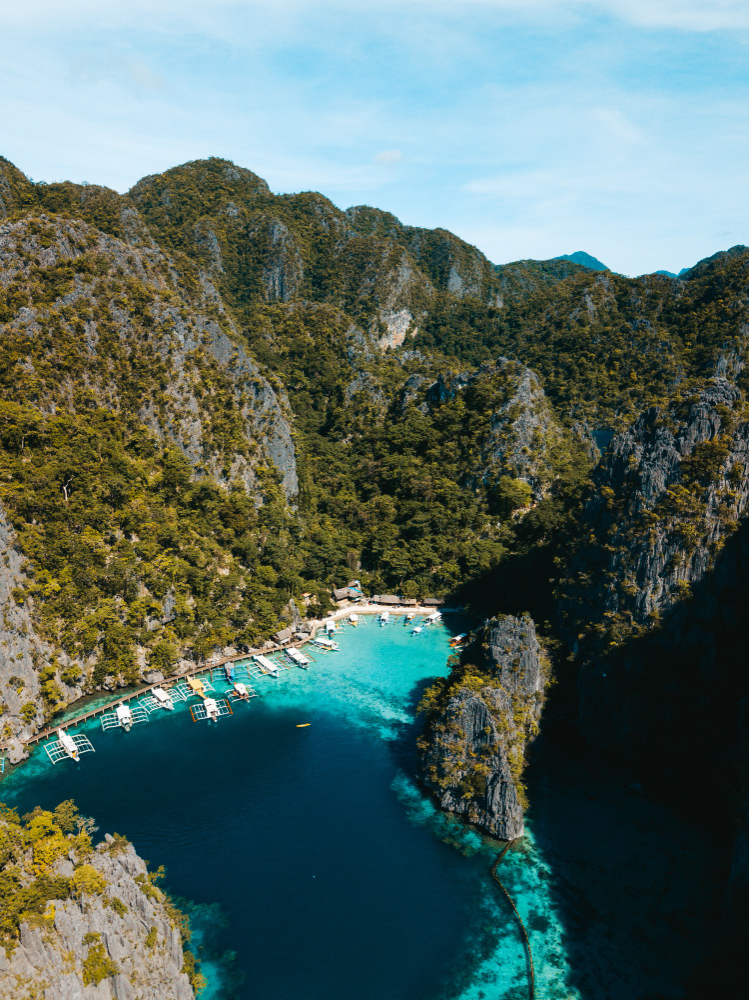
4. Lofoten Islands, Norway – Arctic Romance
The Lofoten Islands combine dramatic peaks rising directly from the sea with charming fishing villages painted in bright colors. This Arctic paradise offers both summer midnight sun and winter Northern Lights.
Romantic experiences:
- Staying in traditional fishermen’s cabins (rorbuer)
- Midnight sun photography sessions
- Private Northern Lights tours with hot drinks
- Couples’ spa treatments using Arctic seaweed
Unique feature: The contrast between snow-capped mountains and pristine beaches creates stunning photo opportunities.
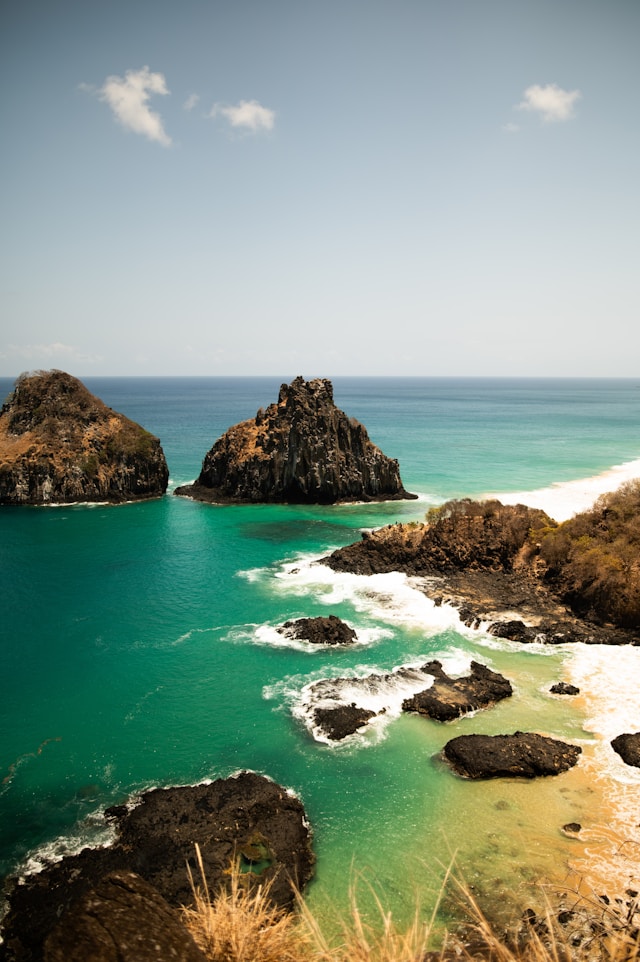
5. Fernando de Noronha, Brazil – Exclusive Island Paradise
This UNESCO World Heritage site limits visitors to just 460 people at a time, ensuring an exclusive experience. The island’s protected status has preserved its natural beauty and marine life.
Why couples love it:
- Daily visitor limits ensure privacy and tranquility
- World-class snorkeling and diving spots
- Romantic sunset viewpoints with panoramic ocean views
- Eco-luxury accommodations with personalized service
Best kept secret: Baía do Sancho, repeatedly voted the world’s best beach.
6. Azores, Portugal – Volcanic Romance
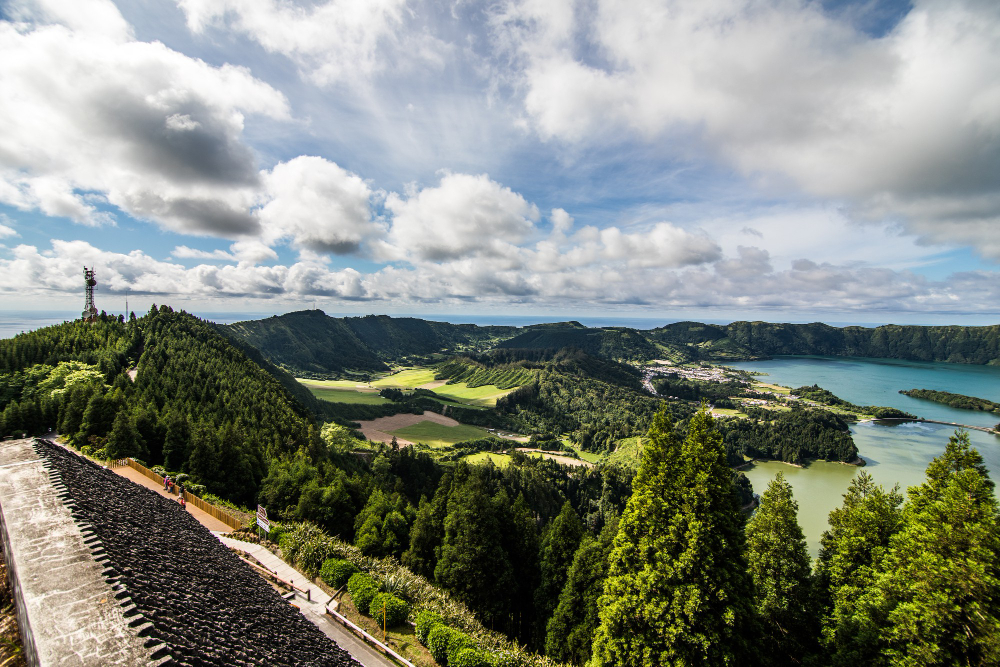
Nine volcanic islands in the middle of the Atlantic offer natural hot springs, crater lakes, and lush landscapes. The Azores provide European charm with exotic natural wonders.
Couples’ must-dos:
- Soaking in natural hot springs at Terra Nostra Park
- Wine tasting in volcanic soil vineyards
- Whale watching excursions
- Hiking to hidden waterfalls and crater lakes
Local tip: Try cozido das Furnas, a traditional stew cooked underground using volcanic heat.
7. Cook Islands – Polynesian Intimacy
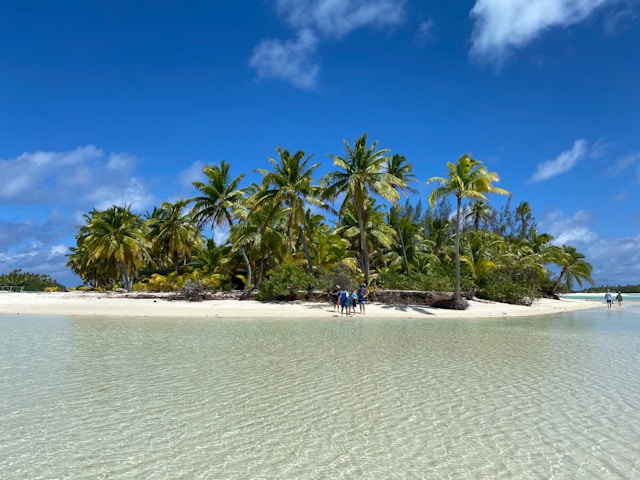
While less crowded than Tahiti or Fiji, the Cook Islands offer authentic Polynesian culture with pristine lagoons and friendly locals. Rarotonga and Aitutaki provide the perfect blend of adventure and relaxation.
Romantic offerings:
- Private island picnics on uninhabited motus
- Traditional Polynesian wedding ceremonies
- Couples’ massage in beachfront bungalows
- Snorkeling in crystal-clear lagoons
Cultural bonus: Authentic island night markets and local festivals throughout the year.
8. Georgian Wine Country – Old World Romance
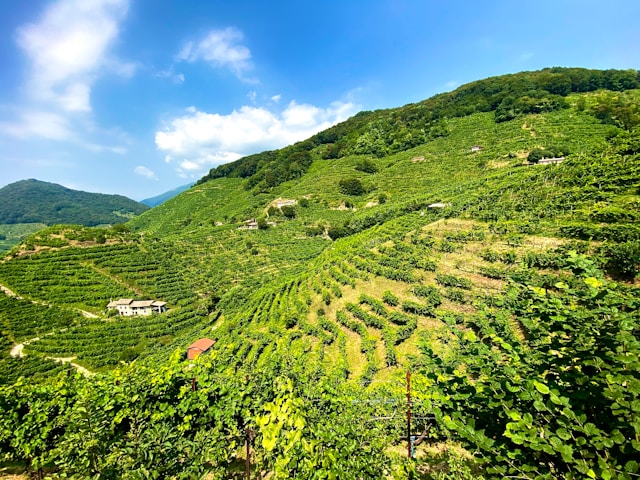
The Kakheti region of Georgia offers couples a chance to explore one of the world’s oldest wine-making traditions while staying in boutique vineyards surrounded by the Caucasus Mountains.
Romantic elements:
- Wine tastings in ancient underground cellars
- Couples’ cooking classes featuring Georgian cuisine
- Horseback riding through vineyard-covered hills
- Stay in traditional Georgian guesthouses with mountain views
Hidden gem: The ancient cave city of Vardzia offers a unique historical adventure.
Planning Your Hidden Romance
Best Booking Strategies:
- Book accommodations well in advance, especially for limited-access destinations.
- Consider shoulder seasons for better prices and fewer crowds.
- Look for packages that include unique experiences.
- Research local customs and etiquette.
What to Pack:
- Versatile clothing for various activities and climates
- Quality camera equipment for once-in-a-lifetime shots
- Waterproof gear for outdoor adventures
- Appropriate gear for specific activities (diving, hiking, etc.)
Budget Considerations:
- Remote destinations often have higher costs due to limited infrastructure.
- Factor in international flights and potential connecting flights
- Consider all-inclusive packages for better value
- Set aside budget for unique local experiences
Creating Lasting Memories
These hidden romantic destinations offer more than just beautiful backdrops—they provide opportunities for couples to disconnect from daily life and reconnect with each other. Whether you’re seeking adventure, relaxation, or cultural immersion, these lesser-known gems promise intimate experiences that will strengthen your bond and create stories you’ll share for years to come.
The key to a successful romantic getaway is choosing a destination that reflects your shared interests and relationship dynamic. Adventure-loving couples might thrive in Raja Ampat’s underwater world, while those seeking tranquility might prefer the serene beauty of the Faroe Islands.
Remember, the most romantic aspect of any destination is the time you spend together, away from the distractions of everyday life. These hidden gems simply provide the perfect stage for your love story to unfold.
Ready to plan your romantic escape? Start researching visa requirements and seasonal considerations for your chosen destination, and prepare for an unforgettable journey to one of the world’s best-kept romantic secrets.
For budget travel options be sure to refer to our article here.
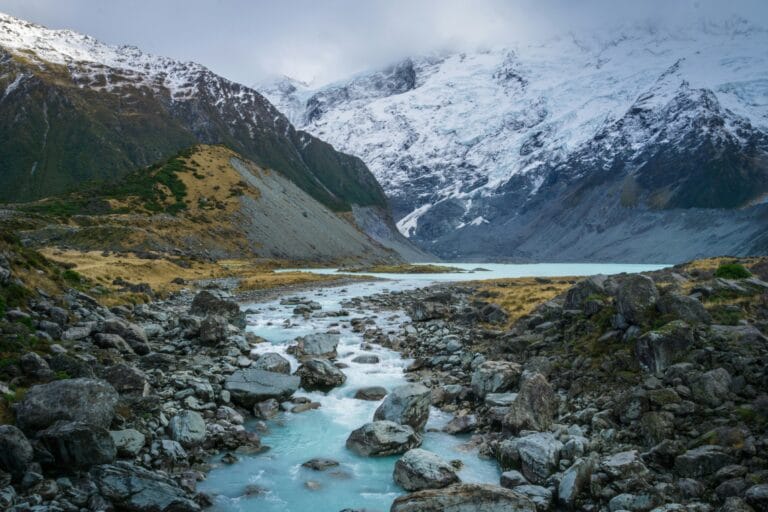
New Zealand offers the perfect escape from scorching summers with its stunning winter landscapes and cool climate adventures. Discover why ‘coolcation’ travel to New Zealand is becoming increasingly popular among travelers seeking relief from heatwaves and looking for unique winter experiences.
From snow-capped mountains to cozy vineyards, New Zealand’s winter months (June to August) provide an ideal climate for those wanting to escape extreme heat while enjoying outdoor activities in comfortable temperatures.
Why Coolcation in New Zealand?
-
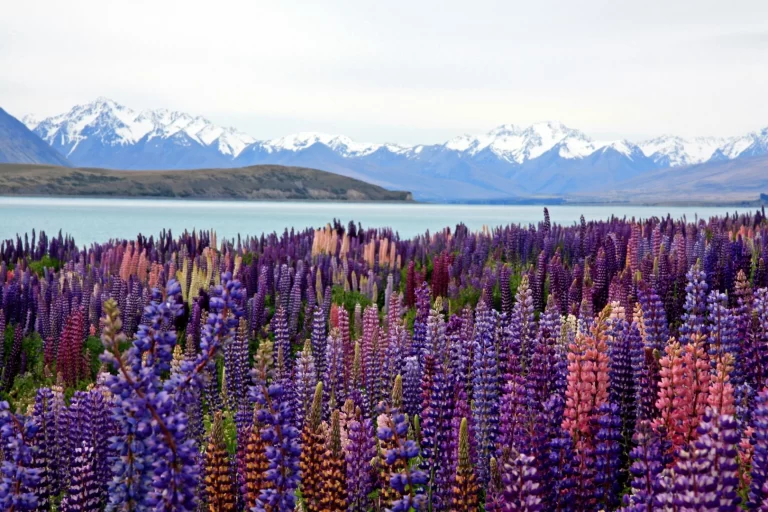
Winter Wonderland: New Zealand’s winter (June to August) transforms its landscapes into a picturesque wonderland, with snow-capped peaks, misty lakes, and lush forests.
-
Escape the Heatwaves: As many parts of the world swelter in extreme summer heat, New Zealand’s cool, temperate winters offer refreshing relief—perfect for those seeking to beat the heat.
-
Outdoor Adventures: The cool climate is ideal for outdoor activities such as skiing, snowboarding, glacier hiking, and scenic winter walks without the discomfort of heat and humidity.
-
Unique Experiences: From soaking in steaming hot springs to witnessing local Maori winter festivals, New Zealand provides encounters you won’t find elsewhere.
-
Fewer Crowds: Winter is less crowded than summer, allowing for a more peaceful, authentic experience across popular destinations.
-
Diverse Scenery: In a single trip, you can explore alpine villages, rolling vineyards, geothermal wonderlands, and wild coastlines—all with a crisp, refreshing atmosphere.
Top Cool Experiences
-
Skiing in Queenstown and Wanaka: World-class alpine resorts and winter festivals.
-
Glacier Hiking: Trek both Franz Josef and Fox Glaciers for a unique icy adventure.
-
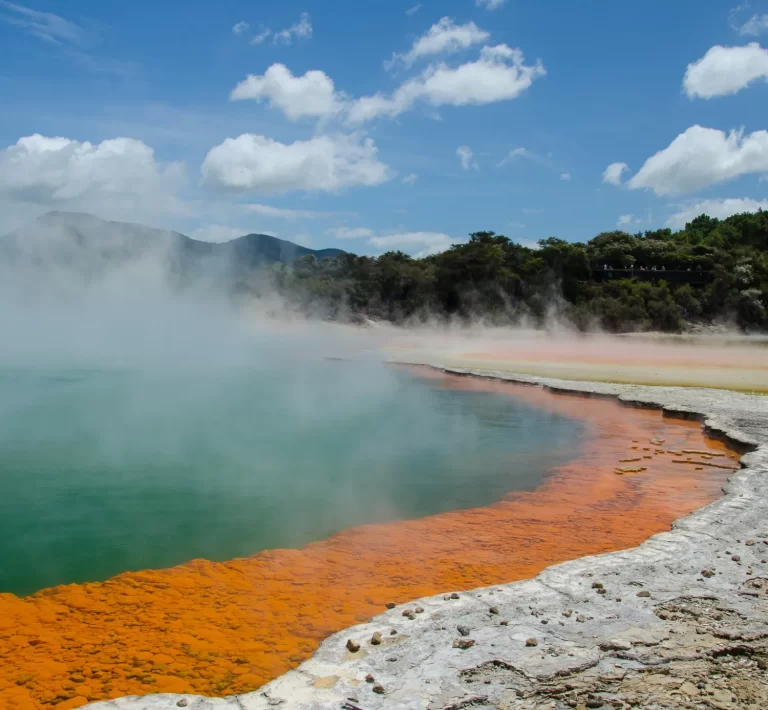
Thermal Hot Pools: Soak in Rotorua’s geothermal pools surrounded by misty landscapes.
-
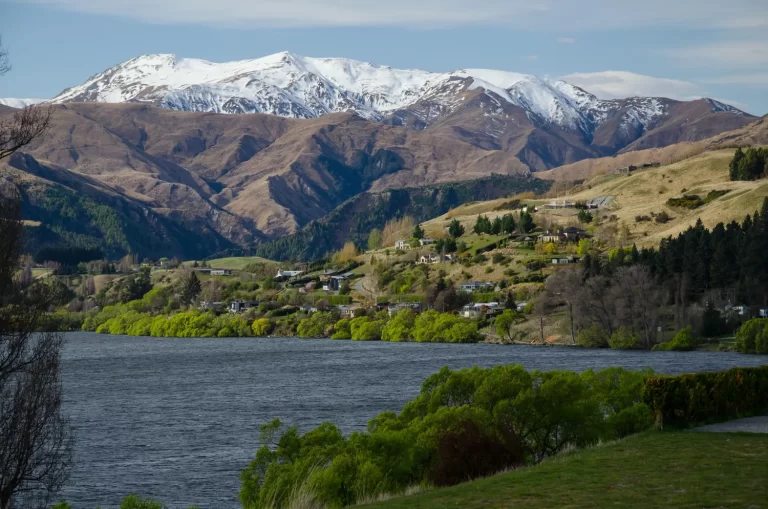
Wine Tasting: Sample crisp white wines in Central Otago’s scenic vineyards.
-
Wildlife Spotting: Look for penguins, seals, and whales along the southern coast.
-
Maori Winter Festivals: Immerse yourself in local culture through winter events and cuisine.
-
Glacier Hiking: Don’t forget sturdy waterproof hiking boots from Amazon and action cameras to capture the adventure!”
Best Time to Visit
-
June to August is the peak winter season—expect snow-capped vistas and cozy escapes.
-
Shoulder months (late May, September) are less crowded and still offer a cool climate.
-
Each region has its own microclimate; check conditions before planning.
Essential Tips
-
Pack layers and waterproof outerwear for unpredictable weather.
-
If you drive, prepare for icy or wet road conditions.
-
Book accommodations early in popular areas like Queenstown and Rotorua.
-
Respect local customs and preserve the pristine environment.
- Pay smart on your trip: We use Revolut to avoid bank fees and manage travel money—it’s our top pick for 2025!
Pack layers and waterproof outerwear for unpredictable weather. Check out these top-rated winter jackets on Amazon and travel-friendly thermal sets before you go!
Featured Destinations
-
Rotorua: Famous for geothermal spas, Maori culture, and mud pools.
-
Queenstown: The adventure capital—skiing, bungy, après-ski, and nightlife.
-
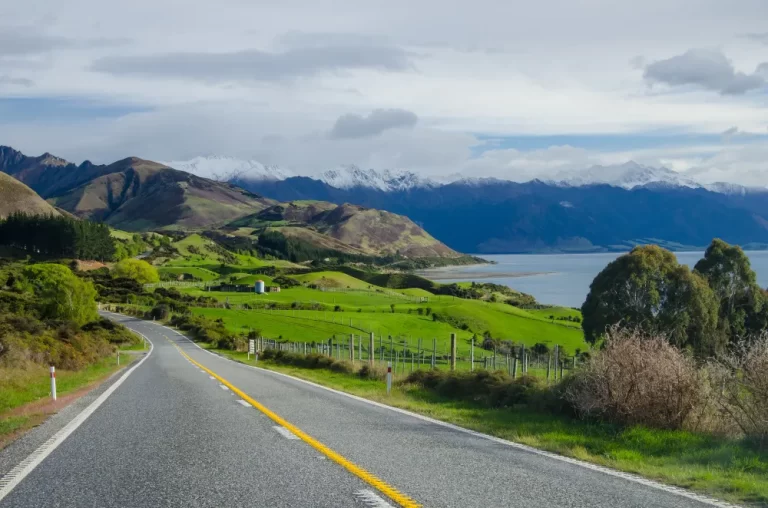
Wanaka: Quiet lakeside town with mountain vistas and scenic hikes.
-
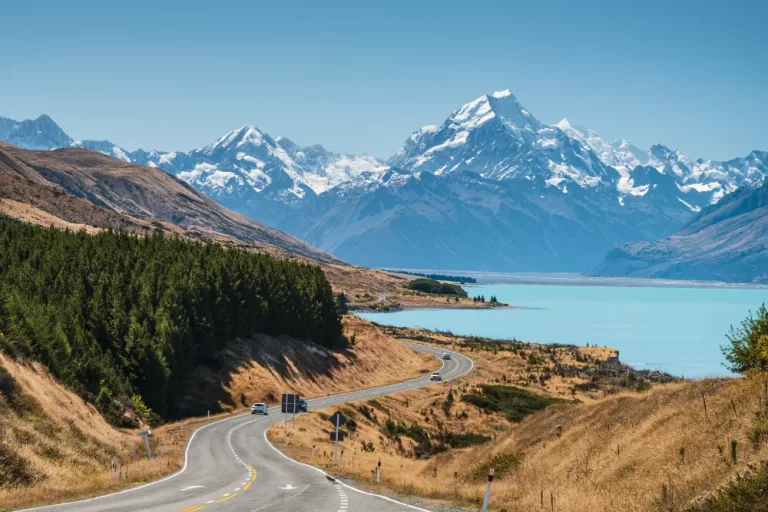
Mount Cook: Stunning alpine scenery and star-gazing in Aoraki/Mount Cook National Park.
Coolcation FAQs
-
What’s the winter weather like? Cool, crisp, with snow in the South Island and milder temps in the North.
-
Is it safe to visit in winter? Yes, just follow weather advisories.
-
What are the foods to try? Lamb stew, seafood chowder, roasted kumara, and local wines.
-
Is New Zealand accessible? Yes, main towns have good infrastructure.
-
Is it affordable? Costs can be lower in the shoulder season; look for flight and activity deals.

Affiliate disclosure: This post contains affiliate links. If you sign up through my link, I may earn a commission at no extra cost to you.
Introduction
Travel costs add up fast—foreign transaction fees, bad exchange rates, ATM charges, and the hassle of managing multiple cards. Revolut streamlines all of that into one powerful app and card that’s purpose-built for travelers. After trying a range of travel cards and bank accounts, Revolut consistently delivers the best blend of exchange rates, fee transparency, and travel-friendly features.
Sign up here to get started with Revolut:

What Makes Revolut Ideal for Travel
Real exchange rates (no hidden markups)
Revolut uses interbank or close-to-interbank rates during market hours, which typically beat traditional banks and most debit/credit cards that add 2–3% markups. Example over a two-week trip to Singapore, this alone can save you a surprising amount.
Low or no foreign transaction fees
With Revolut, you avoid the typical 2–3% foreign transaction fee many banks charge. Even on the free plan, most travelers see immediate savings versus their home bank card.
Multi-currency accounts
Hold and exchange dozens of currencies in-app at excellent rates. Preload EUR, USD, or local currency before you fly, lock in a favorable rate, and spend like a local.
Smart ATM withdrawals
Take out cash abroad without paying your bank’s out-of-network or international penalties. Revolut offers monthly fee-free ATM allowances depending on your plan, and shows fees clearly if you go over.
Dynamic Currency Conversion (DCC) protection
If a terminal abroad asks “Pay in your home currency?”—always choose local currency. Revolut helps by sending instant spend notifications so you can spot bad DCC conversions and avoid them.
Virtual and disposable cards for safer bookings
Create single-use virtual cards for flights, hotels, and car rentals to reduce fraud risk. If a merchant is compromised, your main card stays safe.
Powerful budgeting and spend analytics
Get instant notifications, per-merchant tracking, and category budgets. Perfect for keeping your trip on budget without spreadsheets.
Travel perks on paid plans
Upgrading unlocks higher fee-free ATM limits, better FX allowances, and premium benefits like overseas medical insurance, lounge access with SmartDelay, and priority support—great value if you travel often.
International transfers made easy
Send money to friends or pay local providers in their currency at sharp rates. No need for clunky bank transfers that take days and add mystery fees.
Cards that just work globally
Apple Pay/Google Pay support, contactless everywhere, and wide acceptance make Revolut reliable at restaurants, transport kiosks, and small shops.
Common Travel Scenarios Where Revolut Shines
City breaks and weekend trips
Tap-and-go transit, café payments, and small merchants with no extra fees. The real-time spend alerts help you keep tabs on costs.
Backpacking or multi-country tours
Hold multiple currencies, swap at competitive rates, and withdraw cash when needed. The app’s security controls let you freeze/unfreeze the card instantly.
Longer stays and digital nomad life
Get paid or pay local rent in the right currency, avoid wire fees, and keep track of spending across categories. Virtual cards are perfect for recurring subscriptions.
Group trips and expense splitting
Use Revolut to split bills instantly—no complex math or awkward follow-ups.
How Revolut Compares to Traditional Banks
- Lower total cost: No 2–3% foreign transaction fee, better FX rates, and clear ATM allowances.
- Faster and clearer: Instant notifications, in-app controls, live exchange, and budgeting analytics.
- Safer online: Virtual/disposable cards greatly reduce fraud risk on travel bookings.
Tips to Maximize Savings with Revolut
- Always pay in local currency to dodge DCC markups.
- Exchange on weekdays during market hours for the best rates.
- Withdraw cash in fewer, larger amounts within your plan’s fee-free allowance.
- Use virtual cards for flights and hotels, and keep your physical card for in-person spending.
- Consider a paid plan if you travel often; the extra FX and ATM allowances can pay for themselves.
- Enable security features: location-based security, freeze on tap, and spending limits.
Is the Free Plan Enough?
For occasional travelers, yes. You get excellent FX rates, fee transparency, basic ATM withdrawals, and the core budgeting features. If you travel several times a year or need higher allowances, premium plans add meaningful value—especially for insurance and ATM limits.
Get Started with Revolut
It takes minutes to sign up, verify, and add your physical or virtual card to your phone wallet. You’ll be ready to spend abroad at excellent rates with instant spend alerts and better security.
Join Revolut here:
FAQ
Does Revolut charge foreign transaction fees?
Revolut doesn’t add the typical 2–3% foreign transaction fee most banks do. FX and ATM allowances vary by plan; the app shows any fees upfront.
Are weekend FX markups a thing?
Some plans apply a small markup outside market hours to account for rate fluctuations. Exchanging on weekdays usually gets you the best price.
Will Revolut work everywhere?
It’s widely accepted wherever Mastercard/Visa are supported. Still carry a backup card just in case a terminal is offline.
Is it safe to use abroad?
Yes—instant notifications, freeze/unfreeze, location-based security, and virtual cards give you multiple layers of protection.
Family vacations don’t have to break the bank. With the right tricks, you can travel further, stay longer, and make priceless memories — all while keeping your wallet happy. Here’s the ultimate list of 100 budget travel tips for families, grouped into easy sections so you can find exactly what you need.
Flights (Tips 1–15)
- Use flight comparison sites like Skyscanner or Kayak
- Sign up for free flight deal alerts .
- Be flexible with your dates — midweek flights are often cheaper.
- Fly budget airlines, but read the baggage fine print.
- Book early for peak seasons — last-minute can be risky for families.
- Check nearby airports for cheaper fares.
- Mix and match airlines on round trips.
- Set fare alerts for multiple destinations.
- Travel during off-peak months.
- Use frequent flyer points to offset costs.
- Avoid paying for seat selection if you can sit together for free at check-in.
- Book flights + hotels as a package
- Compare “kids fly free” promotions.
- Consider overnight flights to save on a night’s accommodation.
- Check baggage allowance before booking to avoid surprise fees.

Accommodation (Tips 16–30)
- Book family-friendly hotels with free breakfast.
- Use vacation rental platforms for kitchens and more space.
- Try home exchanges with other families.
- Camp in national parks for budget-friendly stays .
- Use hotel loyalty programs for free nights.
- Look for kids-stay-free promotions.
- Stay outside the city center and use public transport.
- Book longer stays for weekly rate discounts.
- Check hostel family rooms — many are private and affordable.
- Use deal sites for last-minute hotel bookings .
- Share accommodation with another family to split costs.
- Avoid resorts with compulsory meal plans unless you’ll actually use them.
- Try farm stays for an affordable and educational experience.
- Book hotels with free parking to save on city fees.
- Use cashback sites when booking hotels .

Food & Eating Out (Tips 31–40)
- Pack snacks for flights and road trips .
- Book hotels with breakfast included.
- Shop at local markets for fresh, cheap meals.
- Cook simple meals in your accommodation.
- Eat your main meal at lunch — it’s often cheaper.
- Take reusable water bottles .
- Use food apps for discounts .
- Share large portions at restaurants.
- Try street food for authentic, low-cost dining.
- Bring a picnic to parks and attractions.
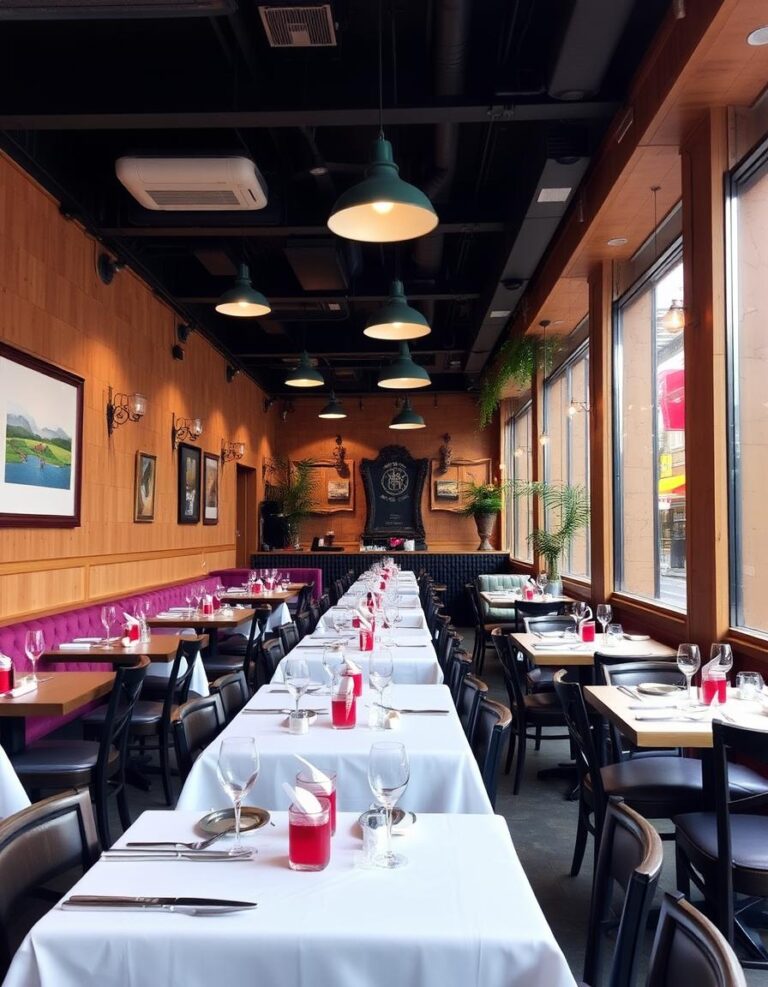
Activities & Attractions (Tips 41–55)
- Visit free museums and galleries.
- Use city passes for bundled attraction discounts .
- Join free walking tours — tip what you can.
- Look for free family festivals.
- Visit attractions on free admission days.
- Book tours online in advance for discounts.
- Use loyalty points for attraction tickets.
- Plan beach days — nature is free!
- Download free kids’ activity trails for museums.
- Choose multi-attraction tickets .
- Check Groupon for local activity deals .
- Borrow sports gear instead of renting.
- Bring your own picnic to avoid overpriced attraction food.
- Spend time in public playgrounds and parks.
- Explore local libraries for free events.

Packing & Gear (Tips 56–70)
- Use packing cubes for organization .
- Pack versatile clothing that mixes and matches.
- Bring a travel stroller .
- Carry a portable power bank .
- Use a lightweight backpack for day trips .
- Pack reusable shopping bags.
- Bring travel-size laundry detergent for sink washes.
- Invest in leak-proof lunch boxes.
- Take travel games for kids .
- Pack foldable water bottles.
- Bring a first aid kit.
- Carry snacks to avoid impulse buys.
- Use compression bags for bulky clothes.
- Bring earplugs and sleep masks.
- Get travel insurance.
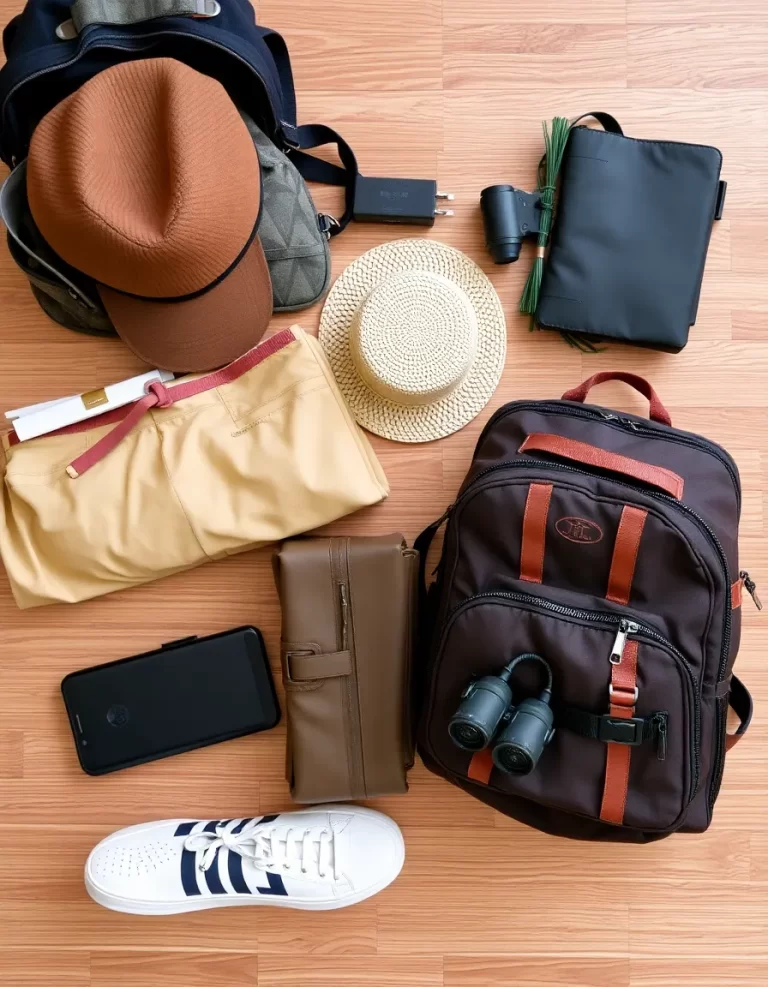
Transportation at Destination (Tips 71–85)
- Use public transport passes .
- Walk whenever possible.
- Rent a car for countryside trips.
- Share taxis or rides with other travelers.
- Use bike rentals for short distances.
- Check if kids travel free on public transport.
- Book train tickets in advance.
- Look for family rail passes.
- Take overnight trains or buses to save on hotels.
- Consider budget bus services.
- Avoid airport taxis — use shuttle buses instead.
- Compare rideshare prices.
- Use map apps to avoid getting lost.
- Book airport transfers online
- Plan routes to avoid peak fares.
General Travel Tools & Hacks (Tips 86–100)
- Use a VPN for secure browsing . We recommend NORD VPN
- Download offline maps.
- Keep a digital copy of important documents.
- Use cashback and points apps.
Travel with a refillable water filter bottle.
- Use free Wi-Fi where available.
- Book activities through your hotel for discounts.
- Sign up for travel newsletters.
- Follow local tourism boards on social media.
- Avoid roaming charges — use local SIM cards.
- Download translation apps.
- Join online family travel groups for tips.
- Plan rest days to avoid overspending.
- Keep a daily budget tracker.
- Always compare prices before booking.
Conclusion
Traveling on a budget with your family doesn’t mean cutting back on fun — it just means being smart with your money. Start using these budget travel tips for families to stretch your vacation fund further and create unforgettable memories.
Ready for your next trip? Discover top-rated family experiences with [GetYourGuide destination activities] for affordable adventures.
For such informative articles be sure to read our other blog post here.
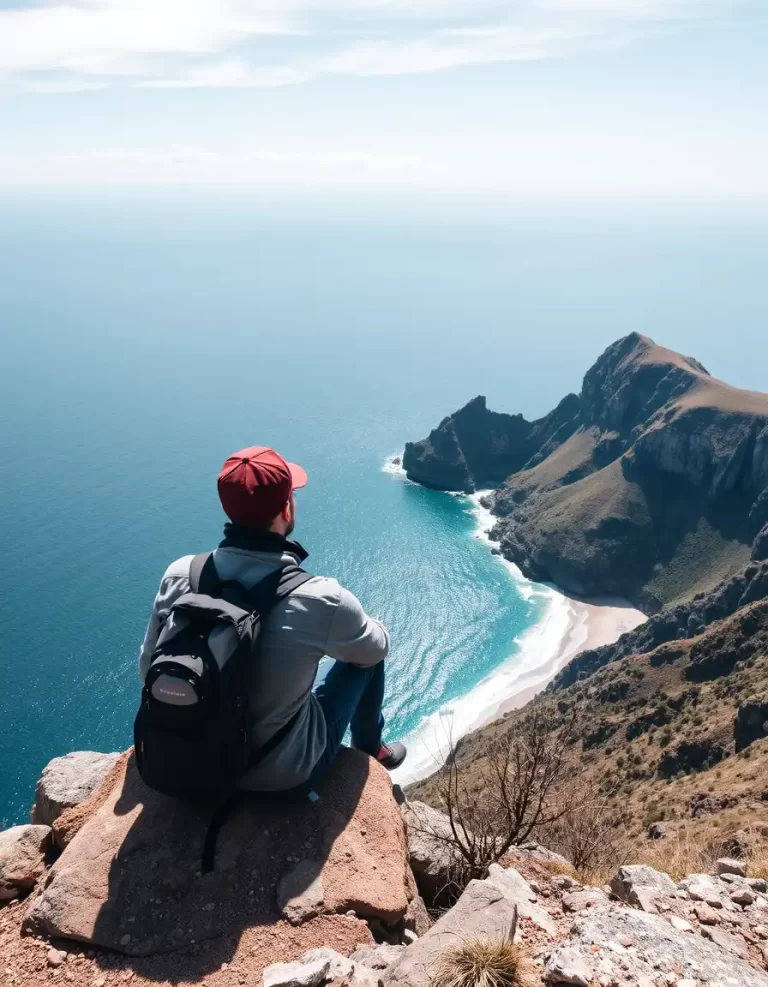
Solo travel has evolved from a niche pursuit to a mainstream movement, with millions of travelers worldwide choosing to explore destinations on their own terms. Whether you’re seeking personal growth, cultural immersion, or simply the freedom to follow your own itinerary, solo travel offers unparalleled opportunities for self-discovery and adventure. The key to a successful solo journey lies in choosing the right destination—one that balances safety, accessibility, and enriching experiences.
Why Solo Travel is More Popular Than Ever
The solo travel trend has exploded in recent years, driven by changing social attitudes, increased connectivity, and a growing desire for authentic experiences. Solo travelers report higher levels of personal satisfaction, increased confidence, and deeper cultural connections compared to group travel. Without the need to compromise on activities or accommodate others’ preferences, solo adventurers can fully immerse themselves in destinations that truly resonate with their interests.
Modern technology has also made solo travel more accessible and safer than ever before. From translation apps to real-time navigation and instant communication with loved ones back home, today’s solo travelers are better equipped to navigate unfamiliar territories with confidence.
Top Solo Travel Destinations Around the World
Japan: The Perfect Blend of Safety and Wonder
Japan consistently ranks as one of the world’s safest countries, making it an ideal destination for first-time solo travelers. The country’s efficient public transportation system, particularly the extensive rail network, makes getting around incredibly easy even with minimal Japanese language skills. Cities like Tokyo and Kyoto offer endless exploration opportunities, from ancient temples and bustling markets to cutting-edge technology districts and serene gardens.
Japanese culture’s emphasis on respect and politeness creates a welcoming environment for solo travelers. The country’s unique concept of “omotenashi” (hospitality) ensures that visitors feel cared for, while the prevalence of capsule hotels and ryokans (traditional inns) provides affordable and culturally immersive accommodation options specifically designed for individual travelers.
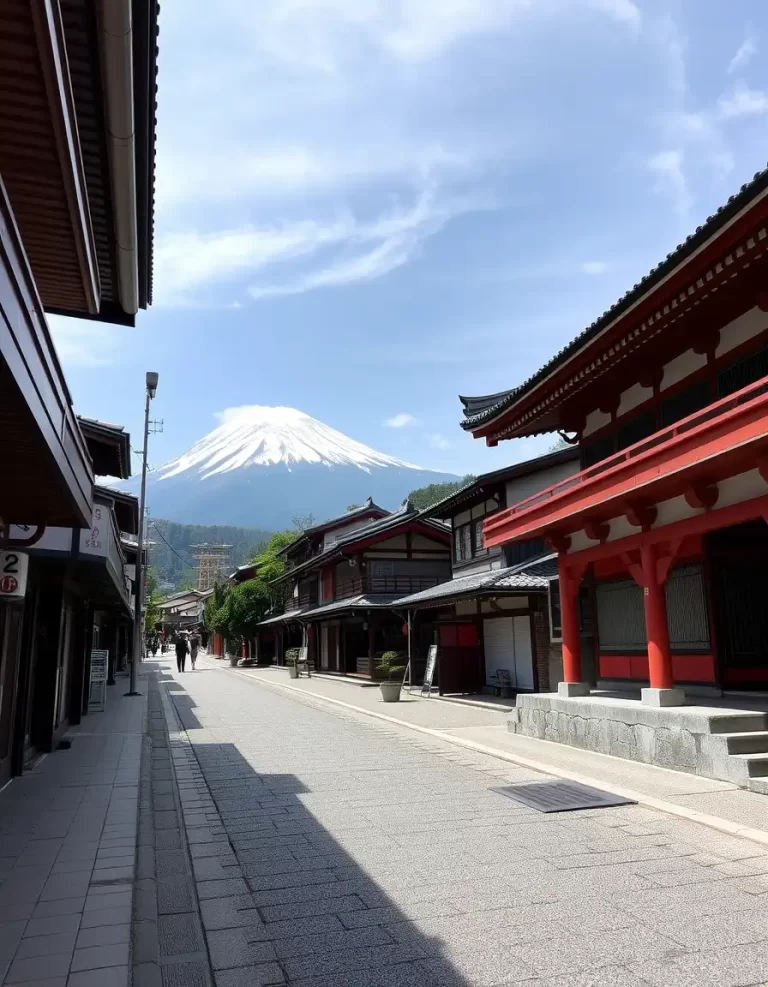
New Zealand: Adventure Capital for Solo Explorers
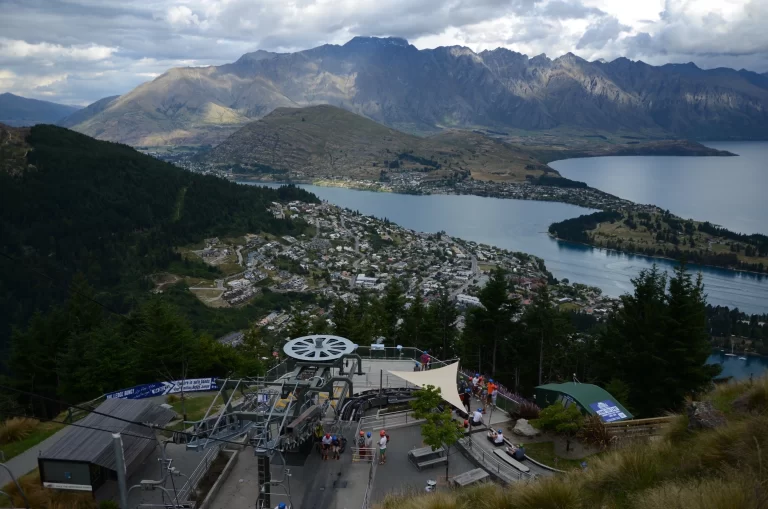
New Zealand’s stunning landscapes and adventure-focused tourism industry make it a paradise for solo travelers seeking both natural beauty and adrenaline-pumping activities. The country’s compact size and well-developed tourism infrastructure allow solo travelers to easily navigate between the North and South Islands, experiencing everything from glowworm caves and geothermal wonders to fjords and snow-capped mountains.
The backpacker culture in New Zealand is particularly welcoming to solo travelers, with numerous hostels, tour groups, and activity providers specifically catering to individual adventurers. Cities like Auckland, Wellington, and Queenstown offer vibrant social scenes where solo travelers can easily connect with fellow explorers from around the world.
Iceland: Solitude Meets Spectacular Scenery
Iceland’s otherworldly landscapes provide the perfect backdrop for introspective solo travel experiences. The country’s small population and emphasis on outdoor exploration create an environment where solo travelers can find both solitude and safety. The famous Ring Road allows independent travelers to circumnavigate the island at their own pace, discovering hidden waterfalls, black sand beaches, and the mesmerizing Northern Lights.
Iceland’s high standard of living and excellent infrastructure ensure that solo travelers have access to reliable accommodation, transportation, and communication services even in remote areas. The country’s strong English proficiency and tourist-friendly culture make it accessible to international solo travelers.

Singapore: Urban Sophistication Made Simple
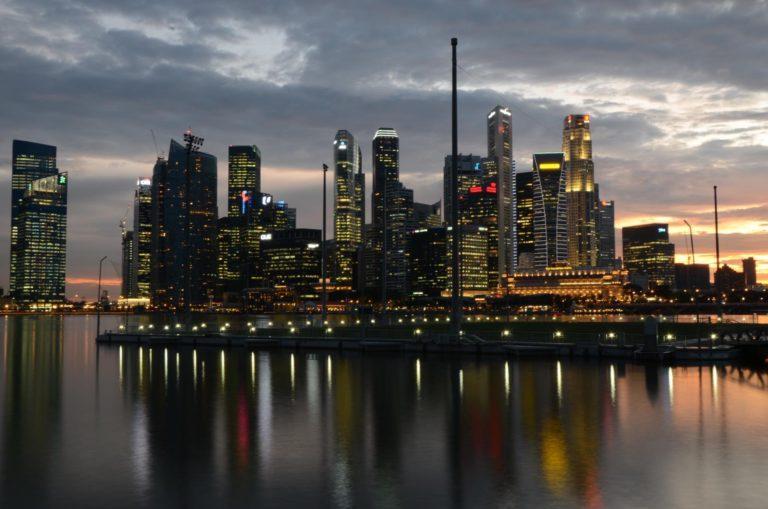
Singapore serves as an excellent introduction to solo travel in Asia, combining the excitement of a major metropolitan area with user-friendly systems and exceptional safety standards. The city-state’s compact size means that solo travelers can easily explore diverse neighborhoods, from the historic streets of Chinatown to the futuristic Gardens by the Bay, all within a single day.
The country’s multicultural population and status as a global business hub create a cosmopolitan atmosphere where solo travelers can enjoy world-class dining, shopping, and cultural experiences. Singapore’s efficient public transportation system and widespread English usage remove common barriers that might intimidate solo travelers in other Asian destinations.
Canada: Vast Wilderness and Friendly Communities
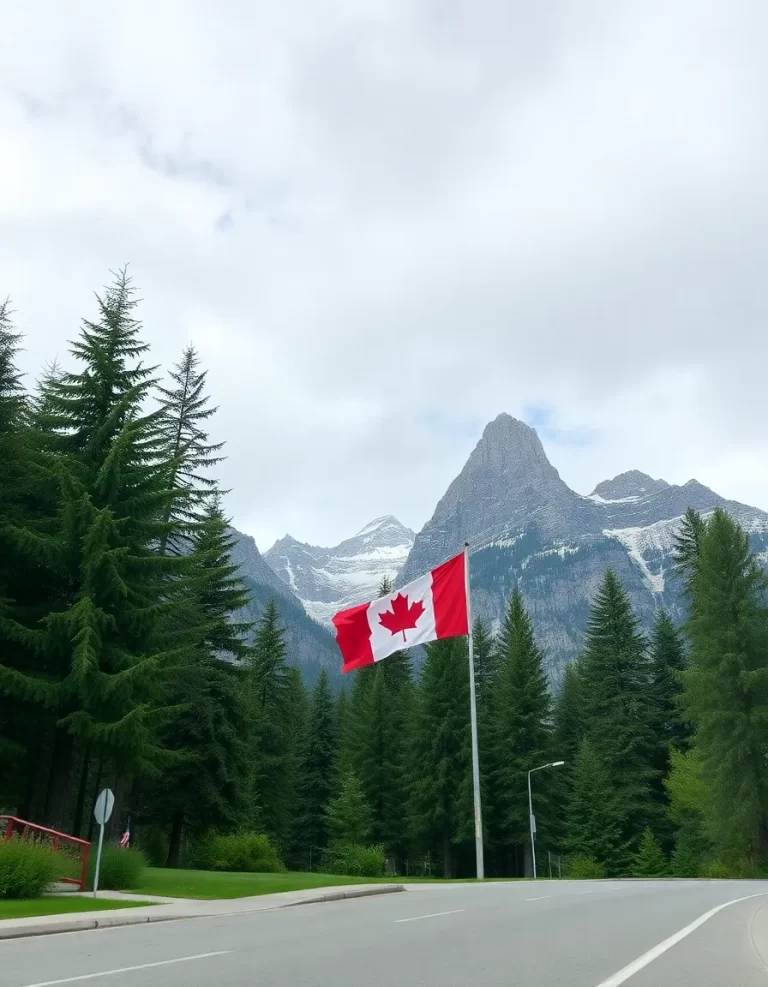
Canada’s reputation for friendliness extends far beyond stereotype, creating an genuinely welcoming environment for solo travelers. The country’s vast wilderness areas, from the Rocky Mountains to the Maritime provinces, offer countless opportunities for solo adventurers to connect with nature while maintaining access to modern amenities and safety networks.
Cities like Vancouver, Toronto, and Montreal provide sophisticated urban experiences with thriving arts scenes, diverse culinary offerings, and numerous festivals throughout the year. Canada’s excellent healthcare system and political stability provide additional peace of mind for solo travelers, particularly those planning extended stays or remote wilderness adventures.
Essential Tips for Safe and Enjoyable Solo Travel
Research and Planning
Thorough research forms the foundation of successful solo travel. Understanding local customs, laws, and cultural norms helps solo travelers avoid misunderstandings and demonstrates respect for their host destinations. Researching accommodation options, transportation systems, and must-see attractions in advance allows solo travelers to make informed decisions while maintaining flexibility for spontaneous discoveries.
Creating a flexible itinerary that includes both planned activities and free time for unexpected opportunities strikes the perfect balance between structure and spontaneity. Solo travelers should also research local emergency services, healthcare facilities, and embassy locations as part of their preparation process.
Safety Considerations
While solo travel is generally safe when proper precautions are taken, certain safety measures become even more important when traveling alone. Sharing itineraries with trusted contacts, maintaining regular communication with family and friends, and keeping digital copies of important documents in cloud storage provide essential safety nets for solo travelers.
Trusting instincts becomes crucial when traveling alone, as solo travelers must rely on their own judgment to assess situations and make decisions. Learning to read local social cues and understanding when to be cautious versus when to embrace new experiences is a skill that develops with solo travel experience.
Building Connections
Solo travel doesn’t mean traveling in isolation. Many solo travelers report that traveling alone actually makes them more approachable and likely to form meaningful connections with locals and fellow travelers. Staying in hostels, joining group tours for specific activities, and participating in local classes or workshops provide natural opportunities for social interaction.
Digital platforms and apps designed for travelers can help solo adventurers connect with like-minded individuals or find travel companions for specific activities. However, the ability to be comfortable with one’s own company remains an essential skill for solo travelers.
Making the Most of Your Solo Adventure
Solo travel offers unique advantages that group travel simply cannot match. The freedom to change plans spontaneously, spend as much time as desired at personally meaningful locations, and pursue individual interests without compromise creates deeply personal travel experiences. Solo travelers often report increased self-confidence, improved problem-solving skills, and a better understanding of their own preferences and capabilities.
The introspective nature of solo travel can lead to significant personal growth and self-discovery. Without the social dynamics of group travel, solo adventurers often find themselves more open to new experiences and more likely to step outside their comfort zones.
Conclusion
Solo travel represents one of the most rewarding ways to explore the world, offering unparalleled opportunities for personal growth, cultural immersion, and adventure. The destinations highlighted here provide excellent starting points for solo travelers, each offering unique advantages in terms of safety, accessibility, and memorable experiences.
Whether you’re drawn to Japan’s cultural richness, New Zealand’s natural adventures, Iceland’s dramatic landscapes, Singapore’s urban sophistication, or Canada’s friendly wilderness, the key to successful solo travel lies in choosing destinations that align with your interests and comfort level. With proper preparation, an open mind, and a spirit of adventure, solo travel can become not just a way to see the world, but a transformative journey of self-discovery.
The world is full of incredible destinations waiting to be explored, and there’s no better way to discover them than on your own terms. Your solo adventure awaits—where will you go first?

Spain is a country that blends history, modern culture, and Mediterranean charm effortlessly. Among its many jewels, Barcelona and Madrid shine the brightest. Each city offers its unique blend of architecture, cuisine, art, and vibrancy, making them essential stops for any traveler. Whether you’re wandering through medieval alleyways or sipping sangria on a sunny plaza, Spain’s two biggest cities will leave you enchanted. Below, we take you through the best travel places in Barcelona and Madrid—a definitive guide for those planning the ultimate Spanish adventure.
Best Travel Places in Barcelona
1. Sagrada Família: Gaudí’s Masterpiece
The Basilica de la Sagrada Família is not just a church—it’s a living symbol of Barcelona. Designed by Antoni Gaudí, this UNESCO World Heritage Site has been under construction since 1882 and remains unfinished. Its elaborate façades, intricate sculptures, and towering spires are nothing short of mesmerizing. Don’t miss the interior, where natural light filters through stained glass windows, casting a kaleidoscope of colors.
2. Park Güell: A Colorful Wonderland
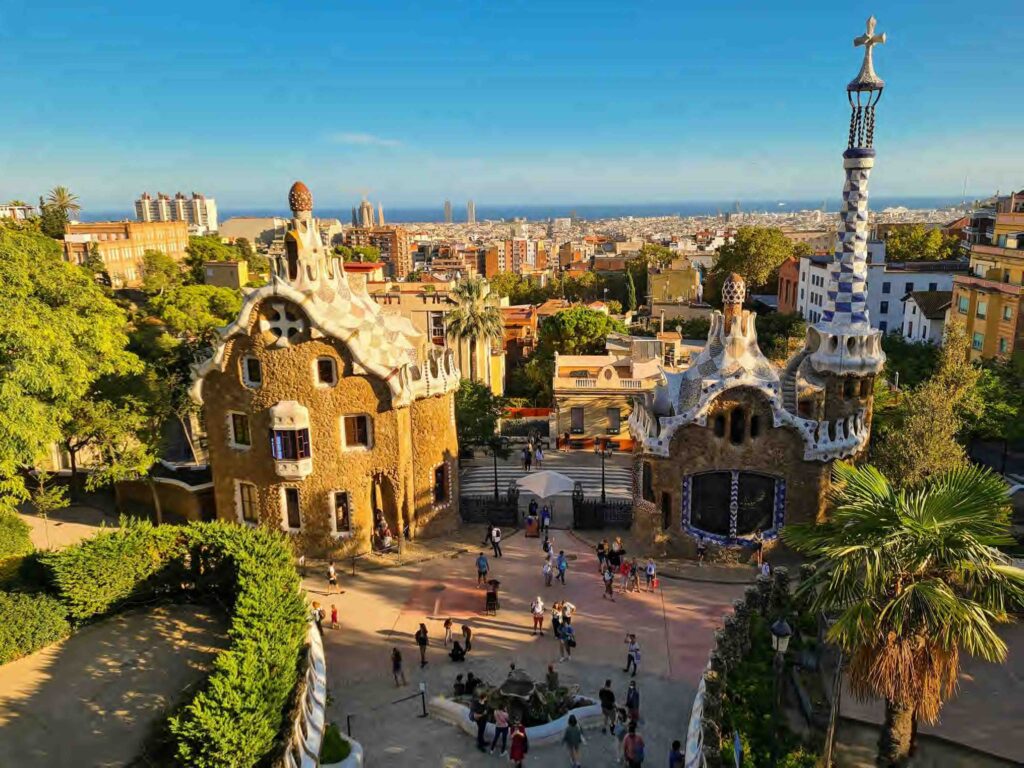
Another of Gaudí’s iconic works, Park Güell is a fusion of architecture, nature, and surrealism. Located on Carmel Hill, the park is home to mosaic-covered benches, the famous dragon staircase, and panoramic views of the city. The park feels like a walk through a fantasy novel and showcases the artistic spirit of Catalonia.
3. La Rambla: Barcelona’s Beating Heart
La Rambla is a bustling boulevard that stretches 1.2 kilometers from Plaça de Catalunya to the Columbus Monument at Port Vell. It’s lined with street performers, flower stalls, open-air cafés, and historic buildings. Be sure to visit the Mercat de Sant Josep de la Boqueria, a vibrant food market offering fresh produce, seafood, and tapas.
4. Gothic Quarter (Barri Gòtic): Medieval Charm
Step back in time in the Gothic Quarter, where cobbled streets weave through Roman ruins, Gothic cathedrals, and hidden plazas. Highlights include the Barcelona Cathedral, Plaça Reial, and the historic Jewish Quarter. It’s a place that captures Barcelona’s rich historical layers.
5. Casa Batlló and Casa Milà (La Pedrera)
These two architectural gems on Passeig de Gràcia showcase Gaudí’s genius. Casa Batlló resembles a house made of bones and is famous for its flowing forms and colorful ceramic tiles. Casa Milà, known as La Pedrera, features an undulating stone façade and a rooftop with surreal chimney structures. Both are must-visits for architecture lovers.
6. Montjuïc: Art, Culture, and Views
Montjuïc Hill is a cultural hub with museums, gardens, and Olympic history. Visit the Museu Nacional d’Art de Catalunya (MNAC) for Romanesque and Gothic art, or explore the Joan Miró Foundation. The Magic Fountain show in the evening is a spectacle of light and music. Ride the Montjuïc cable car for stunning aerial views.
Top Travel Destinations in Madrid
1. The Prado Museum: Spain’s Art Treasury
Madrid’s Museo del Prado houses one of the world’s finest collections of European art, featuring masterpieces from Velázquez, Goya, Rubens, and Titian. It’s a cultural pilgrimage site for art lovers and a cornerstone of Madrid’s artistic prestige.
2. Royal Palace of Madrid: Regal Grandeur
The Palacio Real is the largest royal palace in Europe by floor area. Though it is no longer the residence of the Spanish royal family, its baroque architecture, throne room, and Royal Armoury draw millions of visitors. The surrounding Plaza de Oriente and Sabatini Gardens are perfect for a leisurely stroll.
3. Retiro Park: Urban Oasis
Once a royal retreat, El Retiro Park is now Madrid’s green heart. Stroll through tree-lined avenues, rent a boat on the Grand Pond, or marvel at the Crystal Palace, a glass pavilion often hosting art exhibitions. It’s an ideal spot for relaxation amidst Madrid’s urban rhythm.
4. Puerta del Sol and Plaza Mayor: Historic Squares
These two central squares are steeped in history. Puerta del Sol is the symbolic center of Spain, marked by the Kilometer Zero plaque. Nearby, Plaza Mayor is a grand arcaded square known for its uniform architecture, lively terraces, and occasional festivals. Both are essential stops for soaking up the city’s atmosphere.
5. Gran Vía: Madrid’s Broadway
The bustling Gran Vía is Madrid’s answer to Broadway, lined with historic theaters, cinemas, and fashion boutiques. Architectural highlights include the Edificio Telefónica and Metropolis Building. It’s the perfect place for nightlife, shopping, and dining.
6. Temple of Debod: Ancient Egypt in Spain
Gifted by Egypt in 1968, the Temple of Debod is an authentic ancient Egyptian temple situated in Parque del Oeste. It offers unique historical insight and sunset views over the city skyline. A peaceful and often overlooked gem in the capital.
Hidden Gems to Explore in Both Cities
Barcelona: Bunkers del Carmel
For a less touristy experience, head to the Bunkers del Carmel, a former anti-aircraft battery site turned lookout. It offers 360-degree views of Barcelona and is particularly magical at sunrise or sunset.
Madrid: Lavapiés and Malasaña Districts
Explore the neighborhoods of Lavapiés, known for its bohemian vibe, global cuisine, and street art, and Malasaña, the heart of Madrid’s countercultural movement, packed with vintage shops, craft beer bars, and lively plazas.
Best Day Trips from Barcelona and Madrid
From Barcelona: Montserrat and Sitges
- Montserrat: A mountain range with a stunning monastery and hiking trails. The Benedictine Abbey houses the revered Black Madonna statue.
- Sitges: A seaside town known for its beaches, modernist architecture, and vibrant LGBTQ+ scene.
From Madrid: Toledo and Segovia
- Toledo: The “City of Three Cultures” is rich in Christian, Jewish, and Muslim history. A UNESCO World Heritage Site just 30 minutes from Madrid.
- Segovia: Famous for its Roman aqueduct, Alcázar fortress, and roast suckling pig (cochinillo).
Food and Culinary Delights in Barcelona and Madrid
Barcelona: Tapas and Seafood
- Try pa amb tomàquet, escalivada, and bombas.
- Visit La Barceloneta for the freshest seafood.
- Savor Catalan specialties like suquet de peix and crema catalana.
Madrid: Traditional Flavors
- Indulge in bocadillo de calamares, cocido madrileño, and churros con chocolate.
- Visit the San Miguel Market for gourmet tapas and wines.
- Enjoy a flamenco show with dinner in Corral de la Morería.
Conclusion: Barcelona and Madrid—Two Worlds, One Country
Barcelona and Madrid may be culturally distinct, but together they represent the soul of Spain. From Gothic cathedrals to royal palaces, from coastal landscapes to urban parks, and from avant-garde art to timeless traditions, both cities are endlessly captivating. Whether you’re visiting for a few days or a few weeks, the travel places in Barcelona and Madrid offer a complete immersion into the very best of Spanish heritage and modern lifestyle.
For more such travel stories read our other blog posts.
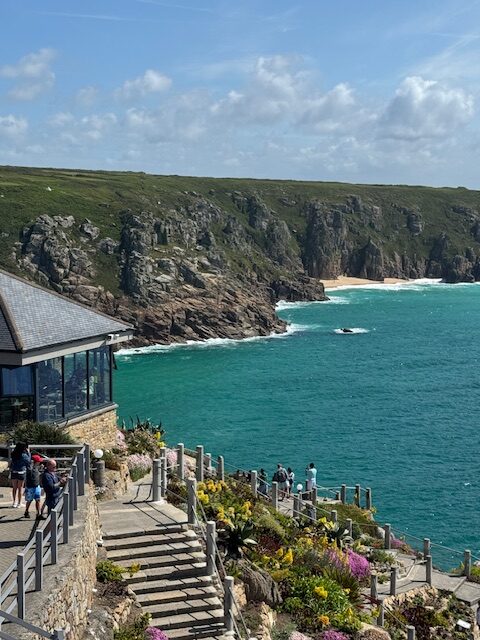
Tucked into the rugged southwestern corner of England, Cornwall is more than just a summer getaway—it’s a land of legends, wild coastlines, dramatic clifftop walks, and ancient magic that lingers in the sea breeze. From the theatrical cliffs of the Minack Theatre to the mythical ruins of Tintagel Castle, every corner of Cornwall whispers a story waiting to be told.
As a travel blogger who’s wandered through many places, I can honestly say Cornwall left an imprint on my heart. Whether you’re a history buff, a nature lover, a romantic, or a curious soul chasing folklore, this guide will take you through some of Cornwall’s most iconic—and soul-stirring—destinations.
📍 Day 1: The Minack Theatre – Drama on the Edge of the World
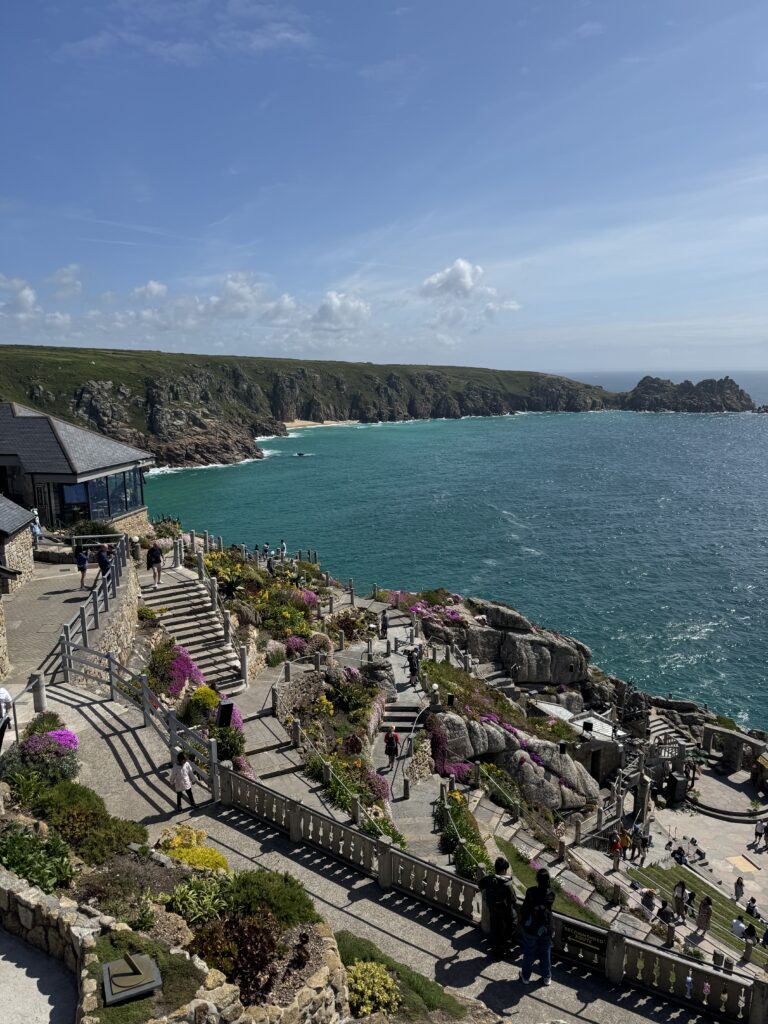
Perched high on the granite cliffs of Porthcurno, overlooking the turquoise sweep of the Atlantic Ocean, the Minack Theatre is one of the most unique performance spaces in the world.
A Theatre Like No Other
Built into the rock face by the visionary Rowena Cade in the 1930s, the Minack looks like something straight out of ancient Greece, except with seagulls soaring above and waves crashing far below. It’s not just the plays that captivate you here—it’s the entire atmosphere.
When I visited, I saw a Shakespeare play under the stars. The evening light faded, the sea glowed silver, and the actors’ voices rose against the rhythm of the ocean. It was magical, raw, and unforgettable.
Tips for Visiting:
- Book early, especially in summer. Performances sell out fast.
- Bring warm layers—it gets chilly after sunset, even in July.
- Visit during the day too—the views are breathtaking, and the gardens are filled with subtropical plants.
Nearby Gems:
- Porthcurno Beach: Just below the theatre, this golden cove is perfect for a swim or a peaceful beach stroll.
- Porthchapel Beach: A more hidden, less crowded spot just a short walk away.
📍 Day 2: Land’s End – Where the World Feels Like It Ends
The name alone stirs the imagination: Land’s End. It’s the most westerly point of mainland England, where the cliffs drop dramatically into an endless expanse of sea.
The Feeling of the Edge
Standing on the cliffs, with the Atlantic stretching out forever, you get a deep, almost spiritual sense of being at the end of something—and the beginning of something else. It’s windy, wild, and deeply stirring.
Yes, there’s a bit of commercial activity—souvenir shops and cafes—but step just a little beyond and you’ll find solitude, seabirds, and cliffside trails that stretch for miles.

Don’t Miss:
- The Famous Signpost: Take a photo with the Land’s End signpost—it’s a classic.
- Coastal Walks: The South West Coast Path runs through here. Hike towards Sennen Cove for a spectacular clifftop walk.
- Longships Lighthouse: Visible just offshore, this solitary lighthouse stands sentinel against the crashing waves.
Practical Info:
- Parking is available, though it can get busy in peak season.
- Entry to the natural areas is free; pay only for certain attractions on-site.
📍 Day 3: Tintagel Castle – In the Footsteps of King Arthur
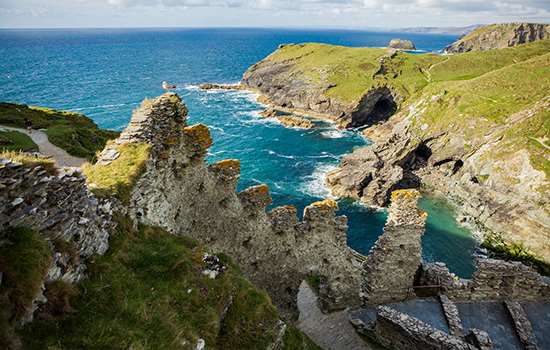
Few places in the UK blend myth and reality as seamlessly as Tintagel Castle. Said to be the birthplace of King Arthur, the ruins lie scattered across a dramatic island connected to the mainland by a narrow footbridge.
Walking Through Legend
As you cross the footbridge to the headland, you’re stepping into a story centuries old. The wind is fierce, the waves roar below, and the ruins cling to the clifftop like something out of a fantasy novel.
Wander through the remnants of medieval walls, peer into the great hall, and gaze across the sea as gulls cry overhead. The atmosphere is thick with legend.
Highlights:
- The Footbridge: Opened in 2019, this modern bridge reconnects the two halves of the site as they were in medieval times.
- Gallos Statue: A striking bronze figure of a cloaked king, blending myth and history.
- Merlin’s Cave: At low tide, you can explore this sea cave beneath the castle.
Travel Tip:
- Wear sturdy shoes. The site includes steep steps, uneven paths, and windswept terrain.
- Book tickets in advance via English Heritage, especially in summer.
Village Charm:
The village of Tintagel is full of cozy cafés, quirky gift shops, and Cornish pasty bakeries. It’s the perfect place to slow down after your climb through history.
📍 Day 4: St Michael’s Mount – A Castle in the Sea
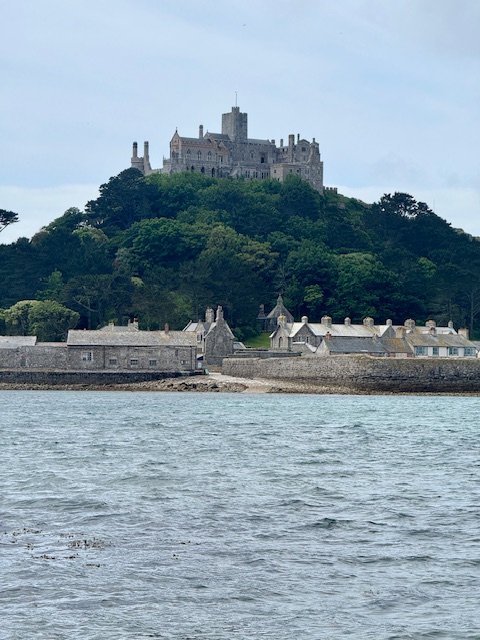
No trip to Cornwall is complete without visiting St Michael’s Mount, a tidal island topped with a medieval castle, reachable by foot at low tide and by boat at high tide.
A Living Fairy Tale
From a distance, the mount rises like something from a storybook. Once you step onto the cobbled causeway, you’re transported to another world.
The castle is still home to the St Aubyn family, and walking through its ancient rooms gives you a fascinating glimpse into history—both noble and domestic. The views from the battlements, sweeping across Mount’s Bay and the sparkling sea, are awe-inspiring.
What to Explore:
- The Castle: Filled with antiques, armor, and centuries-old family history.
- The Gardens: Terraced gardens cling impossibly to the rocks and burst with exotic plants.
- The Village: Quaint and tiny, with a café, a gift shop, and a small chapel.
Tips for Visiting:
- Check the tide times before you go! Walking across the causeway is a magical experience you don’t want to miss.
- Wear good shoes—the walk is over uneven cobblestones.
- Allow time to explore Marazion, the charming seaside town opposite the mount.
Bonus Adventures Nearby
If you have more time, here are a few extra Cornwall gems to consider:
🏄♂️ St Ives
A haven for artists, surfers, and seafood lovers. Visit the Tate St Ives, stroll along the harbor, or simply soak up the golden light that has inspired painters for generations.
🌾 Bodmin Moor
Wander through Cornwall’s wild heart, where ancient stone circles and windswept tors create an eerie, haunting landscape.
🐬 Padstow & the Camel Trail
A food lover’s paradise (home to Rick Stein’s restaurants), Padstow also offers beautiful bike trails and boat trips.
🚗 Getting Around:
Cornwall’s charm lies in its remoteness, but this also means public transport is limited. Renting a car is your best bet for freedom and flexibility.
🏨 Where to Stay:
- Penzance or St Ives: Great bases for exploring the south coast.
- Tintagel or Boscastle: Ideal for the north coast and Arthurian sites.
- Consider charming B&Bs, cottages, or seaside inns over big hotels for a more authentic experience.
🧳 What to Pack:
- Layers (even in summer, it can get breezy).
- Comfortable walking shoes.
- A rain jacket—Cornwall’s weather changes quickly!
- A camera—you’ll want to capture everything.
Why Cornwall Captivates
Cornwall is a place of contrasts: sun-drenched beaches and storm-battered cliffs; ancient ruins and bustling surf towns; quiet harbors and theatrical stages built into stone. But more than that, it’s a place where stories live. Whether it’s the drama of a live performance at the Minack, the legends of King Arthur echoing through Tintagel, or the quiet dignity of St Michael’s Mount rising with the tide, Cornwall invites you to be more than just a tourist—it asks you to be part of its tale.
As you walk its windswept paths and listen to the crash of the waves, don’t be surprised if you feel something stirring in your soul. That’s Cornwall speaking.
For more such exciting places be sure to check our other blogs.

Wanderlust doesn’t have to come with a high price tag. In fact, some of the most memorable adventures I’ve had were born from tight budgets and spontaneous decisions. Over the years, I’ve learned how to stretch every dollar, pound, and euro to its limit while still soaking up the full magic of travel. Whether you’re a student, a young professional, or simply someone with a craving for adventure and a limited wallet, this guide is for you.
Here’s everything you need to know about traveling on a budget—without sacrificing the joy and richness that travel offers.
1. Change Your Mindset: Budget Travel Is Not “Cheap” Travel
Let’s start with a crucial mindset shift: traveling on a budget doesn’t mean cutting corners or slumming it. It means making smarter choices, being flexible, and focusing on value. Some of the most meaningful travel experiences—like sharing stories with locals, hiking to a hidden waterfall, or getting lost in a vibrant street market—are completely free.
The goal isn’t to avoid spending money altogether. The goal is to spend less on things that don’t matter (like overpriced hotels and tourist traps) and more on meaningful experiences.

2. Plan Ahead, But Stay Flexible
Budget travelers walk a fine line between planning and spontaneity. You want to research the essentials: visa requirements, local transport options, cultural norms, and potential costs. But the best deals often come to those who are flexible with dates and destinations.
Use flight comparison tools like Skyscanner, Google Flights, or Hopper to find the cheapest dates to travel. Traveling mid-week or during shoulder seasons (spring and autumn in most countries) can cut your costs in half.
Pro Tip: Let the deals decide your destination. If Paris is too expensive this month, maybe Budapest, Kraków, or Porto will give you that European charm at a fraction of the price.
3. Budget-Friendly Destinations
Some countries are simply cheaper to travel in than others. Here are a few destinations where your money goes further:
-
Southeast Asia: Think Thailand, Vietnam, Laos, and Indonesia. You can live comfortably on $20–30 a day.
-
Eastern Europe: Countries like Romania, Bulgaria, and Poland are beautiful and affordable.
-
South America: Bolivia, Peru, and Colombia offer rich culture and nature without the high price tag.
-
India and Nepal: Unbeatable value and unforgettable experiences.
If you’re set on a pricey location like Iceland or Singapore, shorten the trip and focus on free activities like hiking, visiting temples, or enjoying local festivals.
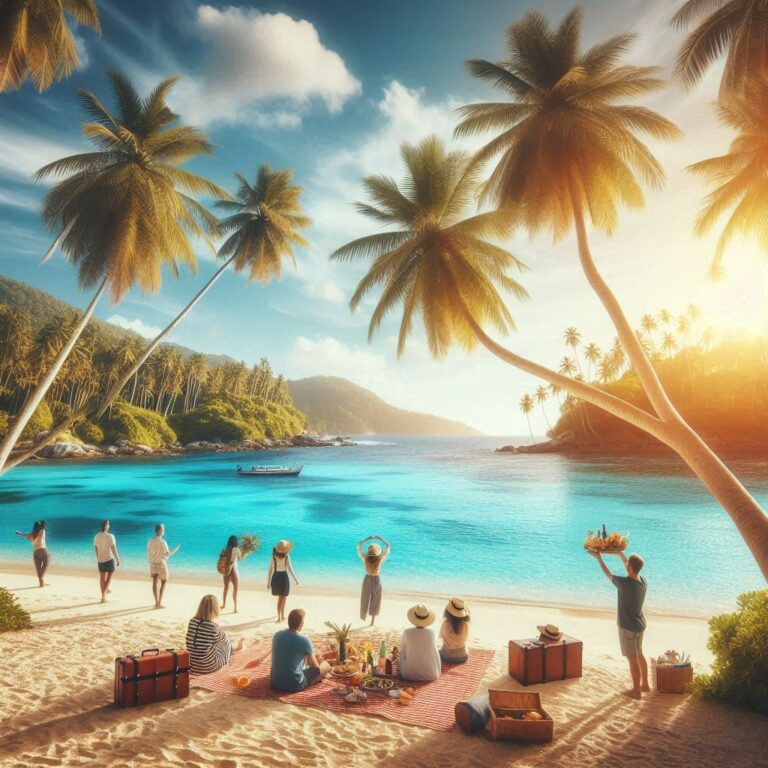
4. Fly Smart: Tips for Cheap Flights
Airfare is often the biggest chunk of your travel budget. Here’s how to cut it down:
-
Book early – but not too early. The sweet spot is usually 1–3 months in advance for domestic and 2–6 months for international.
-
Use incognito mode or a different browser to avoid dynamic pricing.
-
Be flexible with airports and dates.
-
Consider budget airlines – but read the fine print. Some charge extra for everything, including carry-ons.
Bonus Tip: Sign up for flight deal newsletters like Scott’s Cheap Flights or Secret Flying. They’ll alert you when there’s a mistake fare or flash sale.
5. Accommodation: Ditch the Hotels
Accommodation doesn’t have to break the bank. In fact, it can be one of the best parts of your trip.
-
Hostels: Not just for 20-something backpackers. Many offer private rooms, kitchens, and social events at a fraction of the cost of a hotel.
-
Airbnb or Vrbo: Especially for groups or longer stays.
-
Couchsurfing: Stay with locals for free and gain insider knowledge of your destination.
-
Work Exchanges: Websites like Workaway, WWOOF, or HelpX connect travelers with hosts who provide room and board in exchange for a few hours of work per day.
Don’t forget to factor in location. A cheap place on the outskirts of town might cost more in daily transport. Always map it out first.
6. Save Big on Food and Drink
Eating like a local is one of the best ways to experience a new place and save money.
-
Street Food: In many countries, this is where the real flavor is. It’s fast, fresh, and often costs less than $5.
-
Cook Your Own Meals: If your accommodation has a kitchen, use it! Even making breakfast and lunch yourself can save you a lot.
-
Eat Where the Locals Eat: Avoid restaurants near tourist attractions. Look for busy, local-filled spots or ask your host where they eat.
-
Limit Alcohol: Drinks can add up quickly, especially in Western countries. Buy from supermarkets or attend hostel happy hours if you’re looking to save.
7. Get Around on the Cheap
Transportation within your destination can also eat up your budget if you’re not careful.
-
Walk: It’s free, healthy, and helps you really see a place.
-
Public Transport: Buses, metros, and trams are often a tenth of the price of taxis.
-
City Bikes or Scooters: Popular in cities like Amsterdam, Berlin, and Lisbon.
-
Long-Distance Buses: In Europe, try Flixbus or BlaBlaCar. In South America or Asia, buses can be luxurious and very affordable.
-
Travel Overnight: Save on a night’s accommodation by taking overnight buses or trains.
8. Make Use of Free Activities
The best things in life are (often) free.
-
Free Walking Tours: Available in nearly every major city. They’re tip-based and usually run by passionate locals.
-
Museums and Attractions: Many offer free entry on certain days or times. Plan around these!
-
Nature: Beaches, hikes, lakes, parks—natural beauty doesn’t charge admission.
-
Cultural Events: Check out local markets, festivals, and parades.
Always do a quick search for “free things to do in [city]” before you arrive.
9. Travel Insurance: Don’t Skip It
It might feel like an unnecessary expense, but travel insurance can save you thousands if something goes wrong. Look for policies that cover health emergencies, theft, and cancellations. Companies like SafetyWing, World Nomads, or Allianz offer budget-friendly options for long and short trips alike.
10. Earn While You Travel
One of the best ways to extend your travel time is to earn as you go.
-
Freelance Online: Writing, design, teaching, virtual assistance—there’s a global demand.
-
Teach English: In countries like China, South Korea, or online through platforms like Cambly or iTalki.
-
Seasonal Jobs: Think ski resorts, hostels, summer camps, or fruit picking.
-
Work Exchange: As mentioned earlier, trade your time for room and board.
Digital nomadism isn’t just a buzzword anymore—it’s a lifestyle. And many people fund full-time travel through remote gigs.
11. Budgeting Tools and Travel Apps
Technology makes budget travel easier than ever.
-
Trail Wallet / TravelSpend: Track your daily expenses.
-
Rome2Rio: Find all transport options between two places.
-
Maps.me: Offline maps that save data and work anywhere.
-
Google Translate: Essential for navigating local menus and signs.
-
XE Currency: Instantly convert foreign prices into your home currency.
These tools keep you in control of your budget and help avoid unexpected costs.
12. Stay Safe and Smart
Budget travel should still be smart travel.
-
Keep digital and physical copies of your important documents.
-
Use a money belt or hidden pouch in high-theft areas.
-
Don’t flash valuables.
-
Learn a few basic phrases in the local language—it goes a long way.
-
Trust your instincts and be aware of common scams in tourist-heavy areas.
Remember, being budget-conscious doesn’t mean being reckless.
Final Thoughts: You Don’t Need to Be Rich to Travel
If there’s one thing I’ve learned from years of wandering the world, it’s this: travel is more about resourcefulness than resources. It’s not about ticking off luxury resorts or Michelin-starred restaurants (though those have their place too), but about discovering the world with curiosity, courage, and creativity.
Some of my most cherished memories—dancing with locals at a Colombian fiesta, watching the sun rise over Angkor Wat, or sharing a home-cooked meal with a host family in Georgia—cost next to nothing.
So pack your bags, grab your passport, and chase that dream trip. Your bank account doesn’t need to be bursting—just your heart.
Happy travels, my fellow adventurers. And remember: the world is wide, and it’s waiting for you.
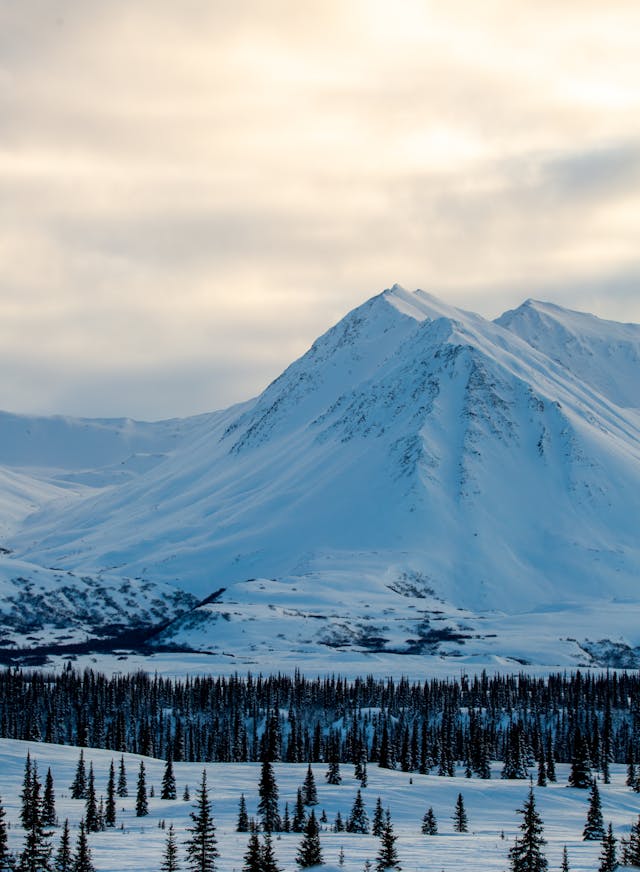
Dreaming of an epic Alaskan adventure? With its majestic mountains, glacial wonders, and abundant wildlife, Alaska is a nature lover’s paradise. A two-week trip offers plenty of time to soak in its grandeur and experience a mix of scenic beauty, outdoor activities, and cultural exploration. This friendly guide will help you plan an incredible 14-day Alaska itinerary that covers all the highlights and hidden gems.
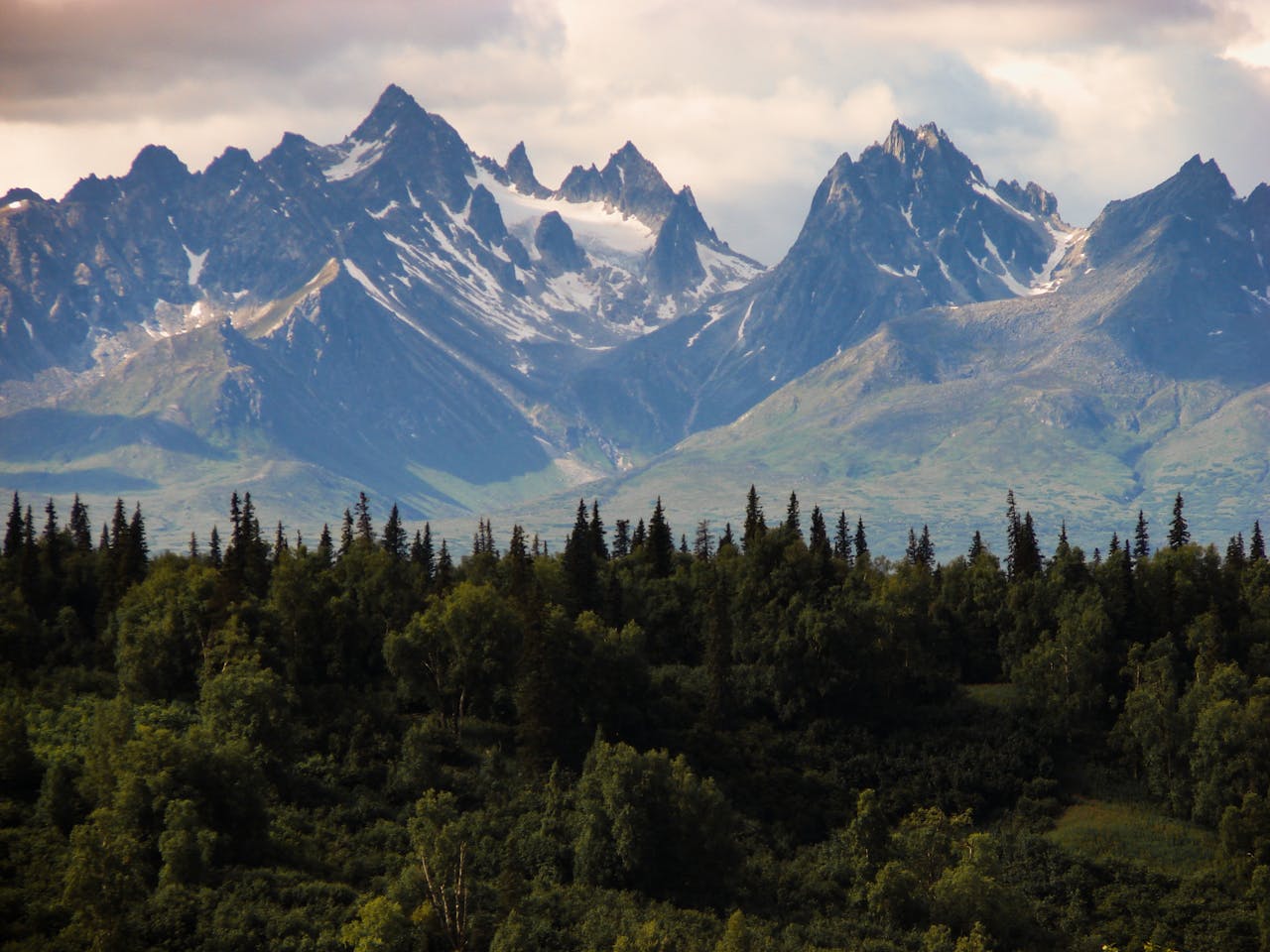
Day 1: Arrival in Anchorage
Kick off your journey in Anchorage, Alaska’s largest city. After arriving at Ted Stevens Anchorage International Airport, settle into your hotel and spend the afternoon exploring downtown.
- Don’t Miss: Visit the Anchorage Museum to learn about Alaska’s history and indigenous cultures.
- Where to Eat: Enjoy fresh seafood at Simon & Seafort’s or try a reindeer sausage hot dog from a local vendor.
- Pro Tip: Anchorage offers bike rentals, making it easy to explore the Tony Knowles Coastal Trail for stunning views of Cook Inlet.
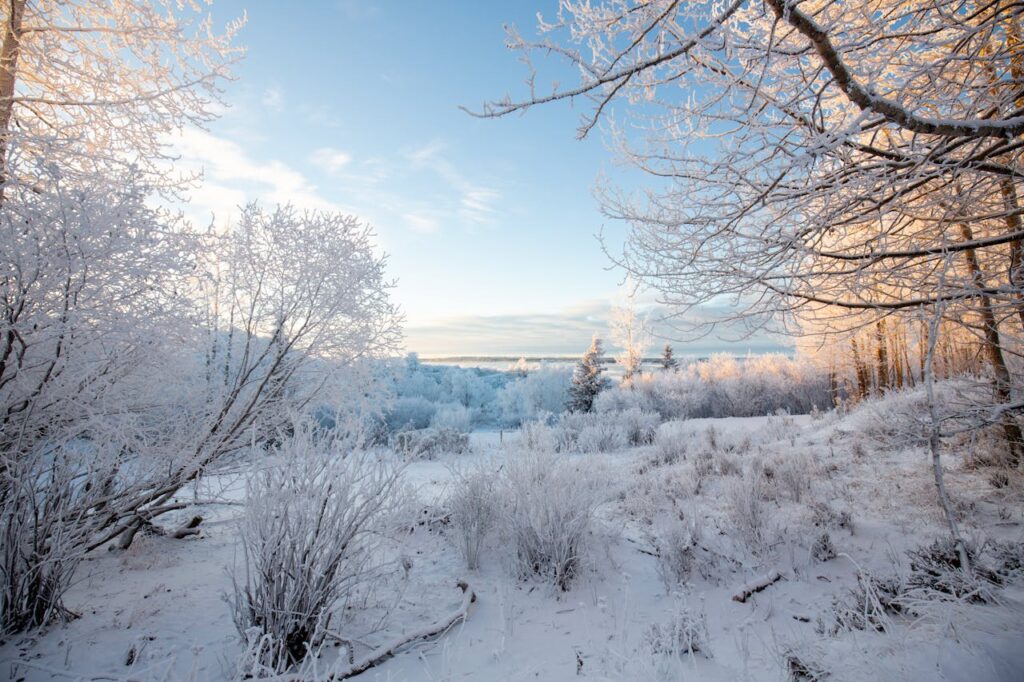
Day 2: Day Trip to Portage Glacier and Girdwood
Take a short drive to Girdwood, a charming mountain town. Along the way, stop at Portage Glacier for a boat tour or visit the Begich Boggs Visitor Center.
- Highlights:
- Portage Glacier boat tour
- Alyeska Resort’s scenic tram ride for panoramic views
- Hiking the Winner Creek Trail
- Insider Tip: Stop by the Alaska Wildlife Conservation Center to see rescued animals like bears, moose, and bison.
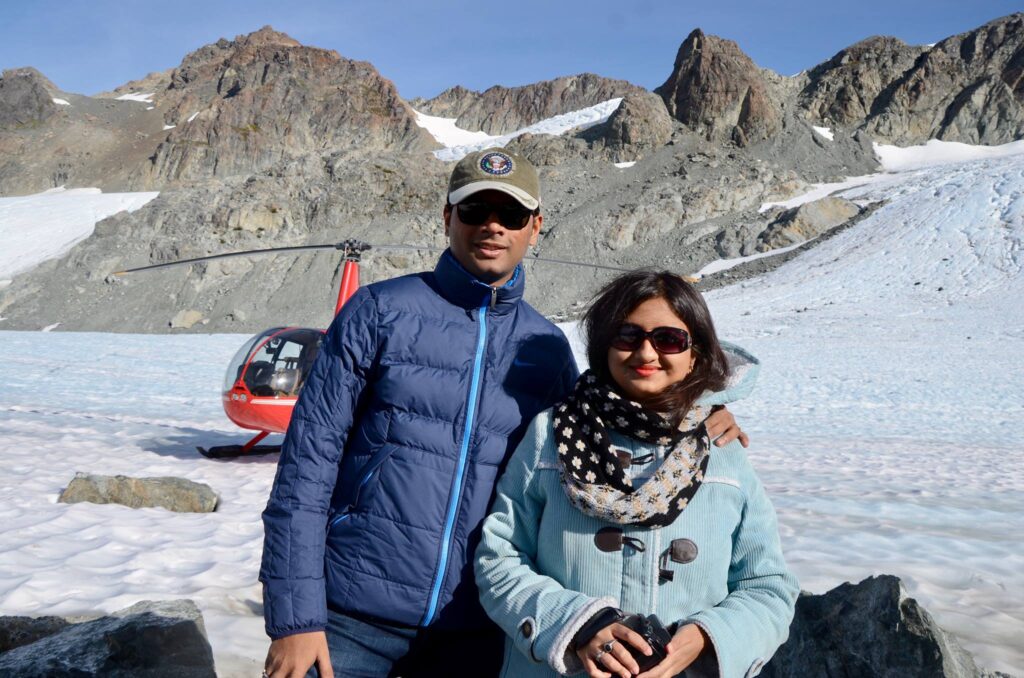
Day 3-4: Seward and Kenai Fjords National Park
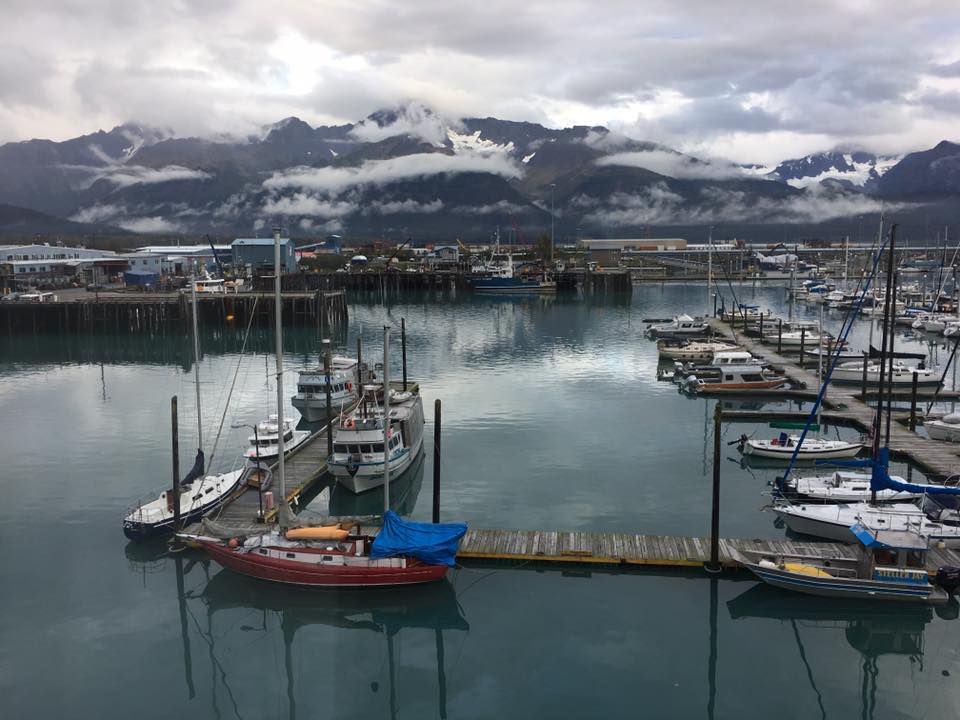
Head south to Seward, the gateway to Kenai Fjords National Park. This small town offers breathtaking landscapes and plenty of outdoor adventures.
- Day 3 Activities:
- Explore the Exit Glacier on a short hike or join a ranger-led walk.
- Take a stroll along the Seward Waterfront.
- Day 4 Must-Do:
- Embark on a Kenai Fjords boat tour to witness glaciers calving into the sea and spot wildlife like puffins, sea lions, and whales.
- Where to Stay: Book a cozy cabin or stay in town. We recommend Harbor360 Hotel.
Day 5-6: Homer and the Kachemak Bay Area
Drive along the scenic Sterling Highway to Homer, known as the “Halibut Fishing Capital of the World.”
- Day 5 Highlights:
- Visit the Homer Spit, a narrow strip of land extending into Kachemak Bay.
- Explore local art galleries and enjoy fresh seafood at a waterfront restaurant.
- Day 6 Activities:
- Take a water taxi to Kachemak Bay State Park for hiking.
- Join a fishing charter or kayaking tour.
- Fun Fact: Homer offers some of the best sunsets in Alaska, so have your camera ready!
Day 7: Return to Anchorage
Head back to Anchorage, taking time to enjoy the scenic stops along the way. Rest up and prepare for the next leg of your adventure.
- Optional Stops:
- Russian River Falls for salmon viewing
- Cooper Landing for a quick float trip
Day 8-9: Denali National Park
Drive north to Denali National Park, home to North America’s tallest peak. Spend two days exploring this vast wilderness.
- Day 8:
- Stop at the Denali Visitor Center to plan your visit.
- Take a short hike like the Horseshoe Lake Trail.
- Day 9:
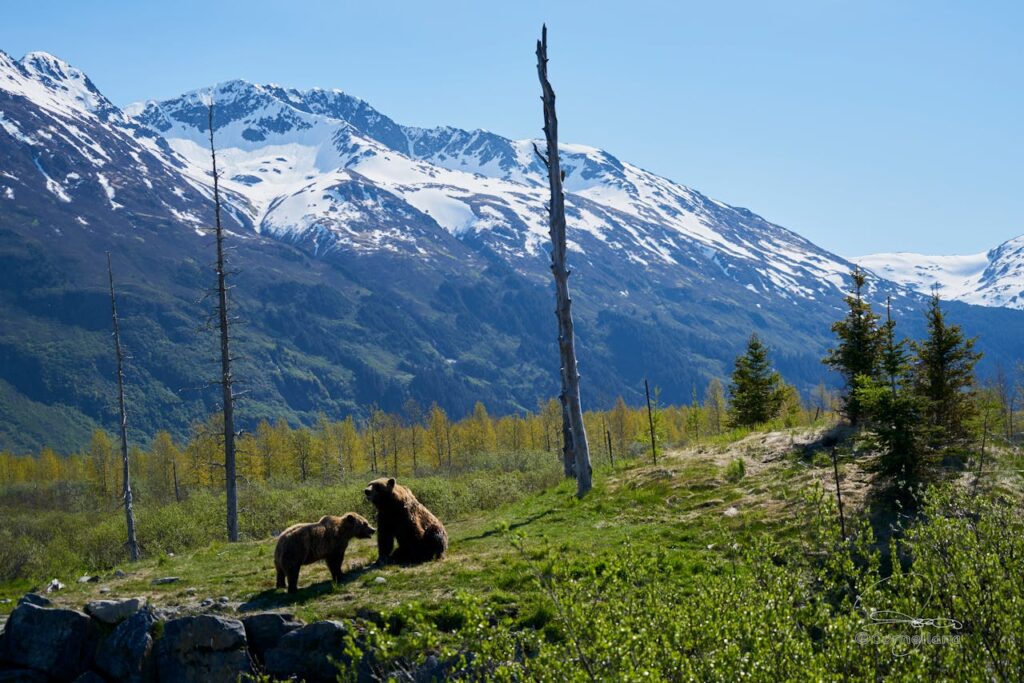
- Hop on a park shuttle bus for a full-day journey deep into the park. You might spot grizzly bears, caribou, and wolves.
- Where to Stay: Consider a cozy lodge near the park entrance.
Day 10: Talkeetna
On your way back south, stop in Talkeetna, a quirky town that’s full of character.
- Things to Do:
- Join a flightseeing tour for breathtaking views of Denali.
- Stroll through Talkeetna’s downtown for unique shops and local treats.
- Where to Eat: Don’t miss the fresh-baked goods at Talkeetna Roadhouse.
Day 11: Matanuska Glacier
Drive east to the stunning Matanuska Glacier, one of Alaska’s most accessible glaciers.
- Activities:
- Join a guided glacier hike for an up-close view of the ice.
- Learn about glaciology and take incredible photos.
- Pro Tip: Dress warmly and wear sturdy boots with good grip.
Day 12: Fairbanks
Make your way to Fairbanks, a city rich in history and known for its northern lights.
- Top Attractions:
- Visit the Museum of the North for fascinating exhibits.
- Take a relaxing soak at Chena Hot Springs.
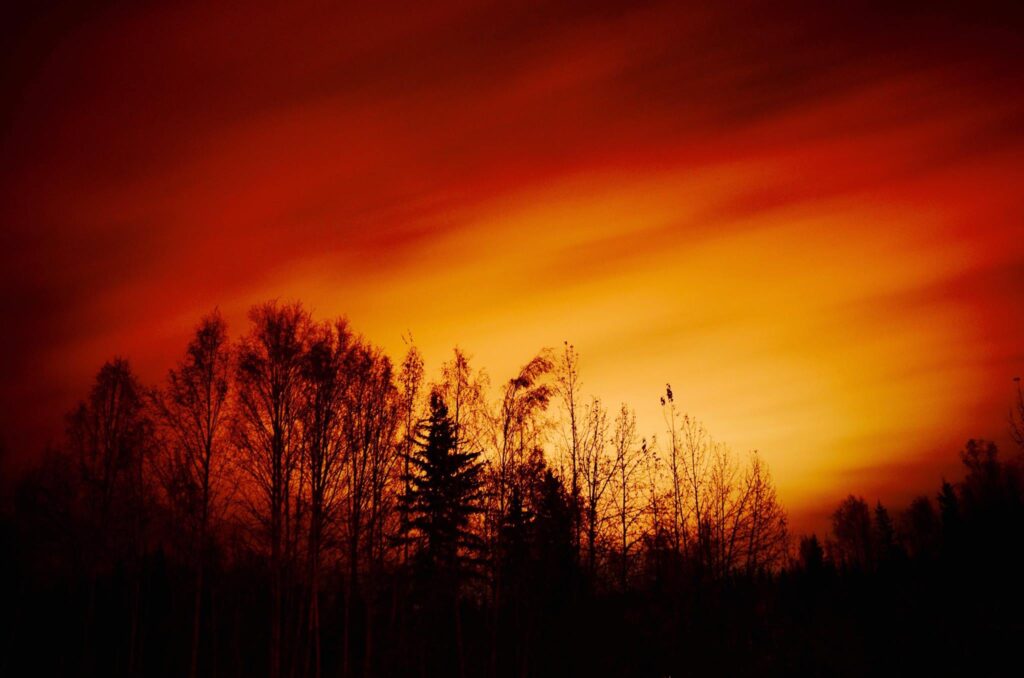
- Northern Lights: December through March is the best time to see the aurora borealis, but Fairbanks offers viewing opportunities as early as September.
Day 13: Arctic Circle Adventure
Take a guided tour to the Arctic Circle, a once-in-a-lifetime experience. Learn about Alaska’s tundra landscape and snap a photo with the iconic Arctic Circle sign.
- Pro Tip: Dress in layers and bring plenty of snacks for the long drive.
Day 14: Return to Anchorage and Depart
Wrap up your Alaskan adventure by returning to Anchorage. Depending on your flight time, squeeze in a last-minute souvenir shopping trip or a relaxing breakfast at a local cafe.
- Final Stops:
- Alaska Native Heritage Center to learn more about indigenous cultures.
Packing Tips for Alaska
- Layer Up: Alaska’s weather can be unpredictable. Pack a mix of warm layers, a waterproof jacket, and sturdy hiking boots.
- Essentials: Don’t forget sunscreen, insect repellent, and a reusable water bottle.
- Photography Gear: Bring a good camera and extra memory cards to capture Alaska’s beauty.
Conclusion
Alaska’s breathtaking landscapes, incredible wildlife, and unique cultural experiences make it a dream destination. This 2-week itinerary offers a perfect balance of adventure and relaxation, ensuring you make the most of your time in the Last Frontier. From exploring glaciers to spotting wildlife, you’ll create memories to last a lifetime. So, pack your bags and get ready for the trip of a lifetime! For more informative articles be sure to visit our other posts here.
FAQs
- When is the best time to visit Alaska?
Summer months (June to August) offer the best weather, but fall and early winter can be magical for northern lights viewing. - How should I get around Alaska?
Renting a car or RV is the best way to explore, but some areas offer train and bus services. - What wildlife can I see in Alaska?
Expect to see bears, moose, eagles, whales, and more. Always maintain a safe distance. - Can I visit Alaska on a budget?
Yes! Opt for budget accommodations, plan meals wisely, and take advantage of free hiking trails. - Do I need special gear for glacier hikes?
Some tours provide gear, but sturdy boots, warm clothing, and gloves are essential for safety.
Average Cost for a 2-Week Trip to Alaska
Planning a two-week adventure in Alaska comes with varying costs depending on your travel style, but here’s a rough breakdown of what you can expect:
- Flights: Round-trip tickets to Alaska can range from $400 to $800 per person, depending on the season and your departure location.
- Accommodation: Budget travelers can spend around $1,200–$1,800 for two weeks in a mix of hostels, cabins, or motels. Mid-range hotels or lodges can cost $2,500–$3,500 for the trip.
- Transportation: Renting a car for 14 days will cost approximately $600–$1,200, plus fuel. Alternatively, RV rentals might range from $1,500–$2,500.
- Food: Dining out and groceries can cost $50–$70 per day per person, totaling $700–$1,000 for two weeks.
- Activities and Tours: Budget $1,000–$2,000 for popular experiences like glacier hikes, wildlife tours, and national park shuttles.
- Miscellaneous: Souvenirs, park entrance fees, and tips may add $200–$400 to your budget.
Total Estimated Cost: For two weeks, expect to spend around $3,500–$5,500 per person for a budget-friendly trip. A more comfortable mid-range vacation may cost $6,000–$9,000 per person.