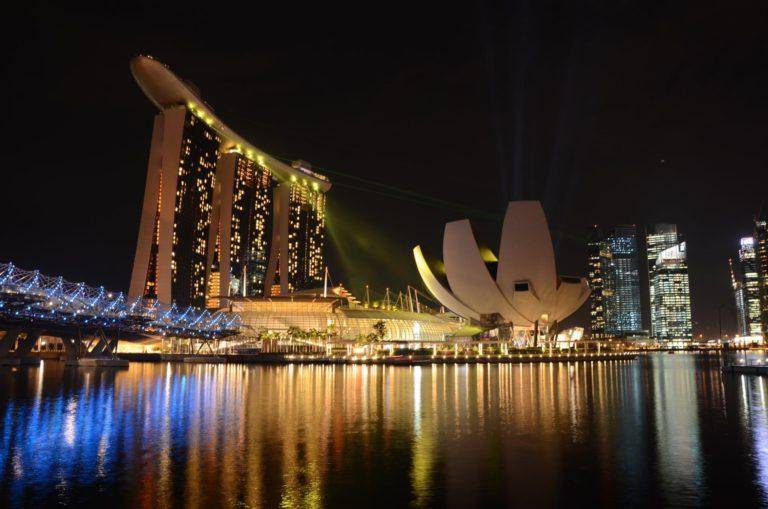
Singapore is one of the most tourist friendly cities in the world and below are the 5 best places you must visit when in Singapore.
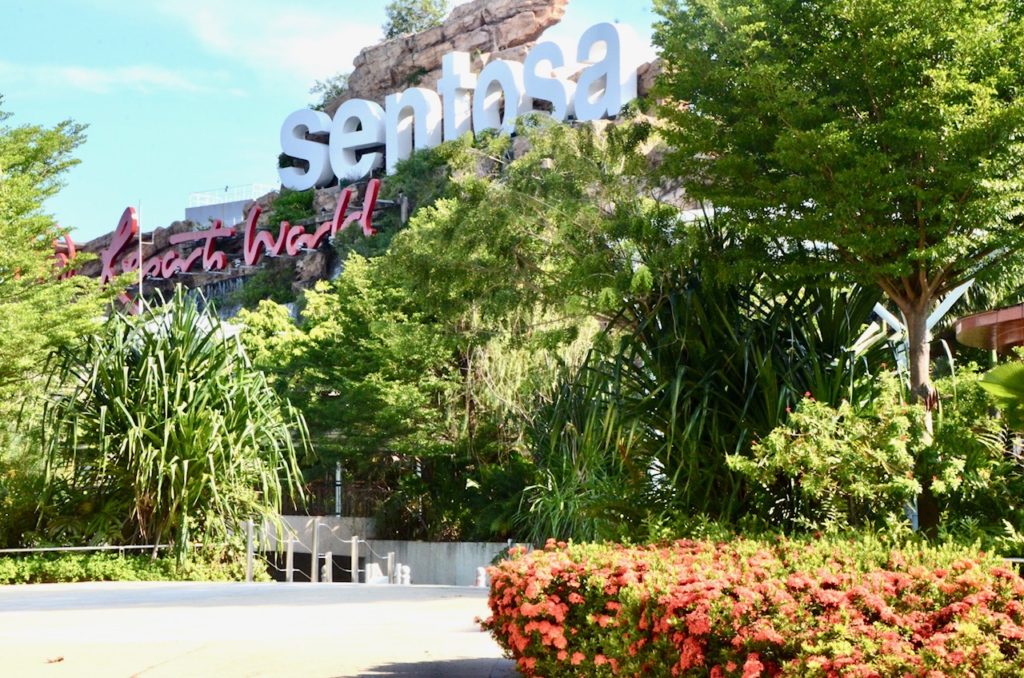
Sentosa
Sentosa Island is a 1236 acre island resort in Singapore which hosts major tourist attraction and offers a hive of activities with museums ,historical sights, theme parks ,nature trails and sporting activities. The Island has an excellent transport network and all the sights are easily accessible. A monorail network Sentosa Express links Harbor front ,Vivocity and St James Powerhouse MRT stations to Beach and Imbiah stations .It also links sights within the Island.Resort world Sentosa a major family attraction with a vast Oceanarium covers a large part of the Island.Other top attractions in Sentosa Island include Universal Studio,Adventure cove waterpark,Palawan Beach,Siloso Beach,Madame Tussauds Singapore,Singapore cable car ,Tiger Sky Tower,S.E.A Aquarium ,Dragon Trail,Merlion walk, Fort Siloso.
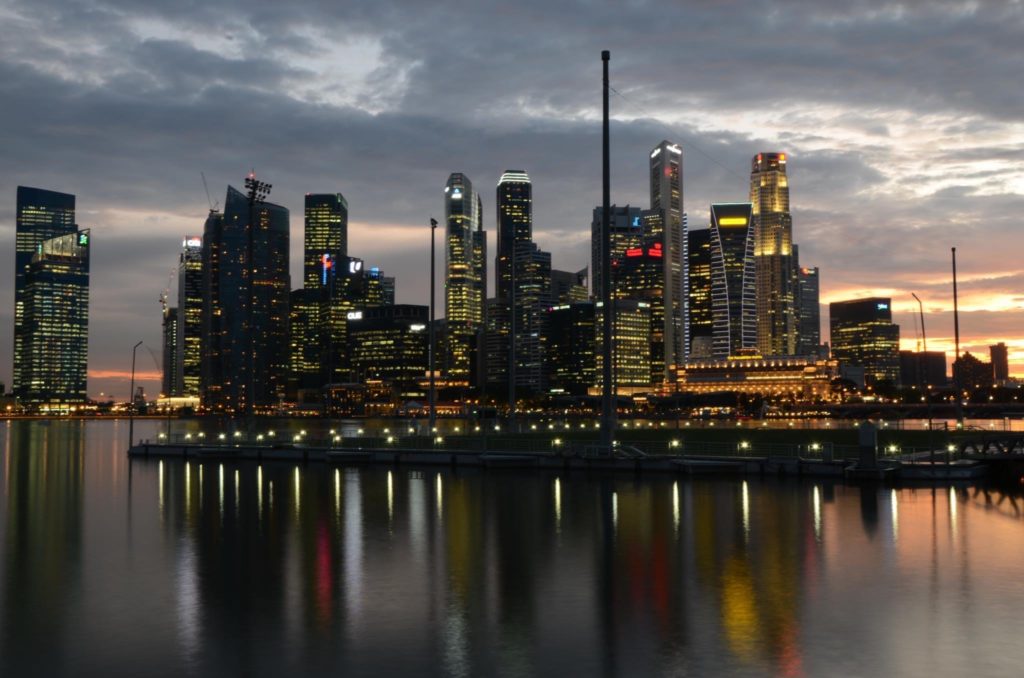
Marina Bay
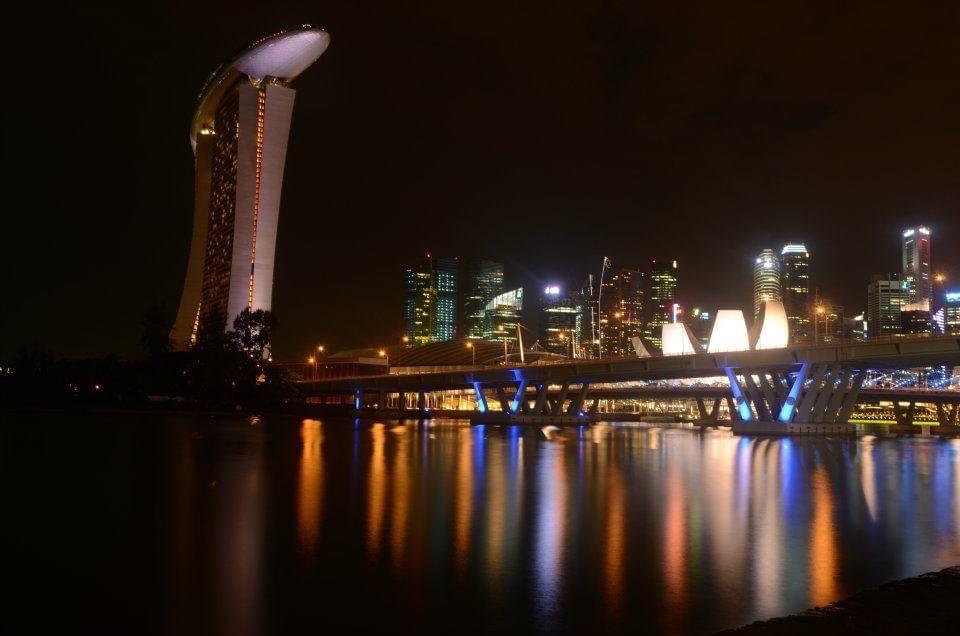
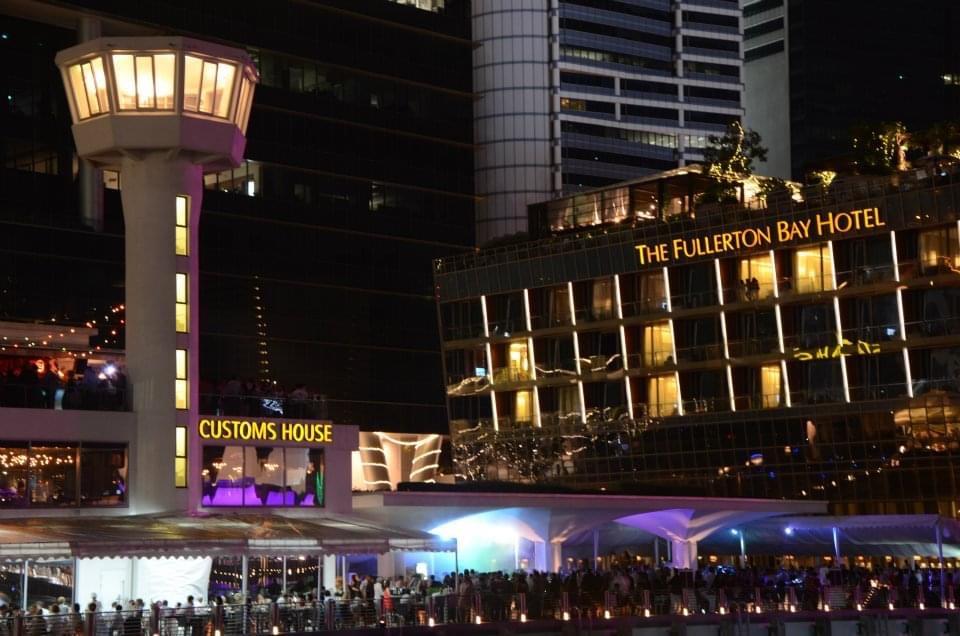
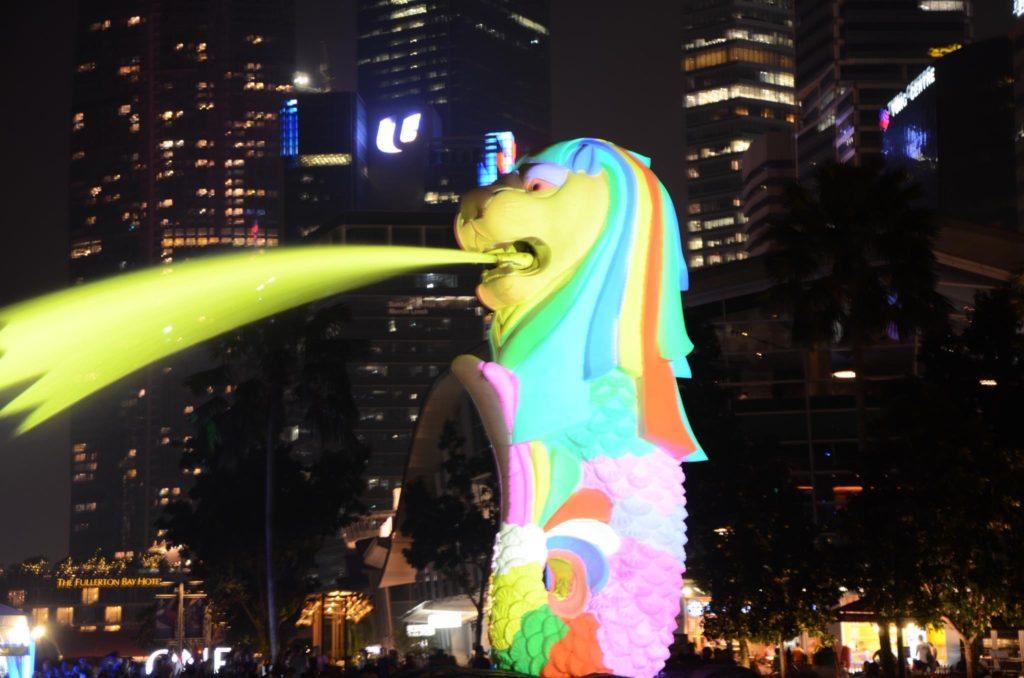
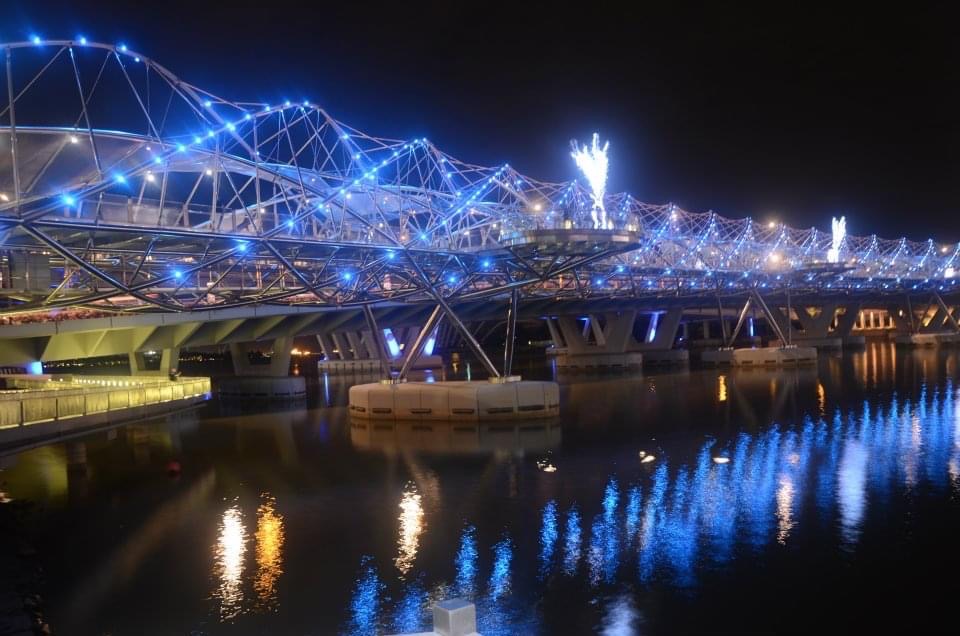
Marina Bay is the hub of tourist’s attractions. This places is now the de facto city center of Singapore offering plethora of fun activities for visitors from different spectrum. The half mermaid-half lion mythical symbol of Singapore, the famous Merlion is located in Marina Bay however the focal point is of the place is Marina Bay Sands resort.
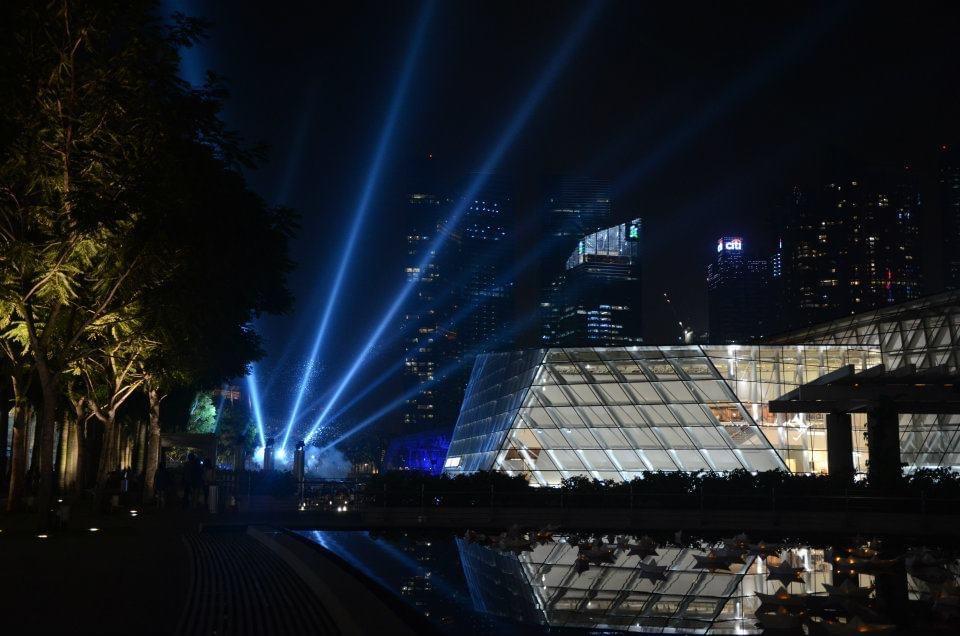
You can enjoy the panoramic view of the Singapore’s gorgeous skyline at the Marina Bay Sands or try your luck at the enormous 15,000-sq-m Marina Bay Sands Casino. Marina Bay Sands also hosts the award winning magnificent Spectra light shows from 8 pm daily.
A rooftop restaurant CE LA VI is on the 57th floor of Marina Bay Sands you can enjoy an uninterrupted views of the city and bay while enjoying modern Asian cuisine and signature cocktails or you can dine at Gardens by the Bay .
Gardens by the Bay is an awe-inspiring innovative park featuring giant manmade tree structures called the ‘Supertree Grove’ which also houses a restaurant. The Singapore Flyer one of the world’s largest observation wheels is also a perfect way getting a great view of that stunning Singapore city skyline.
If you have some extra hours in hand, you can also visit the ArtScience Museum in Singapore which is also a landmark of Singapore in Marina Bay.
Singapore Zoo
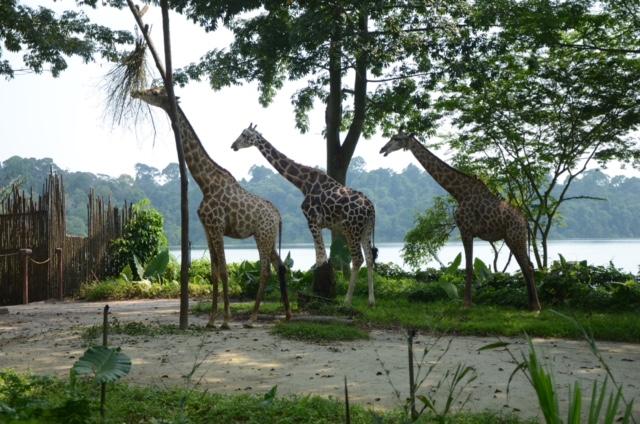
A trip to Singapore is incomplete without a visit to the zoo. We usually do not visit zoo abroad but with a stellar reputation Singapore zoo is one of the international zoo animal lovers should aim to visit should time permit.
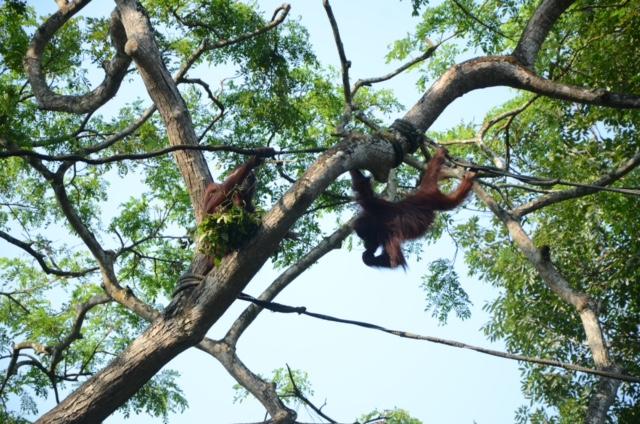
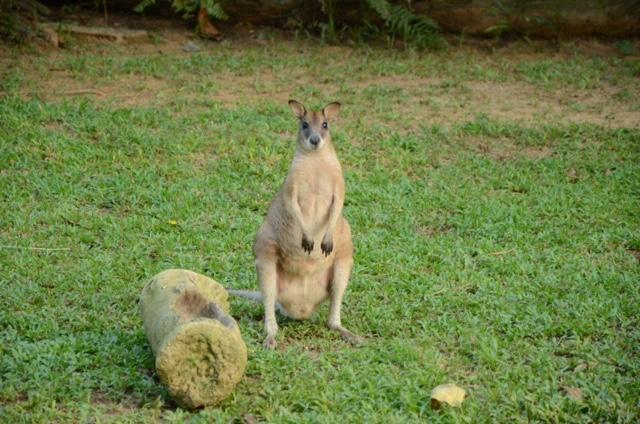
It is ranked as the 4th best zoo in the world. Singapore zoo is one of the world’s few open zoos that simulate the natural habitat of the animals and they roam freely in the landscaped enclosure. Singapore Zoo is spread over 69 acres and houses 3000 animals across 315 species.
Several of them are rare like white tiger, clouded leopard while some of them are endangered like Malay tiger, Comodo dragon. There are a number of exhibits to enjoy from like Wild Africa, Fragile forest.
There is also children’s petting zoo and aquarium offering a underwater view od animals. If you have time to visit at night you can visit the Night Safari which is a night zoo and a wildlife park next to Singapore zoo.
China Town
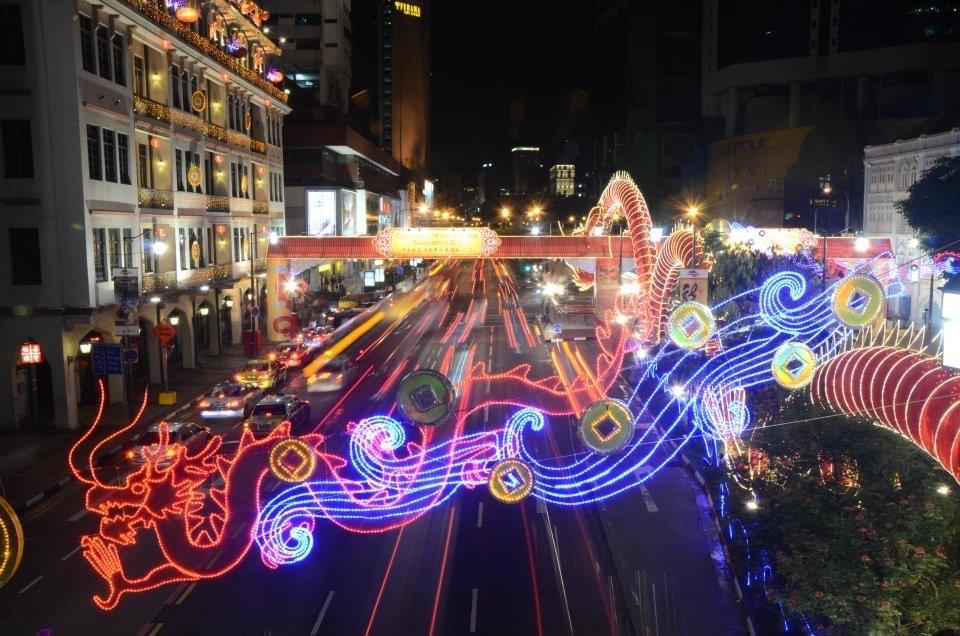
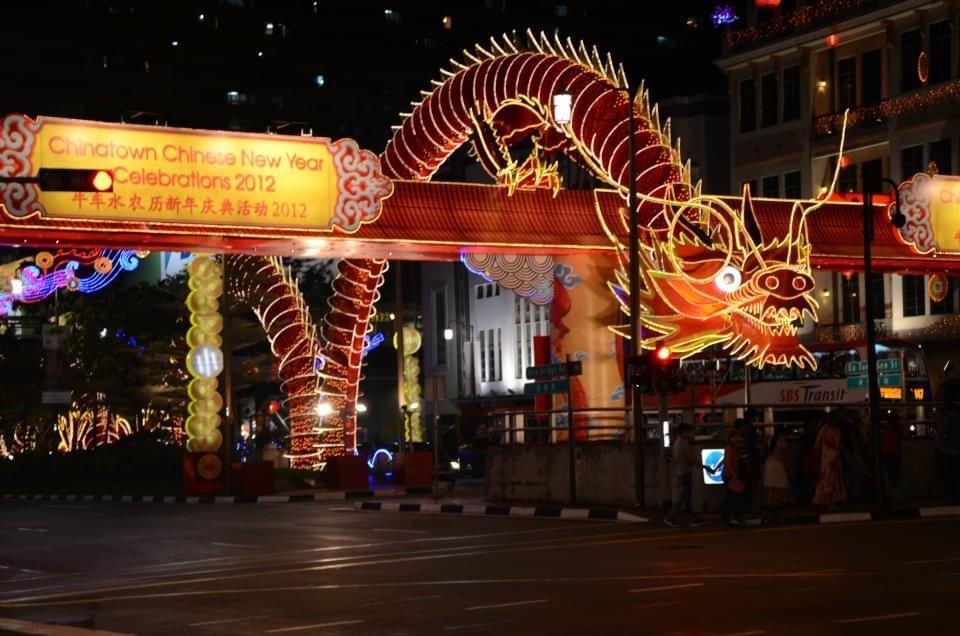
The best place for cultural immersion of Singapore is China Town in Outram district. It is a popular place to visit for tourist offering delicious food, stunning temples and fantastic shopping opportunities. Strolling down the vibrant streets of Chinatown you will notice this place is a sharp contrast to the rest of the modern city with sky scrapers. You can enjoy authentic flavorsome, good quality Chinese cuisine at reasonable price from Chinatown’s Street markets.
Hawker centers are best destination to enjoy authentic flavor of Chinese cuisine. The Chinatown Complex Food Centre is the biggest and one of the best hawker centers of the city. Maxwell Food Centre is also widespread with both the Singaporeans and tourists.
Bustling streets are lined with shops and stalls including Pagoda Street, Trengganu Street and Temple Street. These pedestrianized strips once had opium smoking dens but now is home to bargain shops and stall selling items like souvenirs, traditional Chinese medicine and other traditional items like silk clothing, fancy chopsticks.
There a number of historical and cultural landmarks to be explored as well. Singapore’s oldest Chinese temple, Thian Hock Keng Temple, Sri Mariamman Temple, the first Hindu temple in Singapore, the relatively new but majestic five storey Buddha Tooth Relic Temple, museum like Chinatown Heritage Centre which detail the history of Singapore’s first Chinese immigrants., Masjid Jamae the oldest mosque in Singapore which is the only mosque in the city to offer services in Tamil is worthy of mention.
Bugis
If you are in need of retail therapy but are on a budget then head to Bugis Street. Bugis Street Market is the biggest and cheapest place in Singapore to go for shopping. Whether you are looking for souvenirs to carry back with you or buy any trendy outfit Bugis Street market is loaded with all kind of products like electronics, houseware, cosmetic cloths accessories to souvenirs. Ages ago internationally famous for seedy nightlife Bugis Street has now reformed into a family friendly bustling hub with lively pub, fine dining and trendy cafes besides shopping. Before you head out to explore these shopping options, make sure to check out our Singapore trip budget calculator to help you plan your expenses effectively.See our other post for more fun and exciting places here.
Northern Ireland has some of the best caves in the world. One of the best is called Caves of Cushendun.
Caves of Cushendun
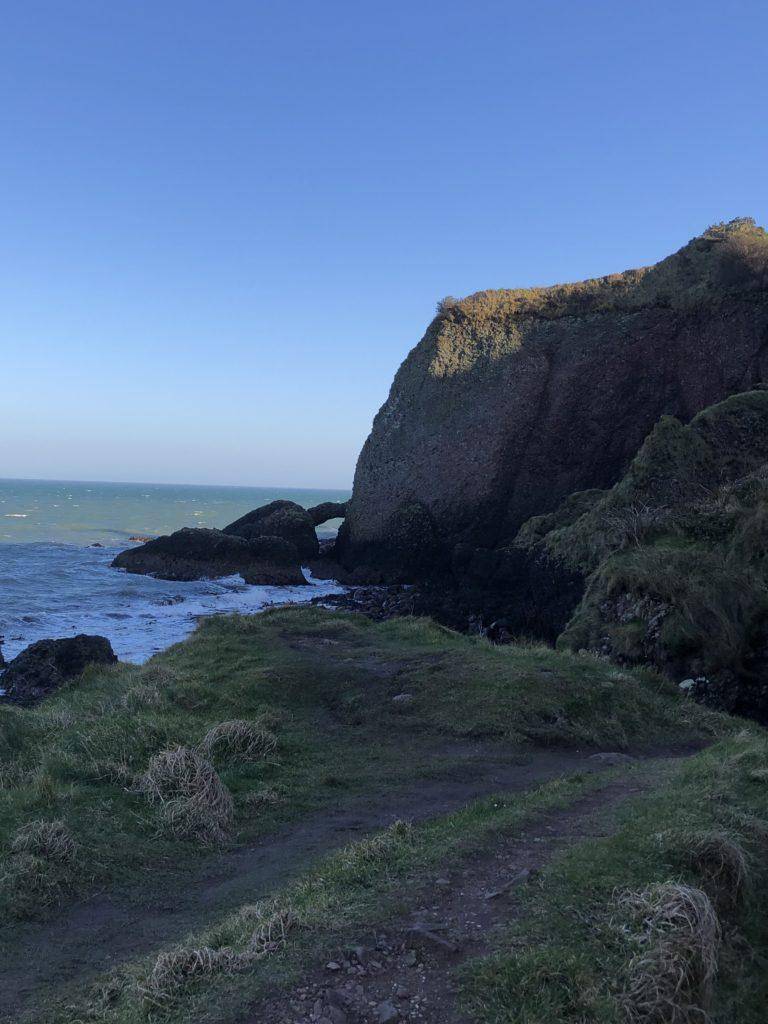
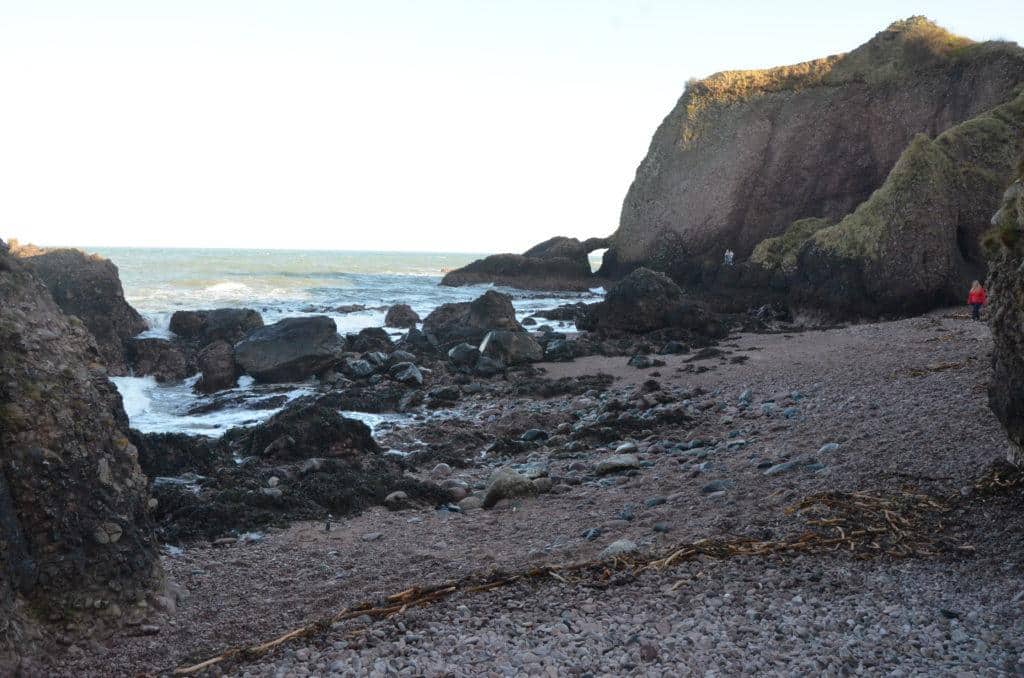
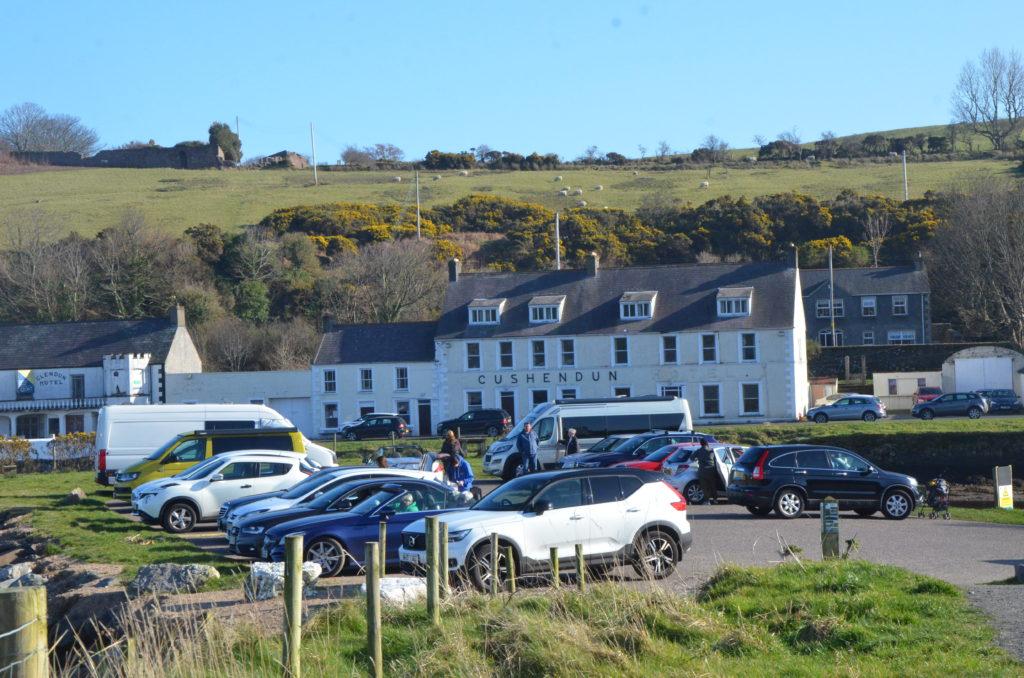
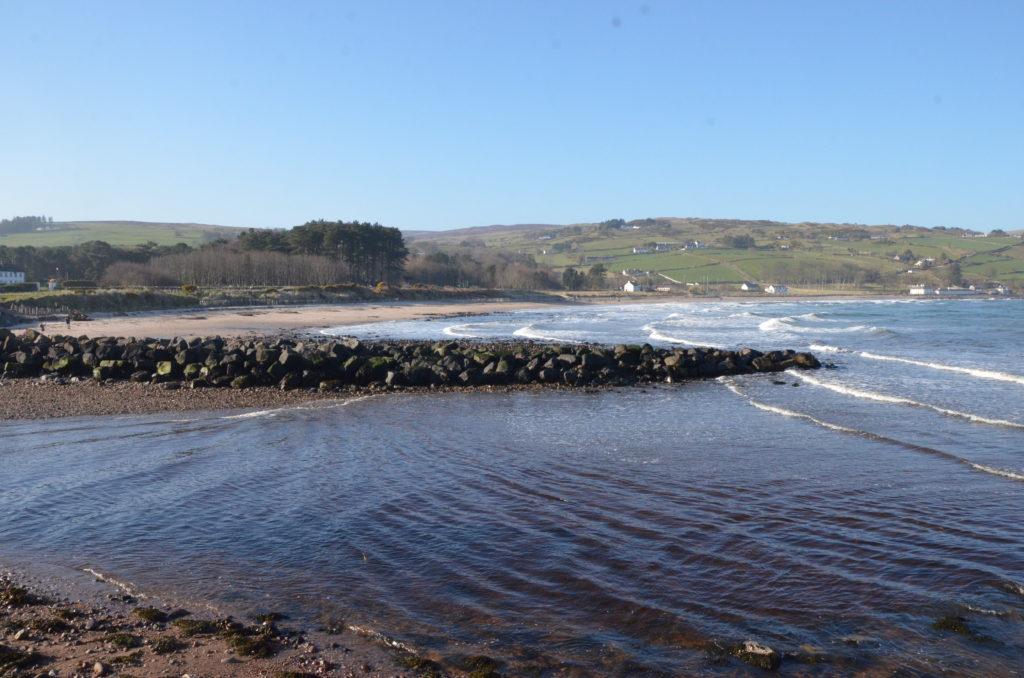
While driving through the Causeway Coastal Route between the Cushendall and Ballycastle lies the pretty quaint coastal village of Cushendun which has the famous Caves of Cushendun. We stopped at the village to enjoy the magnificent view of the coast and the village’s tranquil harbor in a balmy morning.
About Cushendun Village
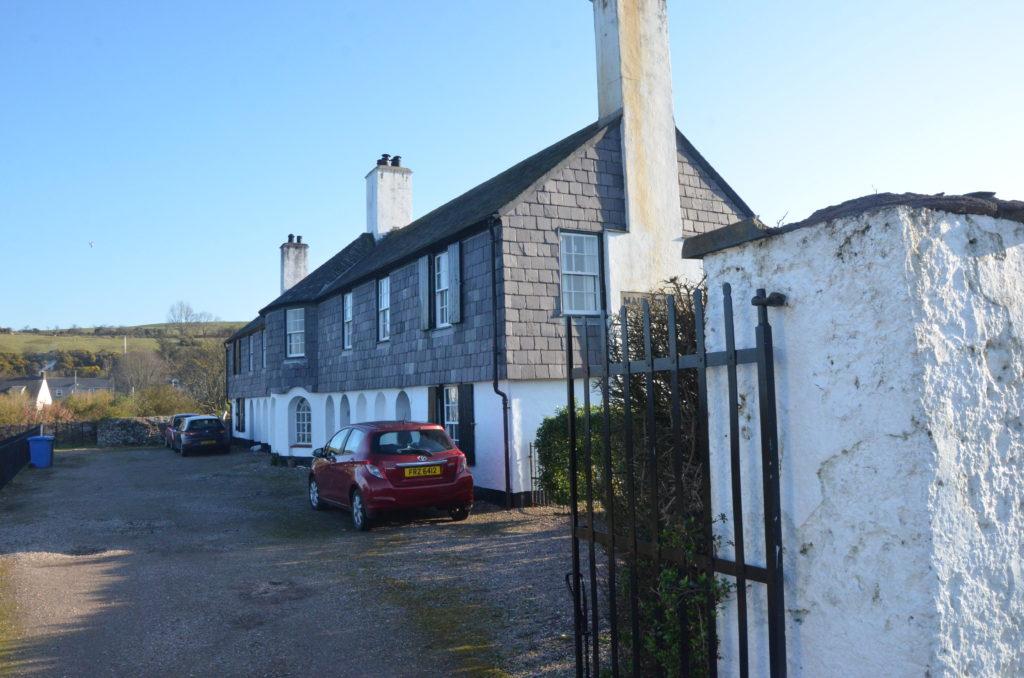
Cushendun village was built at the mouth of river dun where it meets the wild Atlantic Ocean, and it sits on the on the glacial outflow of Glendun and Glencorp. The historic village is intriguing and is rich in folklore. The harbor and beautiful beach are surrounded by hill farms, hedgerows, and traditional dry-stone walls. Cushendun has been the crossing point between Ireland and Scotland for many centuries. Till 1803 a ferry operated between Cushendun and Mull of Kintyre. The village is maintained by the National Trust and is significant for its breath-taking scenery, dramatic caves carved by the sea and exquisite white Cornish style cottages designed by architect Clough Williams-Ellis.
Things to Enjoy
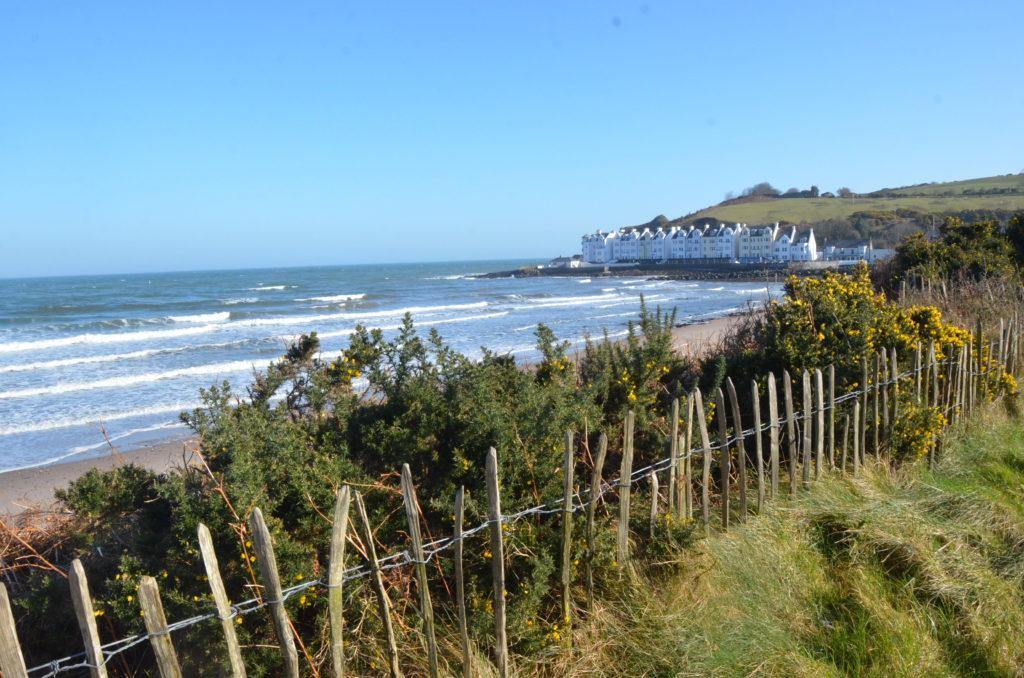
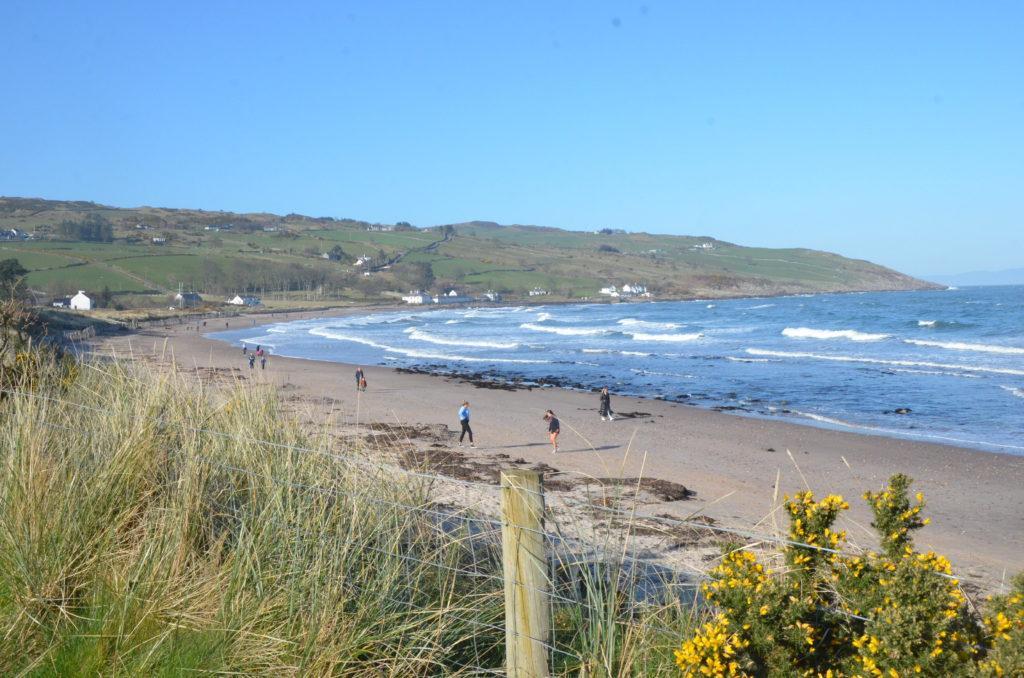
- You can enjoy the beach at Cushendun. It has a pristine sandy beach and calm inviting water. It was exceptionally blue that day with a slight green undertone. On a clear day Mull of Kintyre is visible from the beach. One side of the beach is adorned by gorse plant (locally knows as whins) and its yellow flower which is a dominating feature of the countryside in springtime.
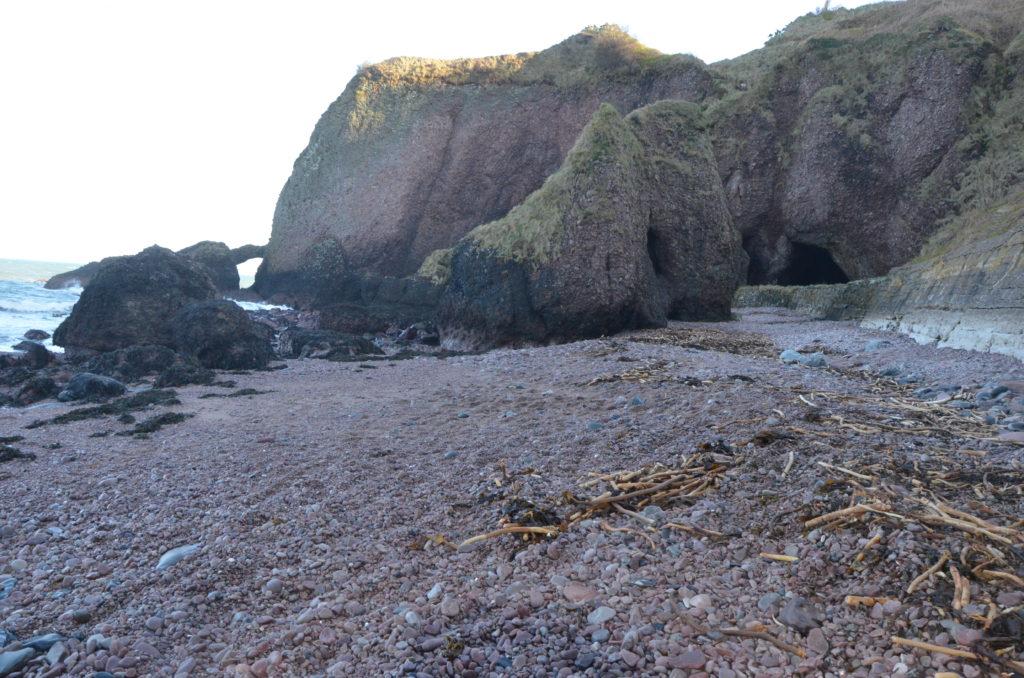
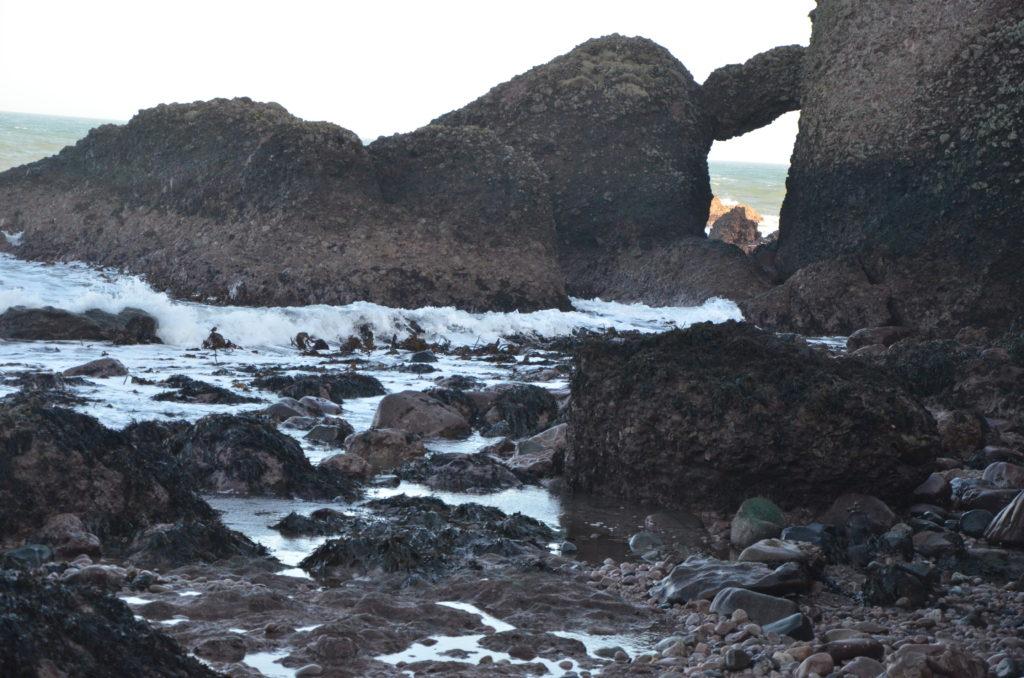
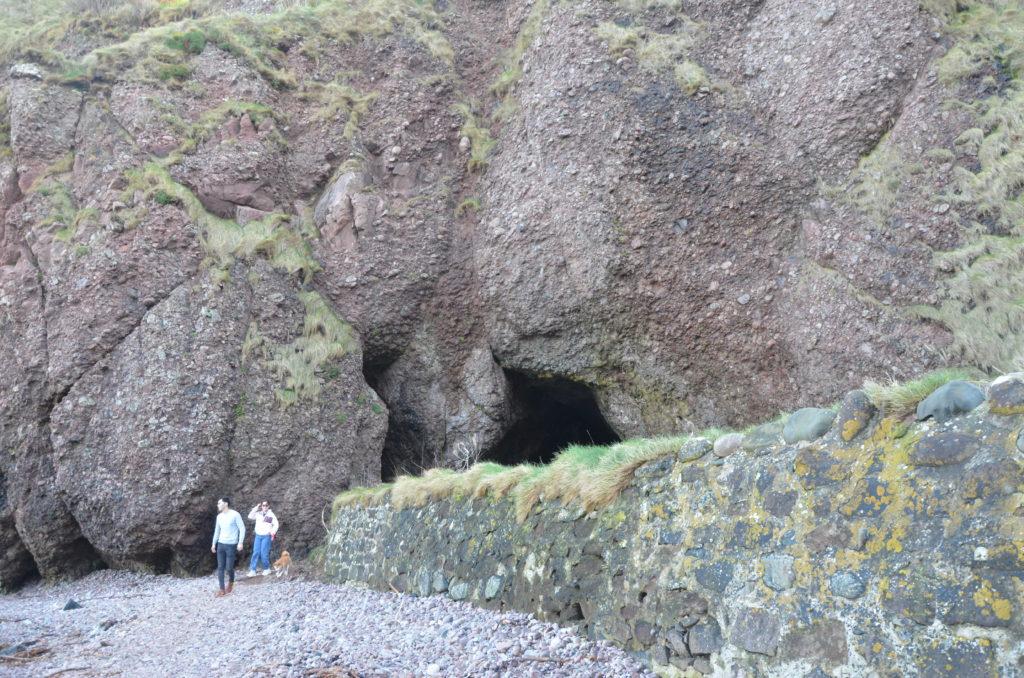
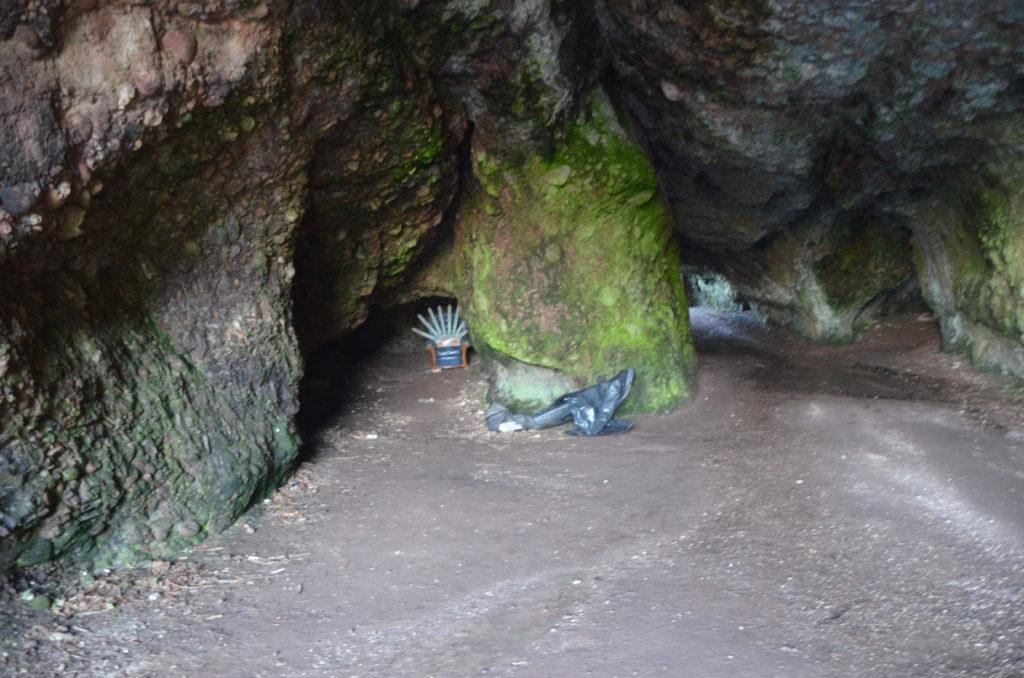
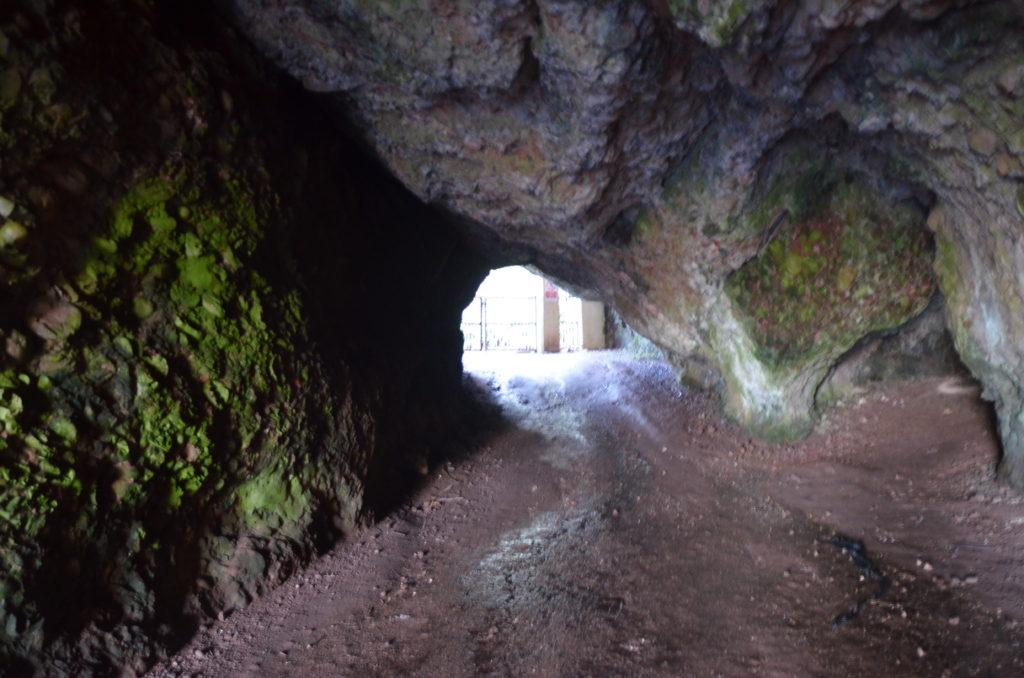
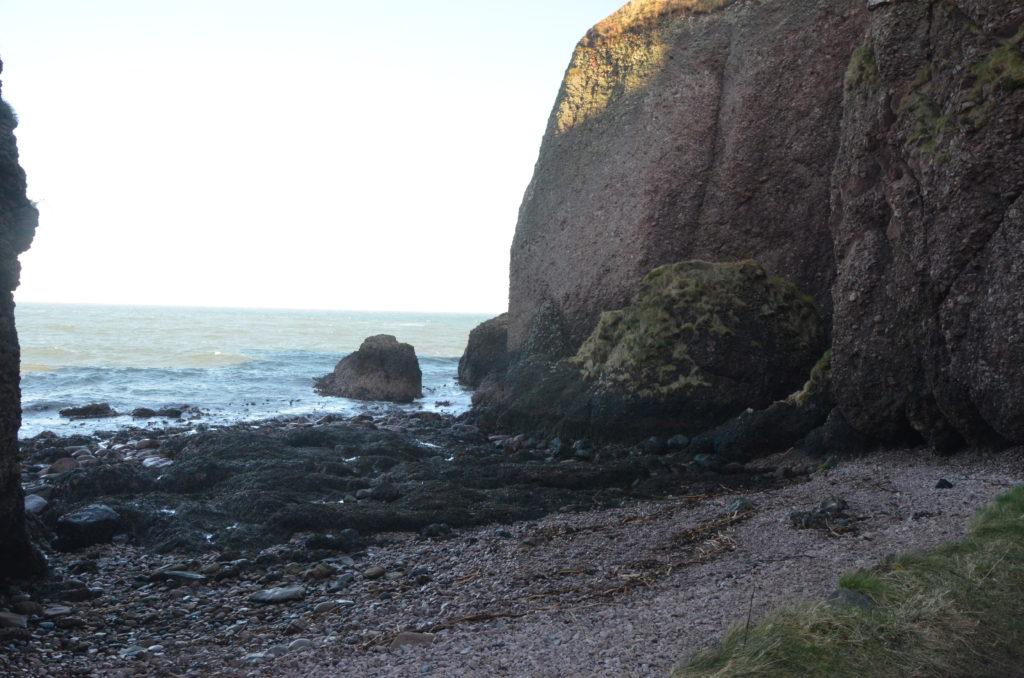
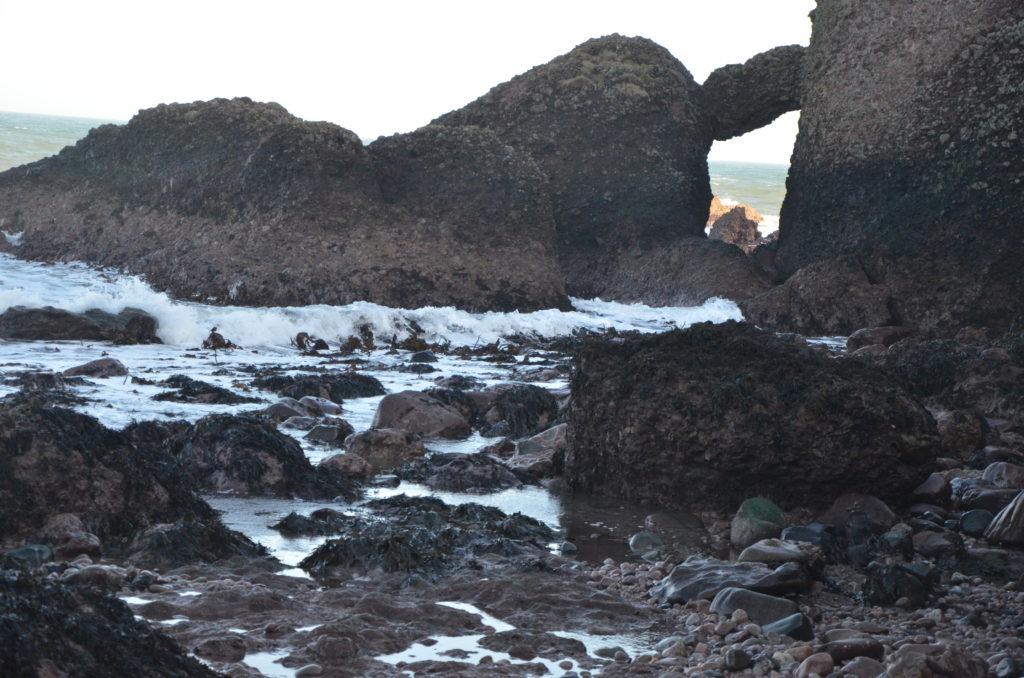
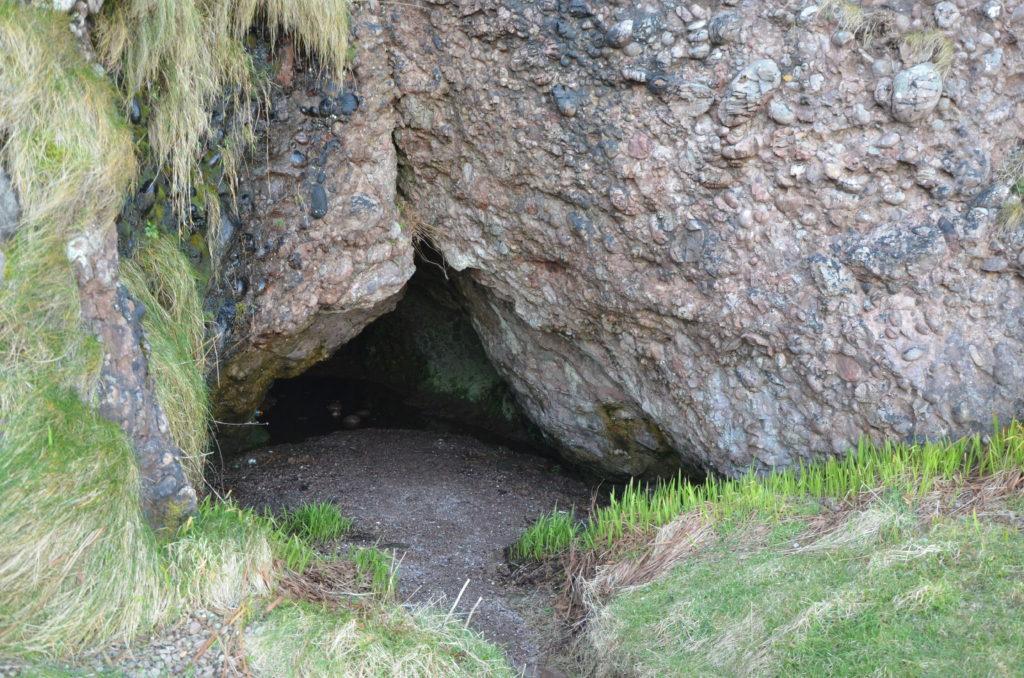
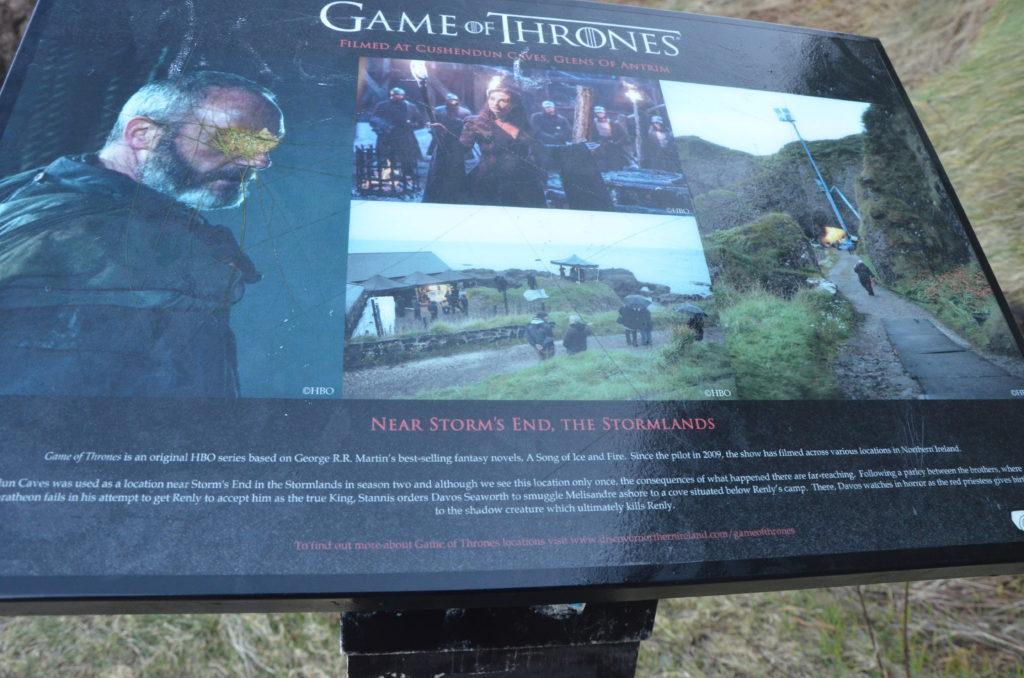
- The Red Caves: Caves are at the southern end of Cushendun beach. It is 5 mins walk from the bridge over the Glendun river in the village. There is no signpost so walk towards the Fisherman’s Cottage. The Cushendun Caves is one of the many shooting locations of Games of Throne in Northern Ireland. The Caves of Cushendun formed the backdrop for the Stormlands and a couple of important scenes from the series in season 2 and again in season 8 were shot here. Undoubtedly one of the most spectacular of the formations ,Devonian puddingstone at Cushendun were formed over 400 million of years of extreme weather conditions.
- Glen Viaduct : The Glendun Viaduct known locally as ‘The Big Bridge’ s is reputed to be one of the finest structures of its kind in The British Isles. It spans the river Dun in the Glens of Antrim one of the most beautiful and scenic drives in the world. It was designed by Charles Layon an architect famed for designing many other well known buildings such as Queen’s University ,Crumlin Road Gaol
- Cregagh Wood :An ancient woodland site .You can spot some rare red squirrels here. The red squirrel is believed to have been present in Ireland since the end of the last Ice Age
- Carra Castle Ruins : Castle Carra was built probably during early 14th century. owned by the self-proclaimed Earl of Ulster Shane O’Neill. A recent excavation of the site of Castle Carra revealed that it had, in more recent times, been the site of a burial place for unbaptized children.
- Hiking Trails : There are a few hiking trails nearby like Ronans way hike ,Dungonnell Way trail.
Before hiking in the stunning Glens of Antrim near Cushendun, make sure you’re prepared! Here are some of our top picks to consider:
-
Sturdy hiking boots (amazon affiliate link)
-
Lightweight rain jacket (amazon affiliate link)
-
Reliable portable charger (amazon affiliate link)
-
Handy travel guidebook for Northern Ireland (Getyourguide affiliate link)
How to get to Caves of Cushendun
From Belfast city it takes around 1 hour 10 mins via car. If you’re traveling from Belfast, renting a car gives you maximum flexibility for exploring the Antrim coast. Check deals on car rentals via Kiwitaxi (affiliate link).
This is a shorter route which goes from Belfast to Cushendun via Ballymena and Cushendall . You can also take the longer scenic coastal route via Carrickfergus, Larne, Carnlough, Cushendall and then to Cushendun which takes around 1.5 hours.
Accomodation at Caves of Cushendun
1. Strand House: You can stay at the Strand House just north of the village of Cushendun .Some of the dramatic locations surrounding the cottage was used as the shooting location of the Game of Thrones series
Contact – Tel+44 (0) 344 800 2070
https://www.nationaltrust.org.uk/holidays/strand-house-northern-ireland
2. Maud Cottages : A terrace of four houses on the village seafront (and with views across to Scotland when the weather is sufficiently clear), they are of two storeys, the lower white-washed, the upper slate-fronted with a lovely bow at the centre of the block.
Travel Insurance
Don’t forget travel insurance for peace of mind while visiting Northern Ireland! Compare plans and get a quote on Travelpayouts (Visitor coverage affiliate link).
If you enjoyed this article there are more such other interesting places view our other posts here.
Blackhead Lighthouse Overview
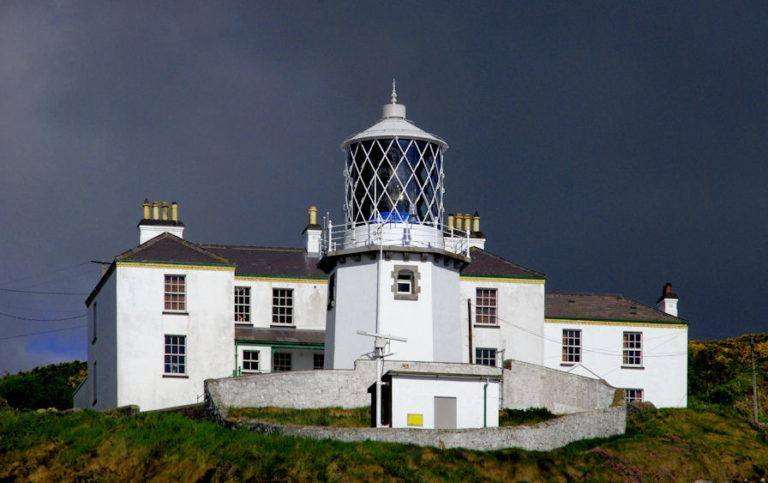
Blackhead Lighthouse is among the dozen lighthouses that make up the “Great Lighthouses of Ireland’. It stands atop the basalt cliff of Islandmaghee overlooking the Belfast Lough just 20 miles north of Belfast. Operational from 1st April 1902 this lighthouse is an example of Belfast’s proud maritime heritage which has also helped guide the ill-fated Titanic on the first leg of its maiden voyage.
The light house is automated at present and the house of the light housekeeper was refurbished by the Irish Landmark Trust. These beautifully restored homes are now available as holiday accommodation.
The Lighthouse is accessible by foot along the scenic Blackhead Path from the town. There is a private access road to the lighthouse about 4 km north-east of Whitehead which can be taken but for the public it is only accessible by foot (Google map will only take you to Black Head Path, if you wish to take the alternative routine search the address of the Blackhead Lightkeeper’s house).
Visiting hours and Admission
-
The coastal path and lighthouse grounds are generally open 24 hours a day, every day.
-
Entry to the path and views around the lighthouse is free of charge (no admission fee).
What to Know
-
While you can walk the public path to the lighthouse at any time, the actual road leading directly to the lighthouse is a private road, accessible only to residents.
-
The usual route is via Blackhead Coastal Path — starting from a car park in the village of Whitehead.
-
The walk includes some steep steps and cliff-top paths, so sturdy footwear is advisable.
✅ Recommendations
-
Visit during daylight hours — while access nominally is 24/7, there are no lights along the coastal path, so walking in the dark may be unsafe.
-
The start from Whitehead Car Park is the recommended way to go.
-
For the best experience — bringing water, a jacket, and suitable shoes is wise
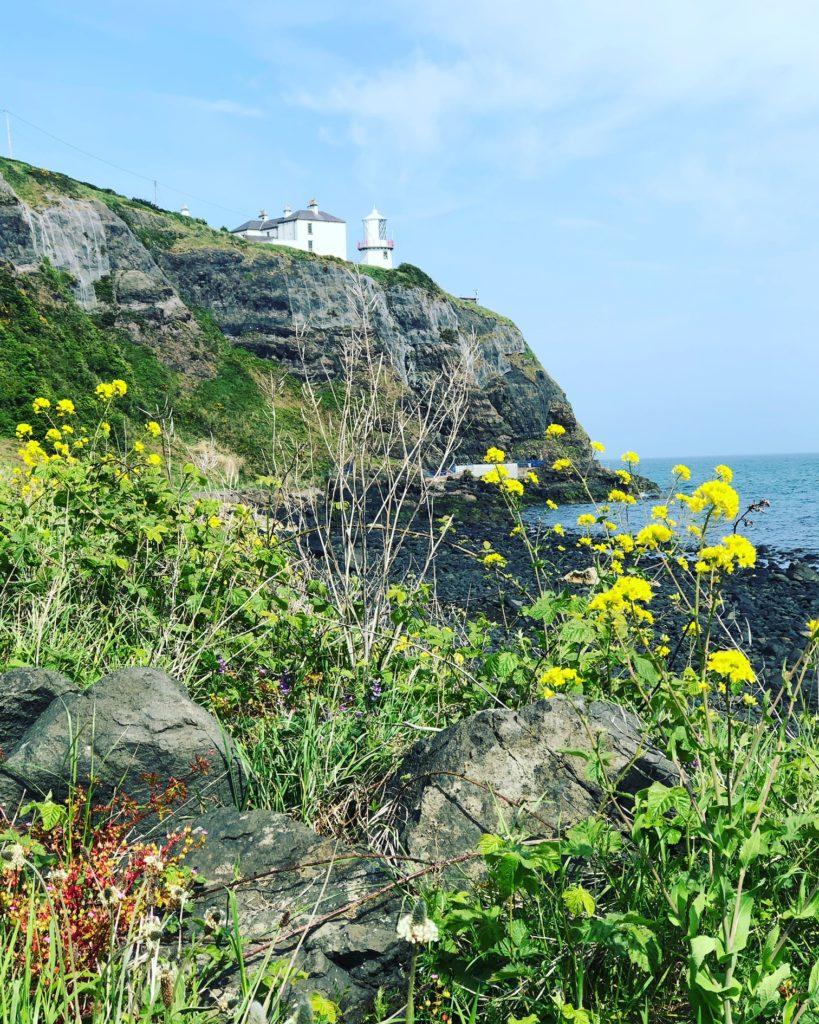
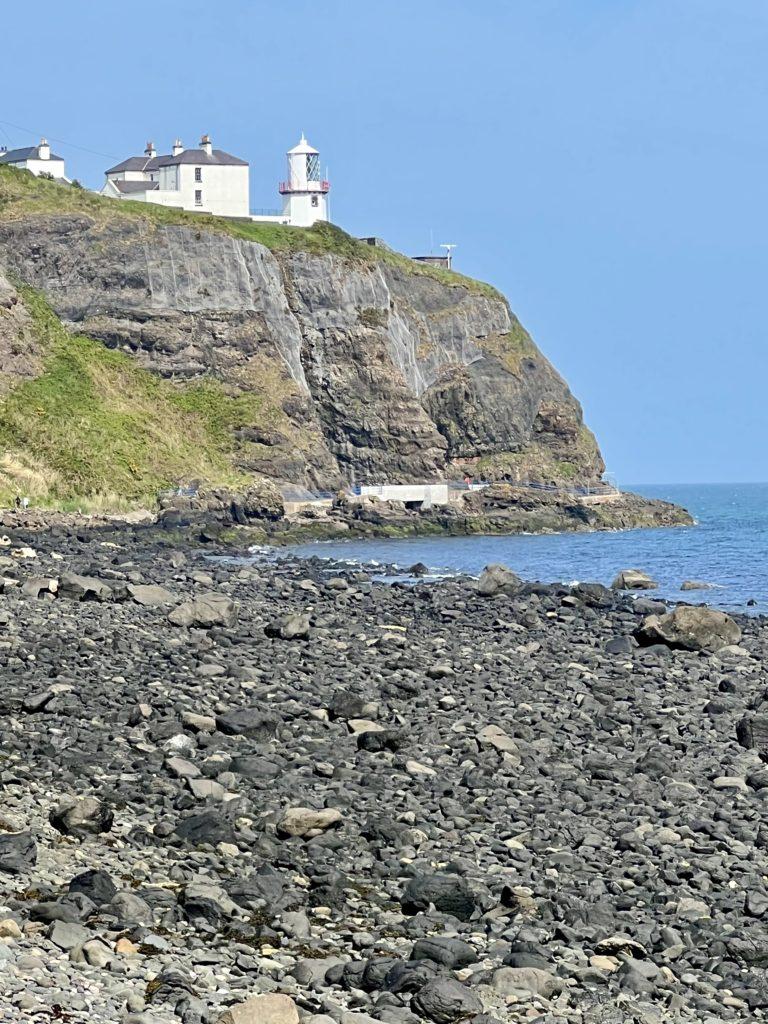
One of the best things about Belfast is that within a short drive you can discover a completely different world. From the bustling city center of Belfast, it only takes 35mins of drive or 40 mins train journey to reach the iconic landmark Blackhead Lighthouse at Whitehead, the pristine late Victorian and Edwardian seaside resort.
How to get there
There are four ways to get to Whitehead from Belfast by train, bus, taxi or car.
Operated by Translink UK, the Belfast to Whitehead train service departs from Belfast Lanyon Place and arrives in Whitehead Services departs hourly, and operates every day. The journey takes approximately 35 min.
There is a direct bus departing from Belfast Royal Avenue Tesco and arriving at Whitehead. Services depart five times a week, and operate Monday to Friday. The journey takes approximately 1h 1m.
The quickest way to get from Belfast to Whitehead is taxi which costs £35 – £45 and takes 22 min.
The cheapest way to get from Belfast to Whitehead is to drive which costs £2 – £4 and takes 22 min
How to book accomodation
Blackhead Lightkeeper’s House: Lighthouse keeper’s house now available as tourist accommodation.
Email: [email protected]
https://www.irishlandmark.com/book/?propID=747
Some popular Air B&B
- The Water’s Edge in Glenarm won Northern Ireland’s best overnight stay at the 2018 Tourism NI Awards.
Email [email protected]
- Oranmore Guest House and Tearooms,Ballymena
Email – [email protected]
https://oranmorehouse.com/contact/
- The Adair Arms ,Ballymena , a boutique hotel designed by Charles Lanyon ,the architect responsible for Queens’s University Belfast’s main building and the Palm House at the Belfast Botanic Garden
The Dobbin’s Inn ,Carrickfergus
Book Your Stay at Blackhead Lighthouse
Irish Landmark Trust — the lightkeepers’ houses
Blackhead’s dramatic cliff-top keepers’ houses are managed and let by the Irish Landmark Trust as self-catering holiday properties. There are three restored properties at Blackhead (Lightkeeper’s House 1, Lightkeeper’s House 2, and the Cutter) that sleep groups/families and keep much of their original character — exposed beams, maritime memorabilia, open fires and lawned garden areas. These make an atmospheric base for coastal walking, birdwatching and short breaks near Whitehead (about 40 minutes by train from Belfast).
Pricing & minimum stay
-
Typical minimum stay: 2 nights (Irish Landmark Trust standard; special dates may have different rules).
-
Price range: prices vary seasonally and by property. As a ballpark, national roundups have quoted from about £350–£400 for two nights (example listing cited £367 for two nights in a 2024/25 travel round-up); exact rates must be checked on the booking pages for your dates. Prices on commercial sites (Airbnb/Booking) may differ because of cleaning/service charges. Always check the Irish Landmark Trust pages for the most accurate availability and base rates.
What’s included
-
Fully equipped kitchen, linens, towels, heating and basic utilities (each property page lists the exact inventory).
-
On-site parking for two cars at some properties and a small lawned garden with outdoor furniture.
-
Local information pack and contacts for questions — Irish Landmark Trust is a conservation charity, so stays contribute to the upkeep of these historic buildings.
Booking links & how to reserve
-
Official Irish Landmark Trust listings (best place to check availability and book): Blackhead Lightkeeper’s House 1 / 2 / Cutter (see the Irish Landmark Trust property pages).
-
You’ll also find occasional listings on Airbnb/booking platforms (prices and cancellation terms vary). For authenticity, book via Irish Landmark Trust if you want the charitable/heritage experience.
Blackhead Lighthouse vs Other Great Lighthouses of Ireland
(quick, useful comparison for searchers and travellers)
Blackhead (Co. Antrim)
-
Built c.1901–1902, perched on cliffs at the mouth of Belfast Lough; great for coastal walks, easy access from Whitehead and strong links to Belfast’s shipbuilding past. Good for stays in restored keepers’ houses and short visits from Belfast.
Hook Head (Co. Wexford)
-
One of the oldest intact operational lighthouses in the world with a visitor centre, guided tours, cafe and a strong medieval-history angle — it’s visitor-friendly and well set up as a tourist attraction. Hook is a tower experience (climb the steps) and is ideal for history buffs and families.
Fanad Head (Co. Donegal)
-
Frequently cited as one of Ireland’s most beautiful lighthouses; remote Wild Atlantic Way setting, with on-site accommodation at keeper cottages and a visitor experience/museum. Fanad gives a wilder, more remote island-feel than Blackhead and is a top pick for photographers and nature lovers.
How Blackhead compares (summary)
-
Accessibility: Blackhead is more easily reached from Belfast (train to Whitehead) than Fanad (remote Donegal) and less of a full-day tourist attraction than Hook (which has a visitor centre and tours).
-
Accommodation: Blackhead and Fanad both offer authentic keepers’ cottages to rent; Hook offers mainly guided visits and visitor centre facilities rather than long-stay lighthouse cottages.
-
Best for: Blackhead = coastal walks + quick heritage stay near Belfast; Fanad = scenic, remote Wild Atlantic Way retreat; Hook = living-history tower visit and family attraction.
Photography Guide — Blackhead Lighthouse
(quick pro tips for photographers and content creators)
Best spots & angles
-
Cliff-top viewpoint above the tower — shows lighthouse with sweeping Belfast Lough panorama and The Maidens islands in the distance.
-
Lower coastal path approaching from Whitehead — frames the lighthouse against the rocks and shoreline features (use the path levels to create foreground interest).
Best times of day
-
Golden hour (sunrise / sunset) for warm light across the lough — at Blackhead, sunset over the water can be spectacular on west-facing evenings; autumn and winter often bring dramatic skies. Aim for early morning if you want calmer seas and fewer walkers. (General photography principle — check local sunrise/sunset for your travel dates.)
Drone permissions & safety
-
UK/NI drone rules apply: if your drone is 250 g or above (or has a camera) you must be registered and hold a flyer ID with the UK Civil Aviation Authority (CAA). Follow the CAA’s operational rules (line of sight, altitude limits, distance from people/roads, airports).
-
Local restrictions: Blackhead is close to Belfast Harbour approaches and local estate/harbour areas — non-standard flights over harbour estate or near operational areas may require special permission from Belfast Harbour Police / Harbour Estate managers. Always check DroneAssist (or the CAA) and contact Belfast Harbour if you plan flights near the harbour estate. Respect private road signs and nearby residents.
Permits & etiquette
-
If you want commercial drone footage or plan to fly near crowds or over infrastructure, apply for permissions in advance, carry insurance, and follow the CAA guidance. Always avoid disturbing nesting birds and wildlife (see wildlife section below).
Blackhead Path
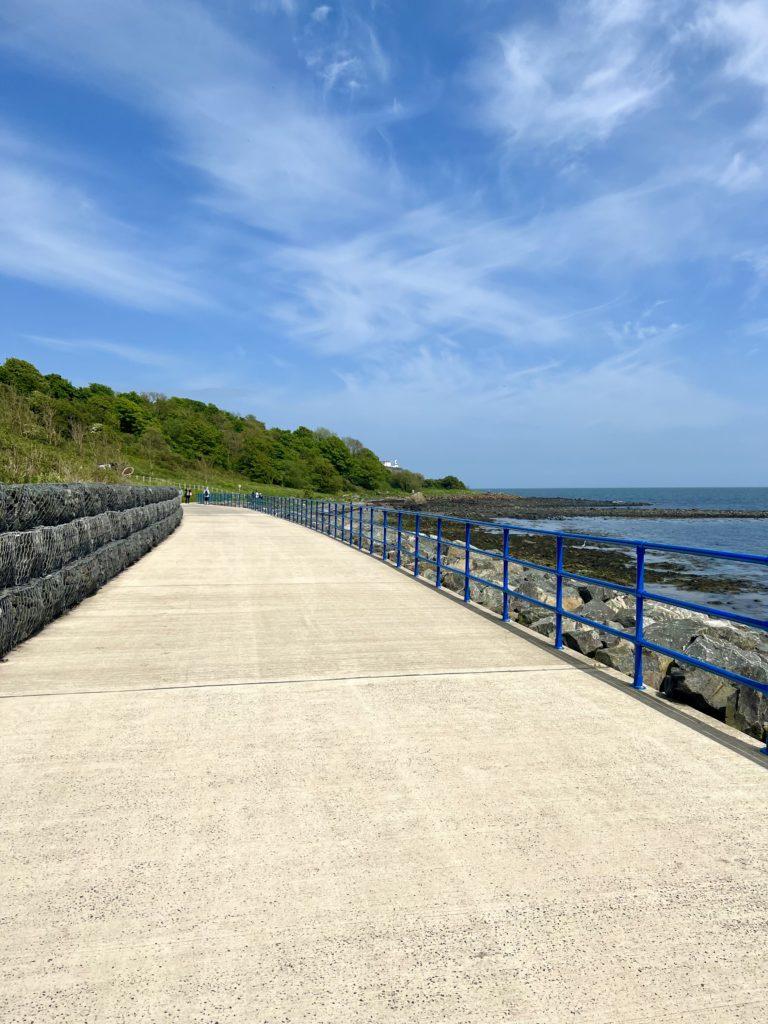
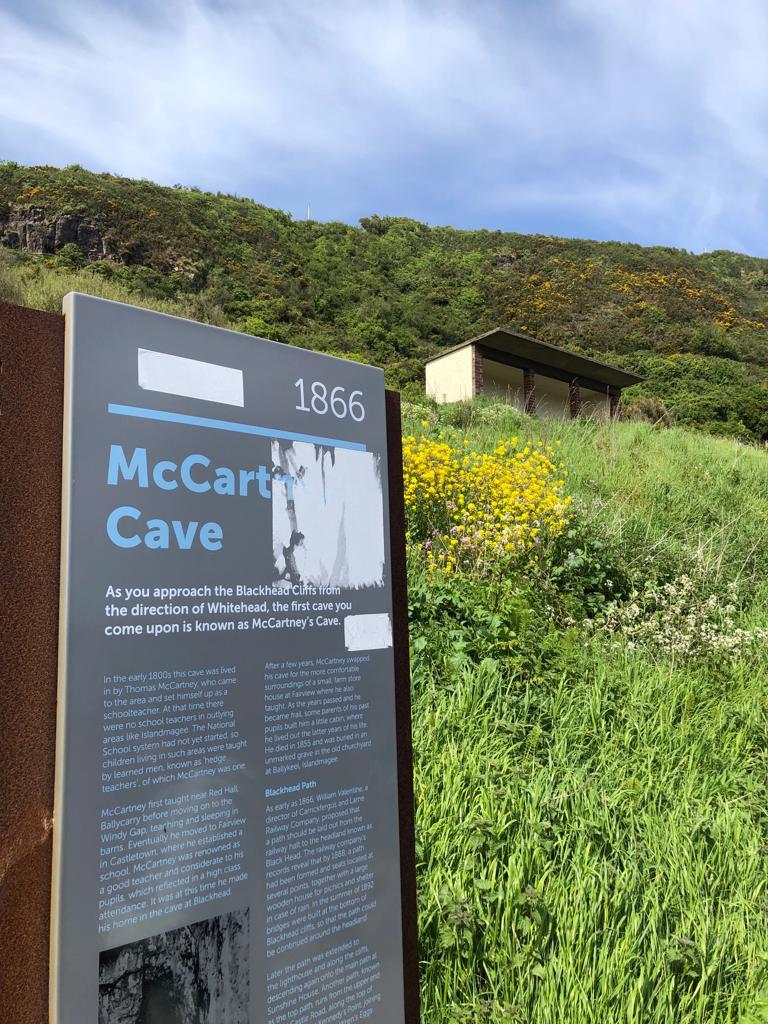
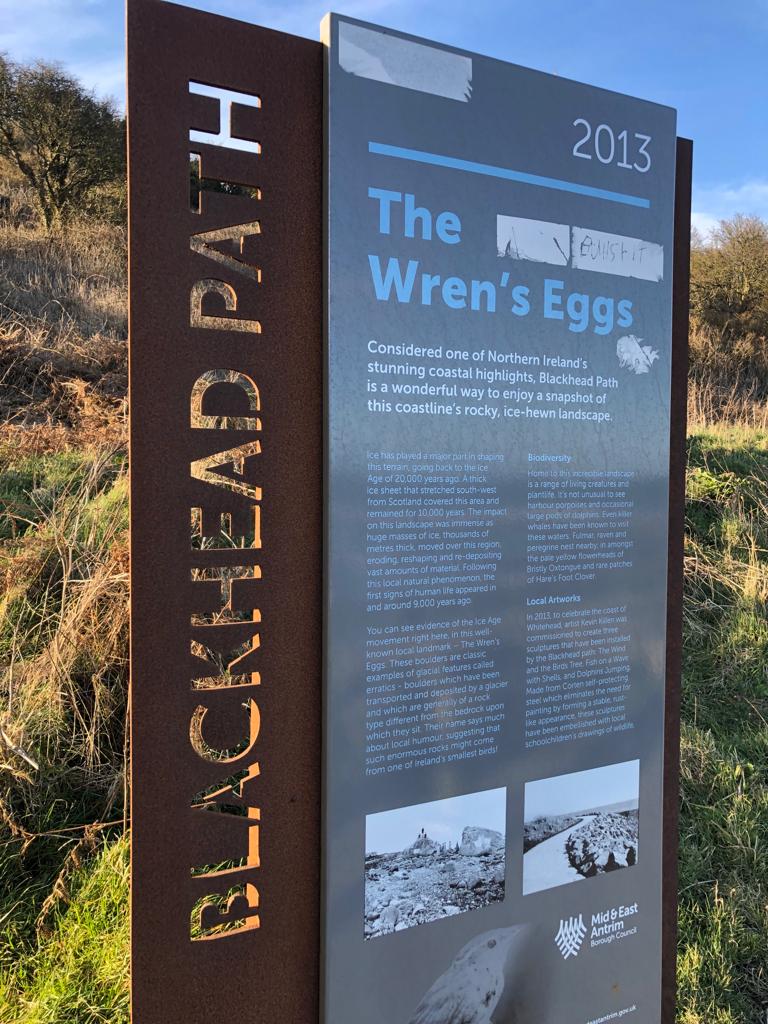
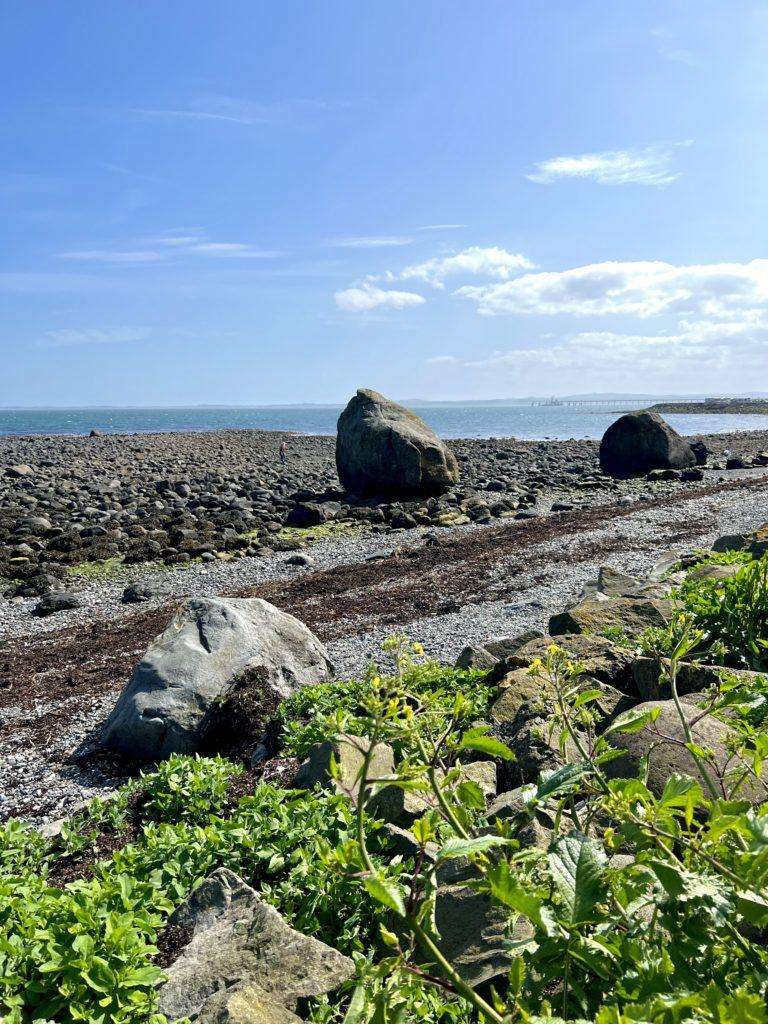
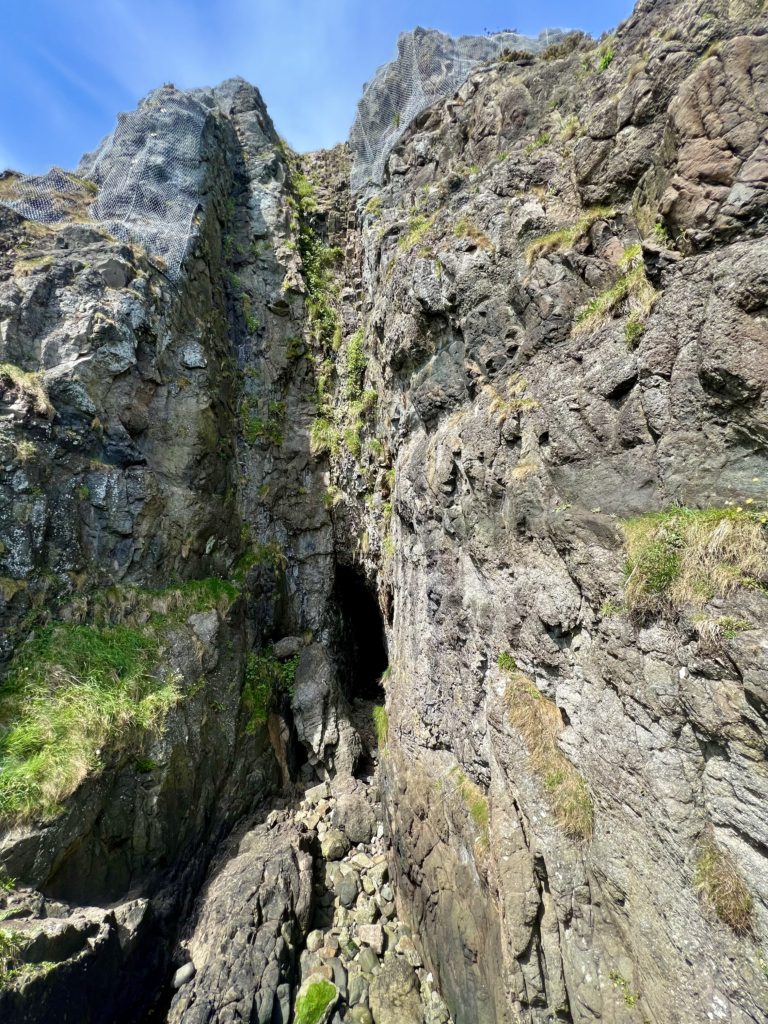
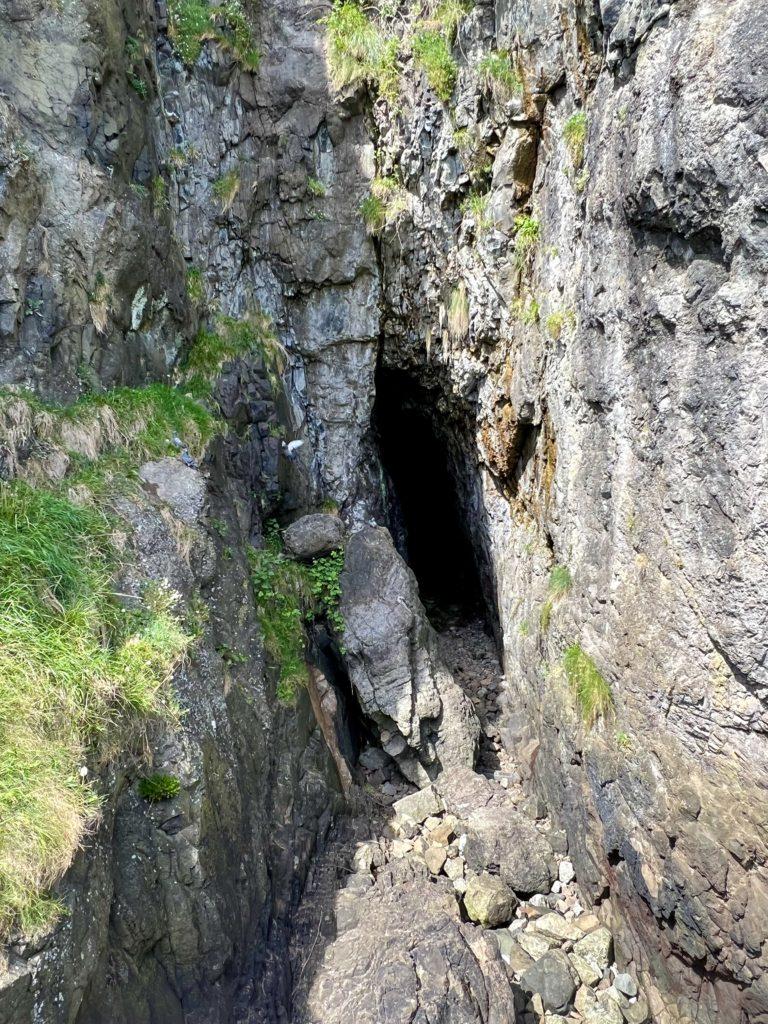
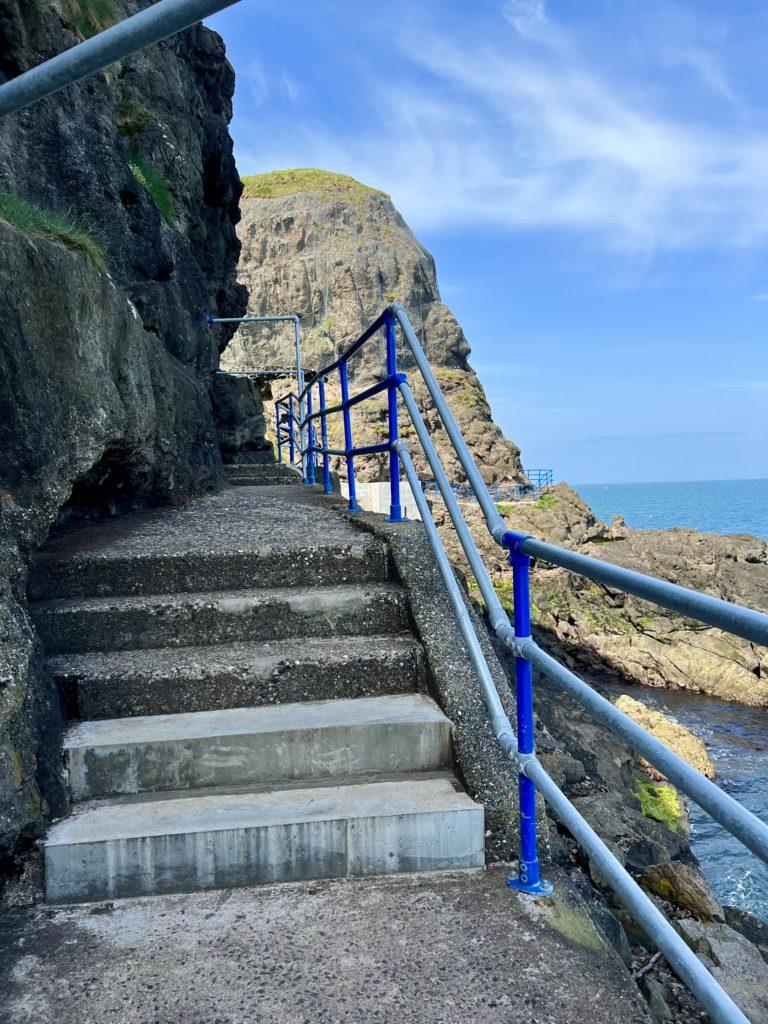
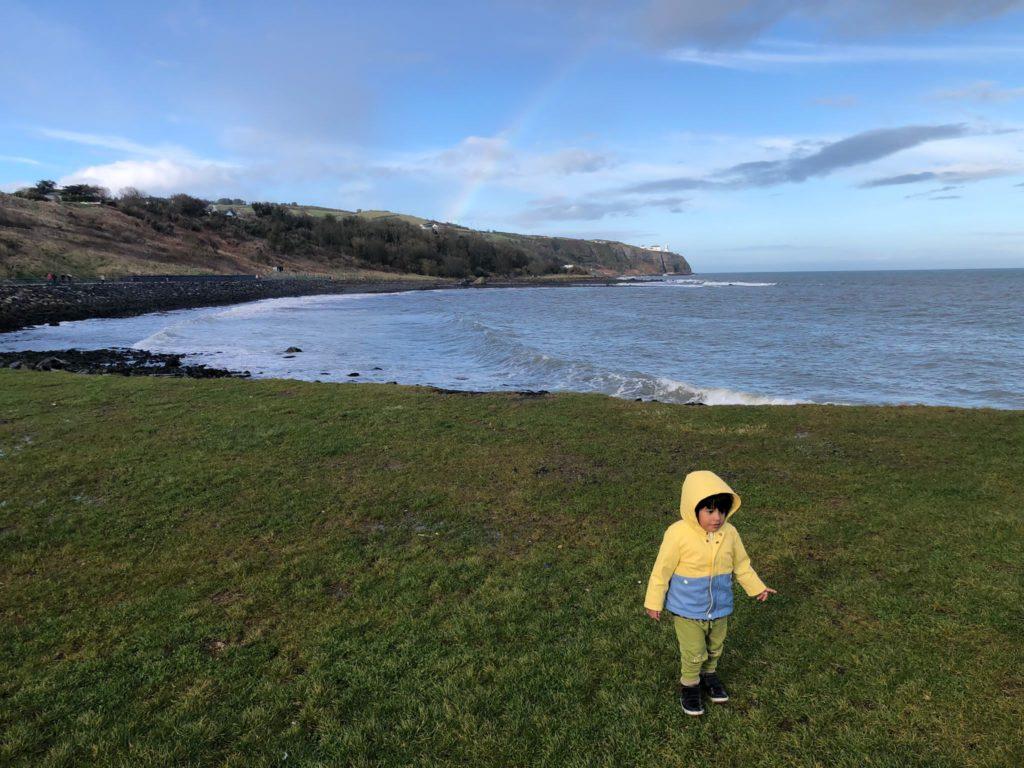
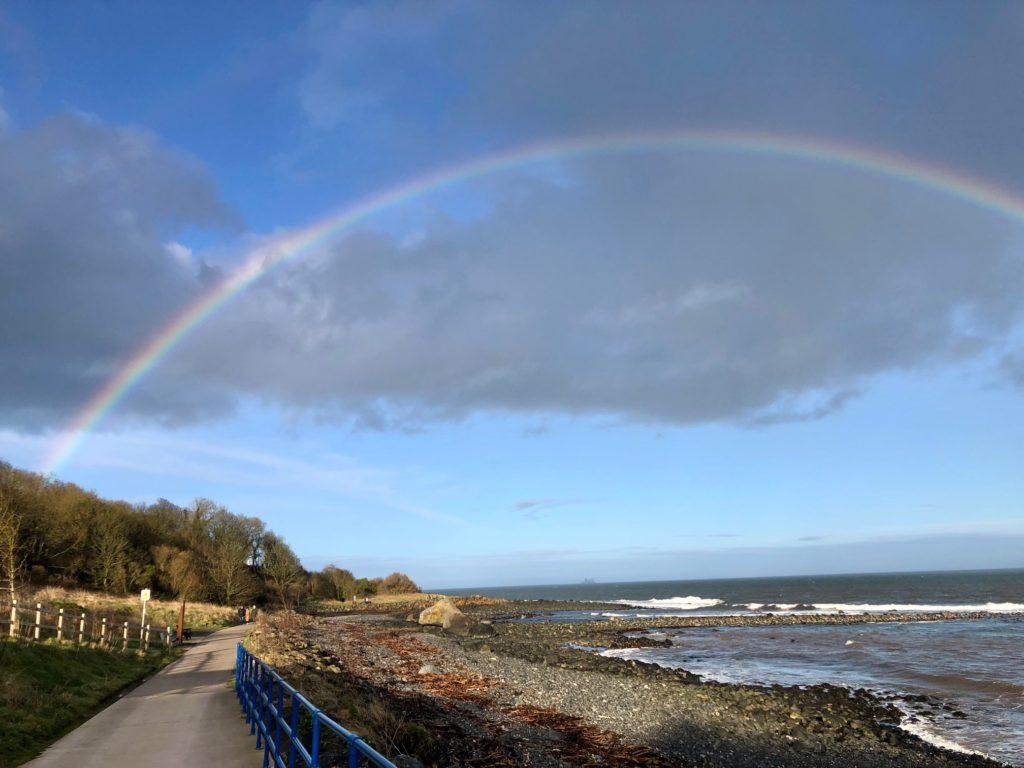
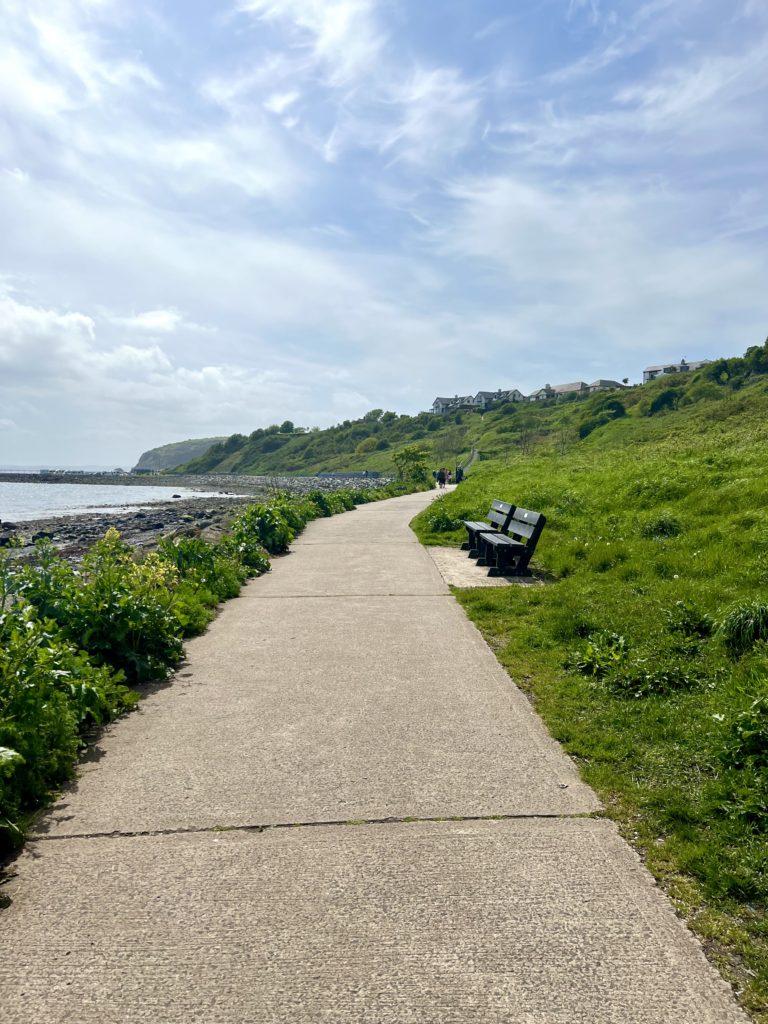
The path commences with a large car park and runs along the coast to the base of the cliff at blackhead. The path loops around the headland requiring bridges and tunnels and rises to the lighthouse connected by a series of stairs. The path can be easily deemed as the precursor to the more dramatic cliff walk at Gobbins. There are three shelters spaced along the level section of the path. The large boulders that sit near the shoreline are known locally as the Wren’s Eggs. According to Geologists they were deposited here when the ice sheets melted at the end of the last ice age, about 10,000 years ago. The inlet on the Black Head side of the Wren’s Eggs was once a busy port, called Port Davey. It was mentioned as far back as 1642 and remained in use until the 1970s. On the way there are two large caves one of which worthy of mention is known as Smuggler’s Cave which is the first cave from whitehead direction and is largest of the caves. The cave may have used by the smugglers in yesteryears, but it was used for many years by McCartney a school master hence giving it the name Schoolmaster’s Bedchamber or McCartney’s Cave.
Did You Know ??
The Dobbins Inn, in Carrickfergus is said to be haunted by the benign ghost of Elizabeth Dobbin ,the wife of the inn’s 15th century owner. He had her executed after he discovered that she was having an affair with a young soldier from Carrickfergus Castle. Hence this inn built in the 13th century ,standing over 800 years ,by the Norman knight Reginald D’Aubin is the most storied hotel in the region !
Save 20% or more
https://www.expedia.co.uk/car-hire
Also visit our post on 3 day itinerary to Belfast here.
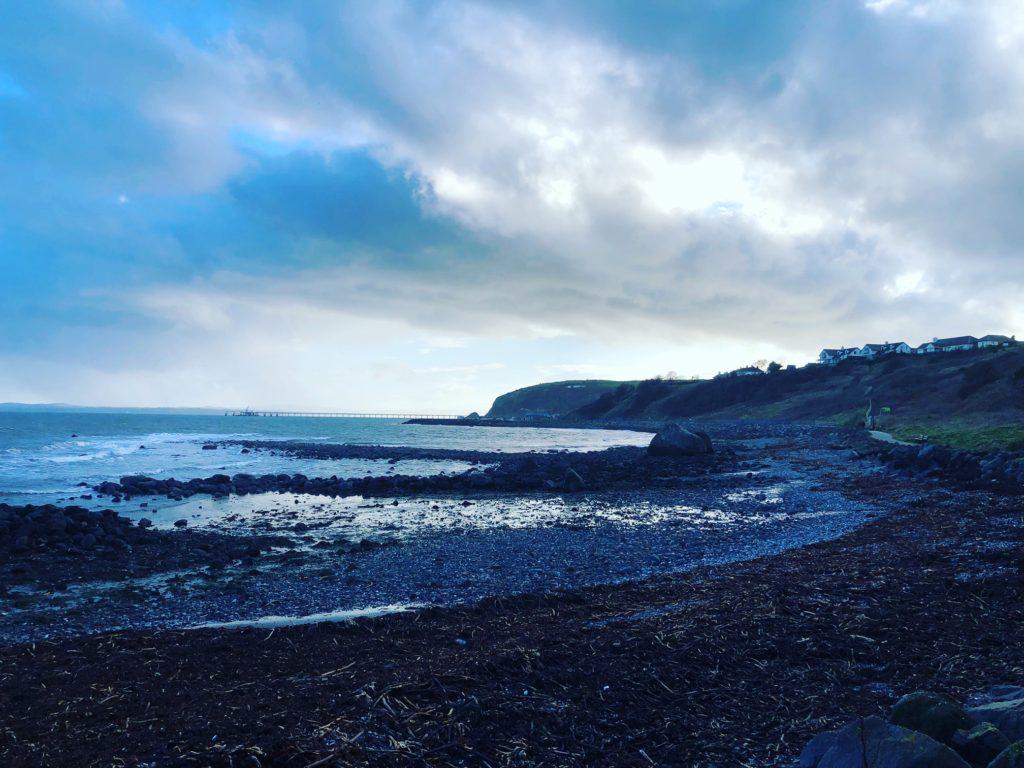
Wildlife & Nature at Blackhead
(birding, habitats and local protections)
Belfast Lough ASSI / SPA / Ramsar importance
-
Belfast Lough (inner and outer areas) is designated an Area of Special Scientific Interest (ASSI) and also forms part of SPA/Ramsar protections because of its intertidal foreshore and the high numbers of wintering and passage waders and wildfowl. The inner lough’s mudflats and lagoons are especially important feeding and roosting sites for species such as redshank and oystercatcher, plus wintering ducks and sandpipers. Blackhead overlooks this important marine environment so it’s a prime birding spot.
What you might see at Blackhead & nearby Whitehead
-
Regular sightings include gulls, waders and winter visitors; rarities and vagrant gulls have been recorded along the front. Local RSPB/ birding groups list a steady variety of waterfowl, terns in summer and wintering waders. Bring binoculars — the coastal path and the viewpoint offer excellent shorebird watching.
Conservation & visitor guidance
-
Because Belfast Lough is protected, stick to paths, avoid disturbing feeding/roosting birds (especially at low tide), and follow local signage. If you’re planning a guided birdwatching trip, local RSPB groups and wildlife centres near the lough can provide seasonal highlights and hides.
The Titanic Connection — what’s the link?
-
During Belfast’s shipbuilding golden age, Blackhead Lighthouse (completed c.1901–1902) and its counterpart lights across the lough were key navigational aids for vessels entering and leaving Belfast Lough — the approach used by Belfast shipyards. Contemporary histories and local heritage accounts note that RMS Titanic and other famous vessels would have been guided by the navigational lights of the lough (Blackhead and the lights on the opposite side / islands) as they made passage to/from Belfast. The Blackhead station formed part of that network of lights that marked the mouth of the lough.
-
For visitors who want more Titanic context, Belfast’s Titanic Quarter now displays the Great Light (a huge historic Fresnel optic formerly used at Mew Island/Mew/other lough lights) and interpretation about Belfast’s shipbuilding history — this helps explain how lighthouse optics and harbour navigation supported the shipbuilding industry of which Titanic was the most famous product. Visiting the Titanic attractions plus Blackhead gives a fuller picture of the maritime story.
FAQ
How long is the Blackhead lighthouse walk?
Answer: The walk starts near the small parking area at the lighthouse. From here you can pick up the Blackhead Path and follow it around the site for about 4Km.
How tall is the Blackhead lighthouse?
Answer: The tower is 52 feet high and painted in white color.
What are some interesting facts about lighthouses?
Lighthouses are uniquely painted to help mariners identify them during daylight. For instance, a lighthouse may be entirely white if it is set against a dark background. Red and white stripes are used when the lighthouse is against a white background, such as cliffs or rocks.
The height of a lighthouse considers the Earth’s curvature; the higher the light above Mean High Water (MHW), the further it can be seen at sea. However, it shouldn’t be so high that local sailors can’t see it. Therefore, lighthouses on cliffs are often shorter, while those near the water are taller.
Lighthouses located close to each other have different flash patterns to help mariners determine their location. Some lighthouses in different regions may share the same flash patterns.
Initially, lighthouses were lit with open fires and later progressed through candles, lanterns, and electric lights.
Today, lighthouses are operated by machines and monitored remotely. Automatic sensors detect extra moisture in the air and activate fog signals accordingly. Radio signals are used to communicate with ships. Before advanced technology, lighthouse keepers managed these tasks.
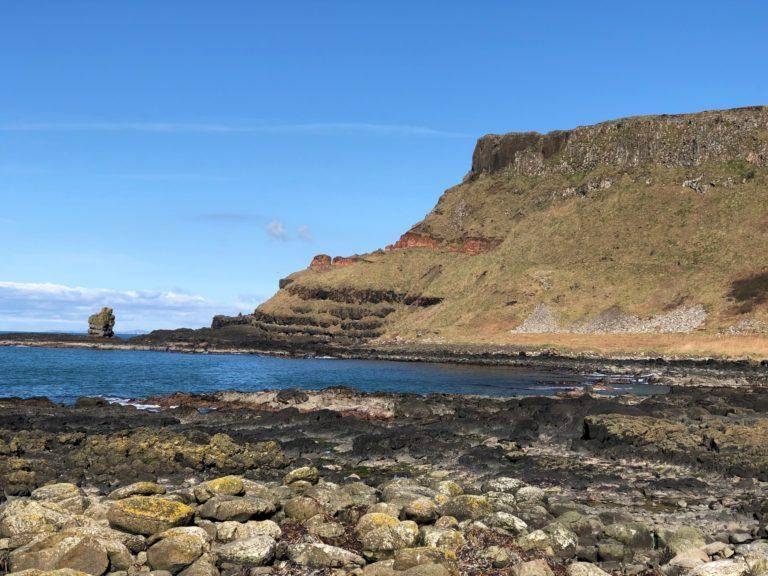
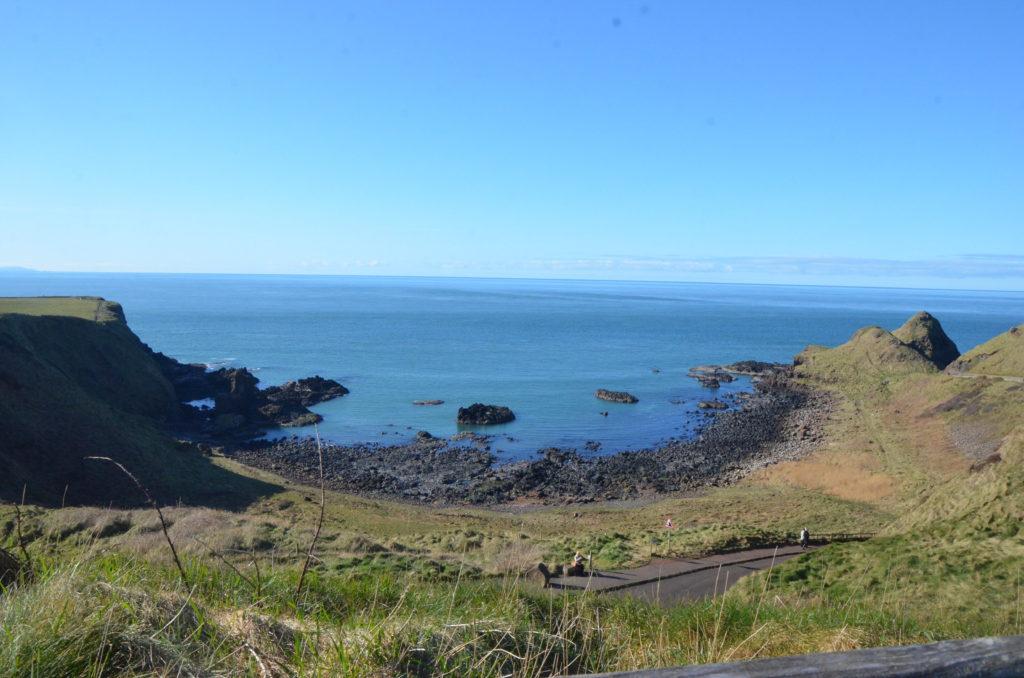
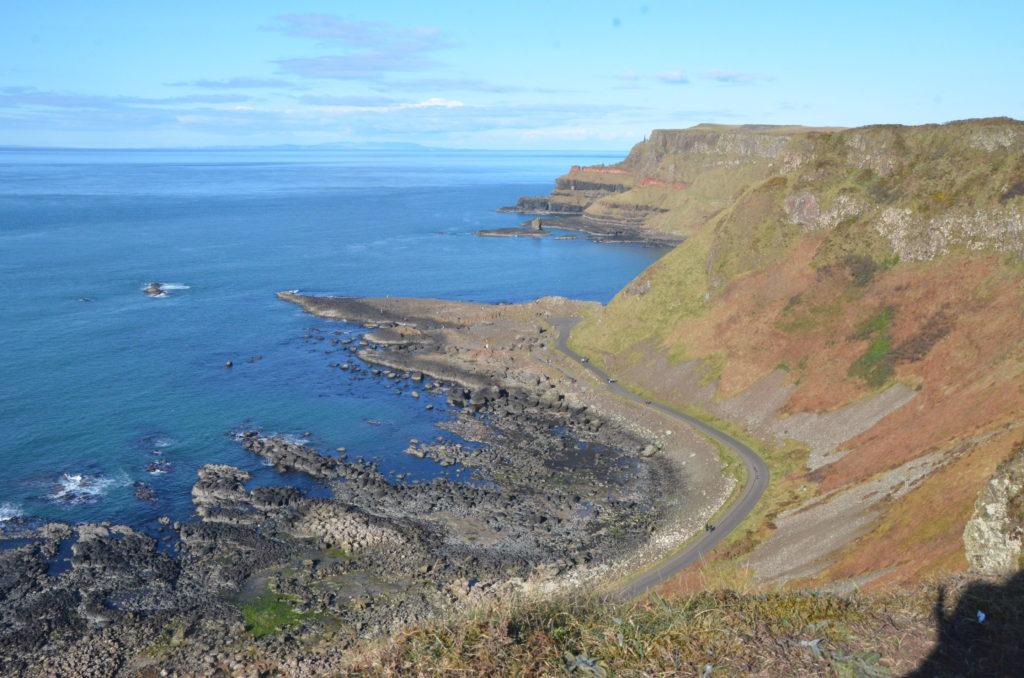
Giant’s Causeway is an iconic place! Fringed by the wild North Atlantic Ocean and dramatic cliffs,it’s a goldmine of spectacular natural beauty and legendary tales.
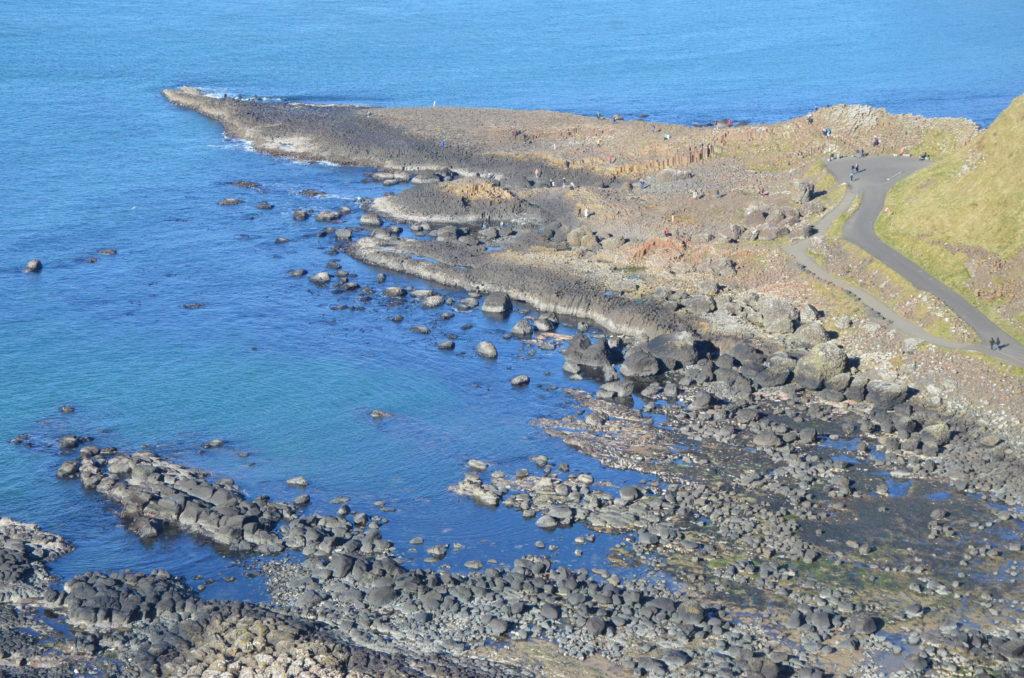
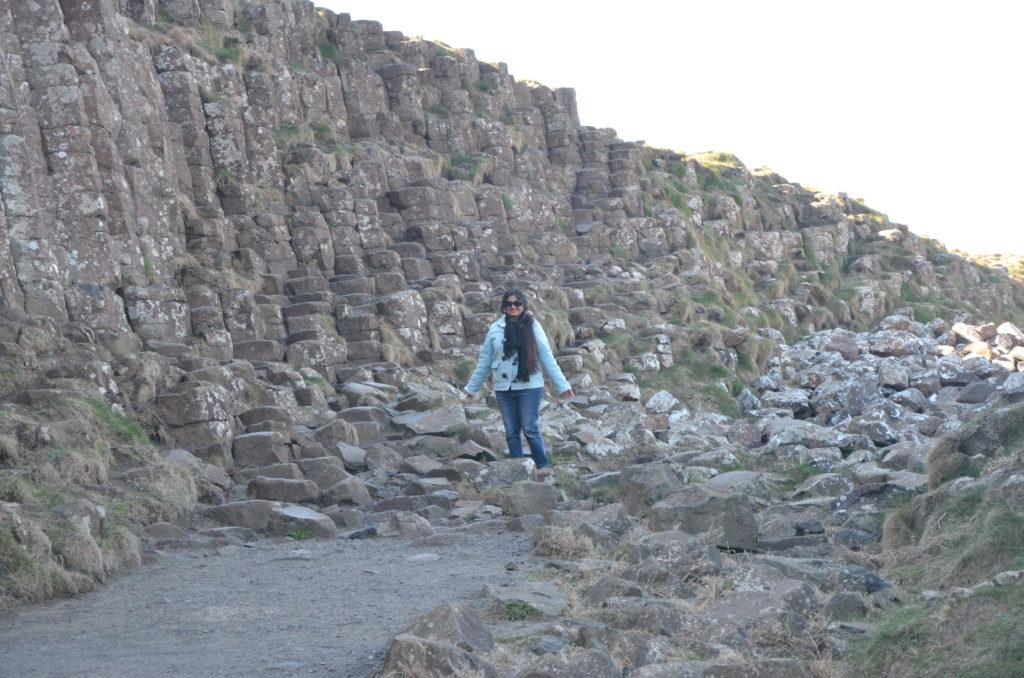
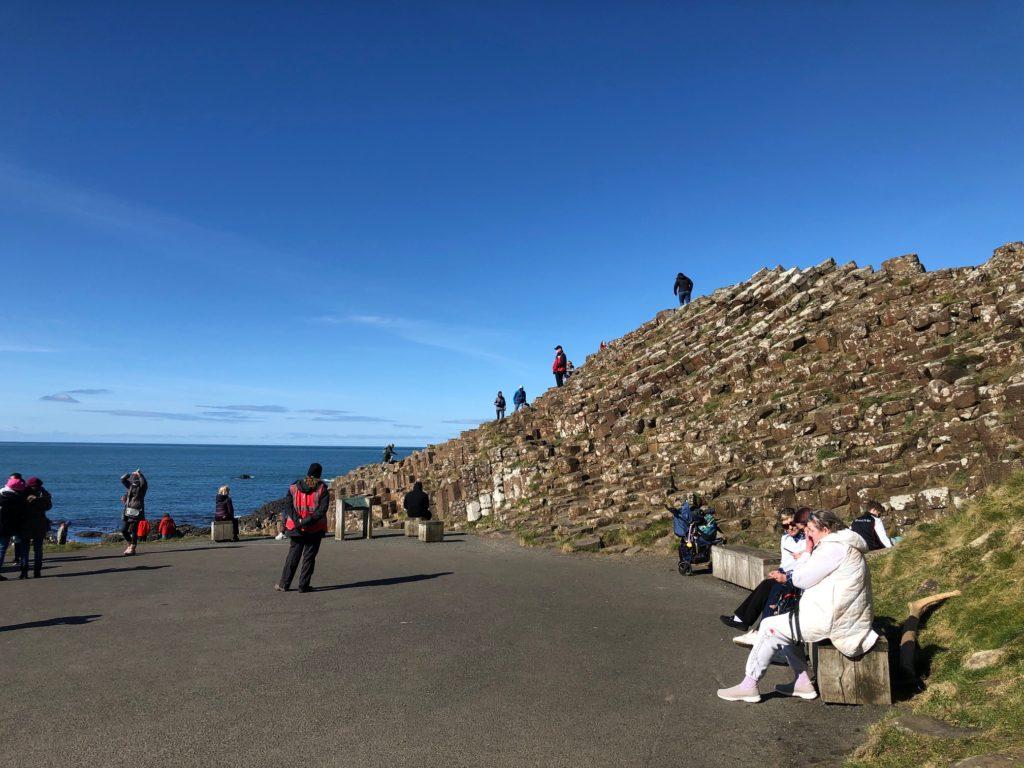
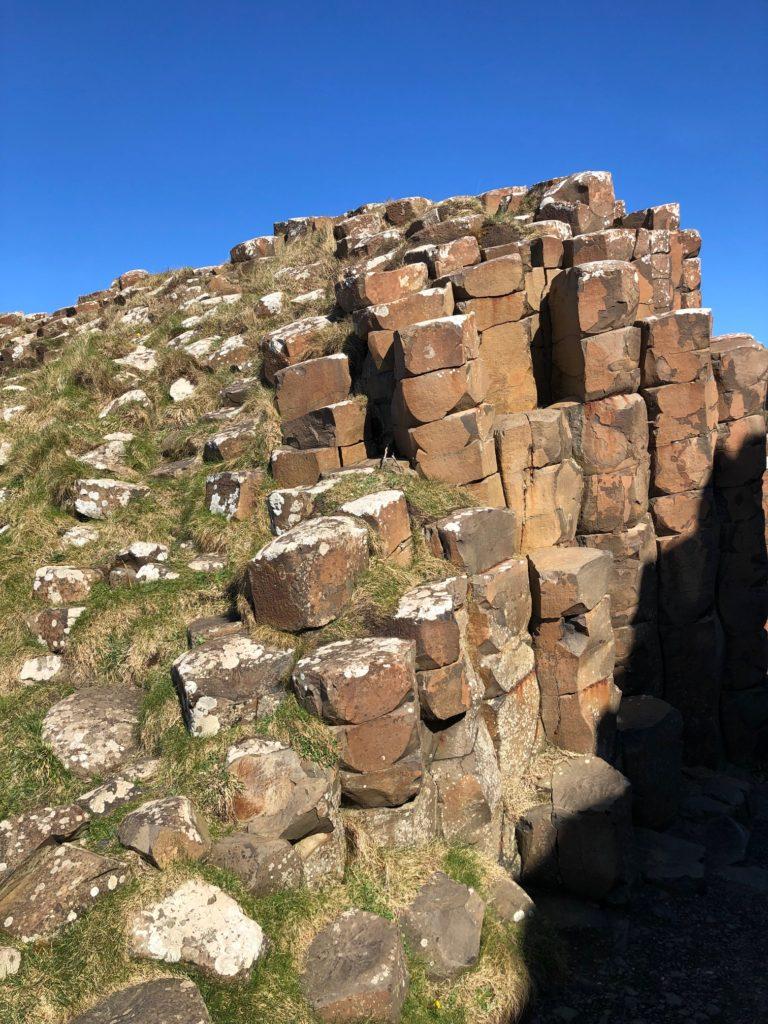
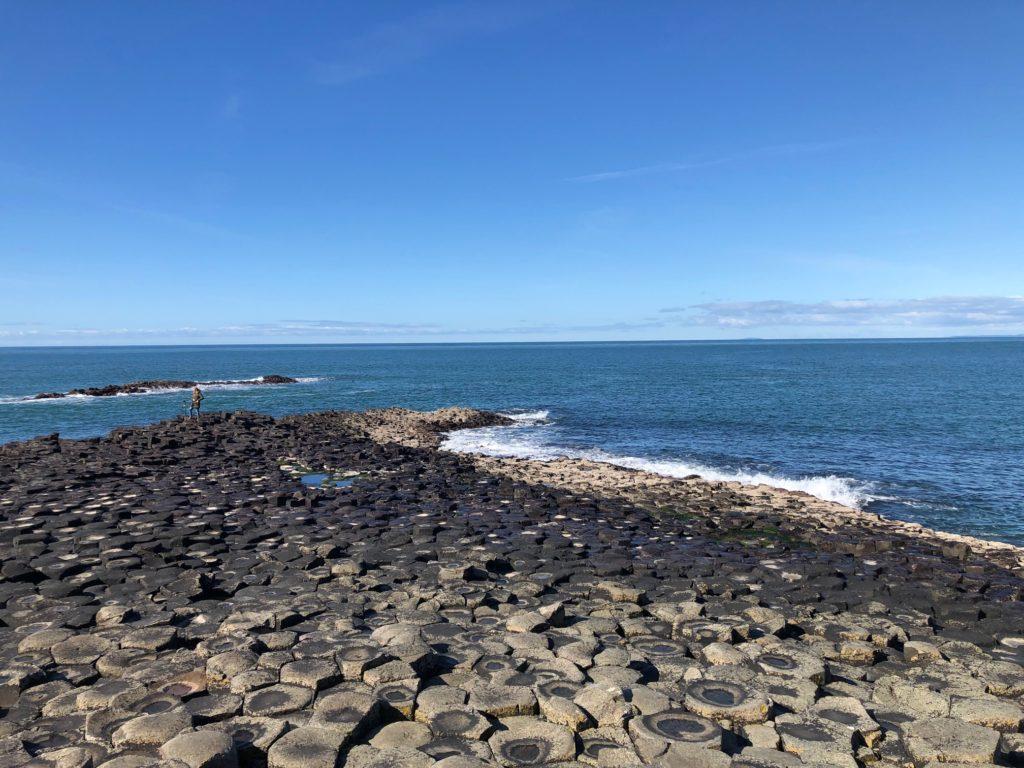
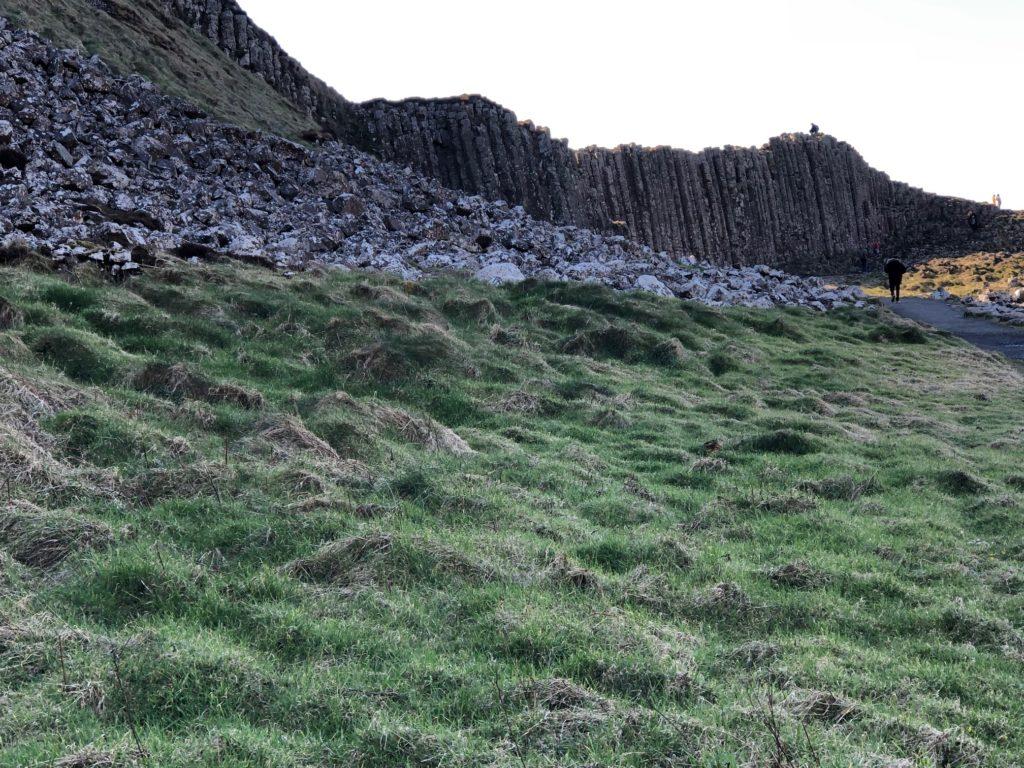
The 40,000 basalt stone columns left by volcanic eruptions 60 million years ago has captured the imagination of all who see it. But it derives its name from a local folklore, and some choose to believe the more fascinating fable that the causeway was built by the Irish giant Finn McCool.
According to the folklore when another giant Benandonner from Scotland threatened Ireland, Finn retaliated by tearing up great chunks of the Antrim coastline and hurling them into the sea building the causeway as a bridge to join Ireland and Scotland.
As it turned out Benandonner is a massive giant, much bigger than Finn, in order to save himself Finn retreats to Ireland and disguised as a baby with the help of his ingenious wife. On arriving Benandonner sees Finn disguised as a baby and realizes that if a mere baby is that big, the father must be far larger than Benandonner himself ! Benandonner fled back to Scotland destroying the causeway so Finn could not follow.
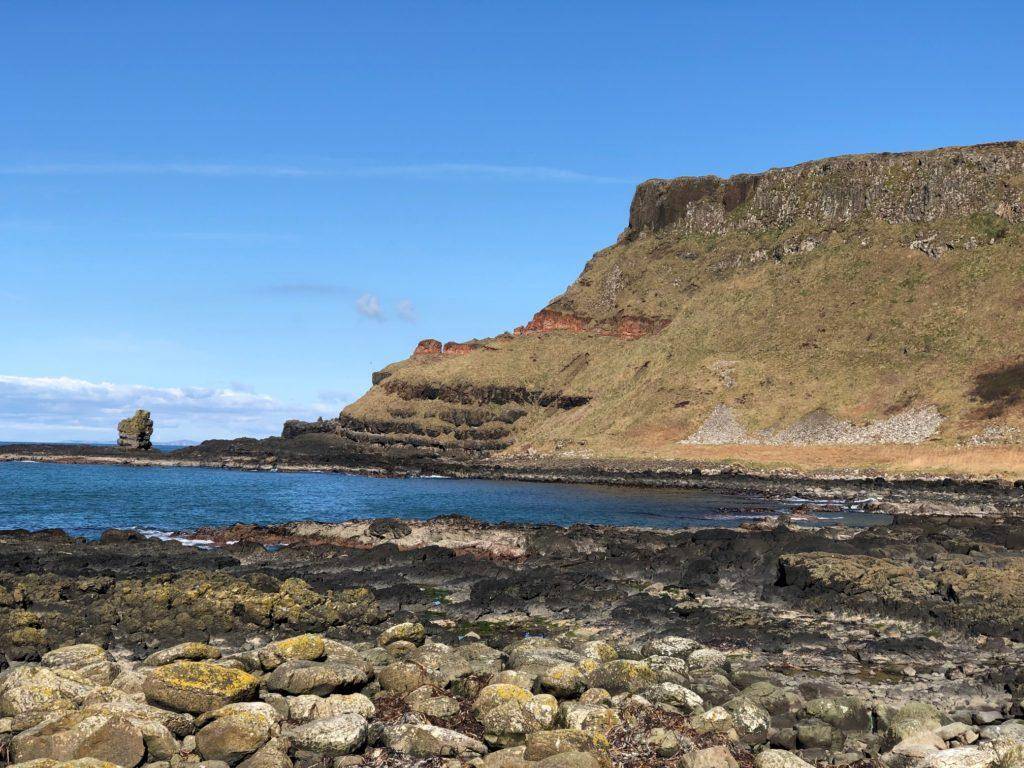
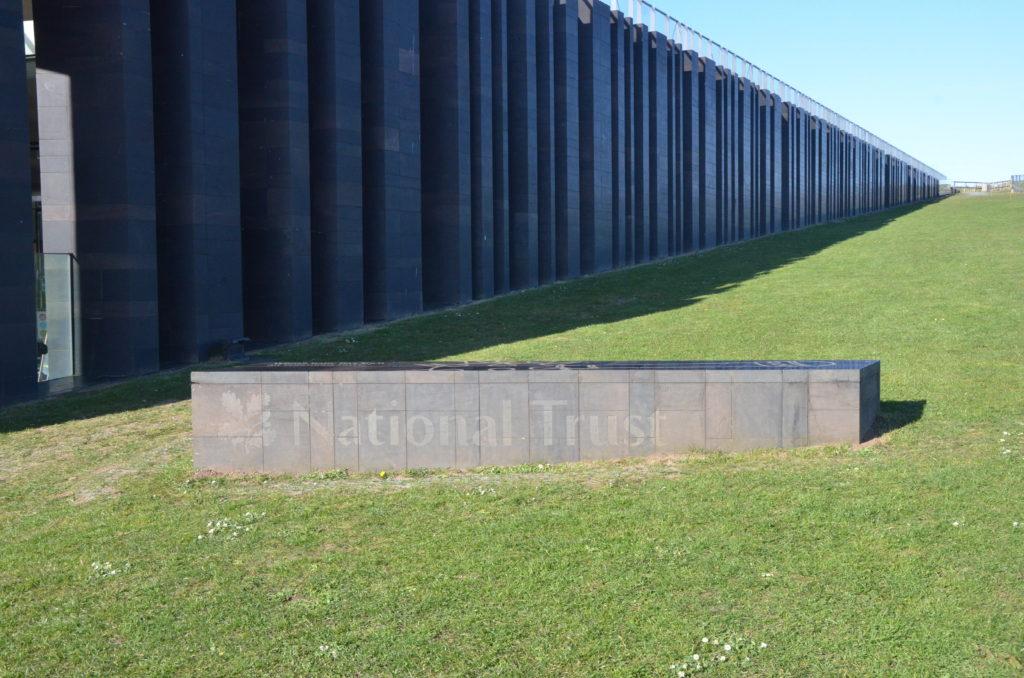
Humans settled around the Giant’s Causeway in the 19th century, but the site is now uninhabited the nearest village being Bushkill only 2 miles to the north. It does however attract some 300,000 tourists annually after it was designated a UNESCO World Heritage site in 1986.There are few hotels and inns and bed and breakfast facilities near the Causeway to host the tourists. It is about 1.5 hours’ drive from Belfast. Protected by National Trust the cliffs, seashores, marshes, and grasslands of Giant’s Causeway are home to some 50 species of birds, as well as to more than 200 species of plants.
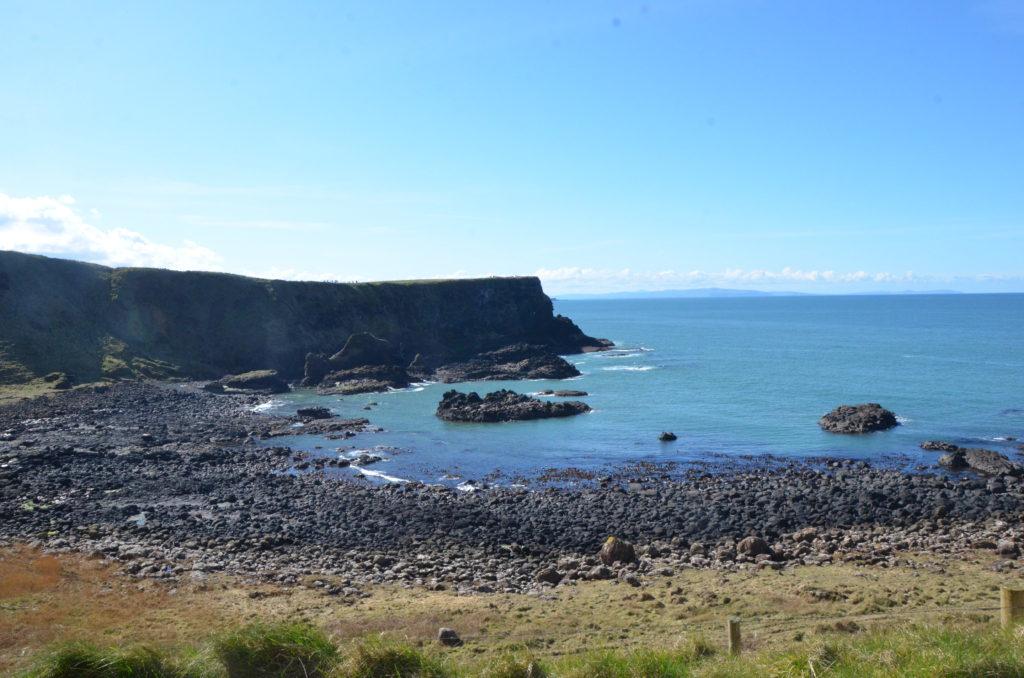
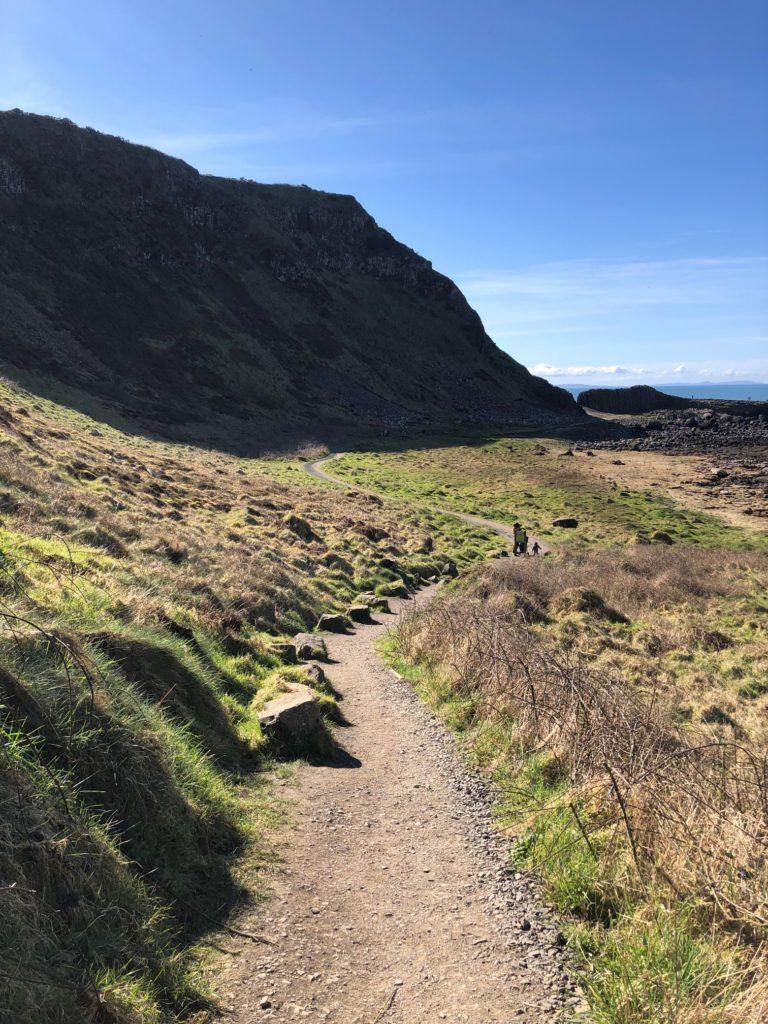
There are lots of activities to do in Giant’s Causeway. You can explore the world-famous basalt columns distinctive stone formations accompanied by an experienced Ranger or you can follow the trails with an audio guide (Audio guide available in 11 languages: Dutch, English, French, German, Italian, Spanish, Japanese, Mandarin, Russian, Polish and Portuguese). There are several trails available you can choose from.
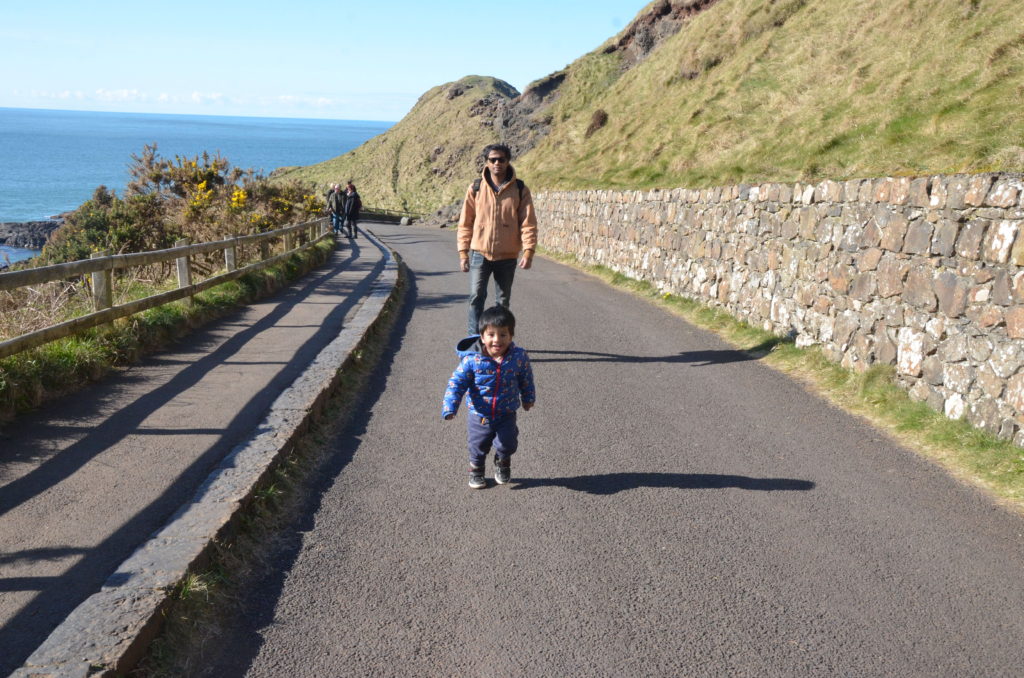
Blue Trail (Easy) : Blue Trail is of about 1.2Km leading directly to the world famous trails. It is kids friendly.
Red Trail (Moderate) : This 1.2 Km long trail offers the visitors with many unique viewing point .This clifftop trail gives you a bird view of the rocks.
Yellow Trail (Challenging): This 2.85 km trails starts at Runkerry Head and ends at Hamilton’s Seat marking the perimeter of World Heritage Site.
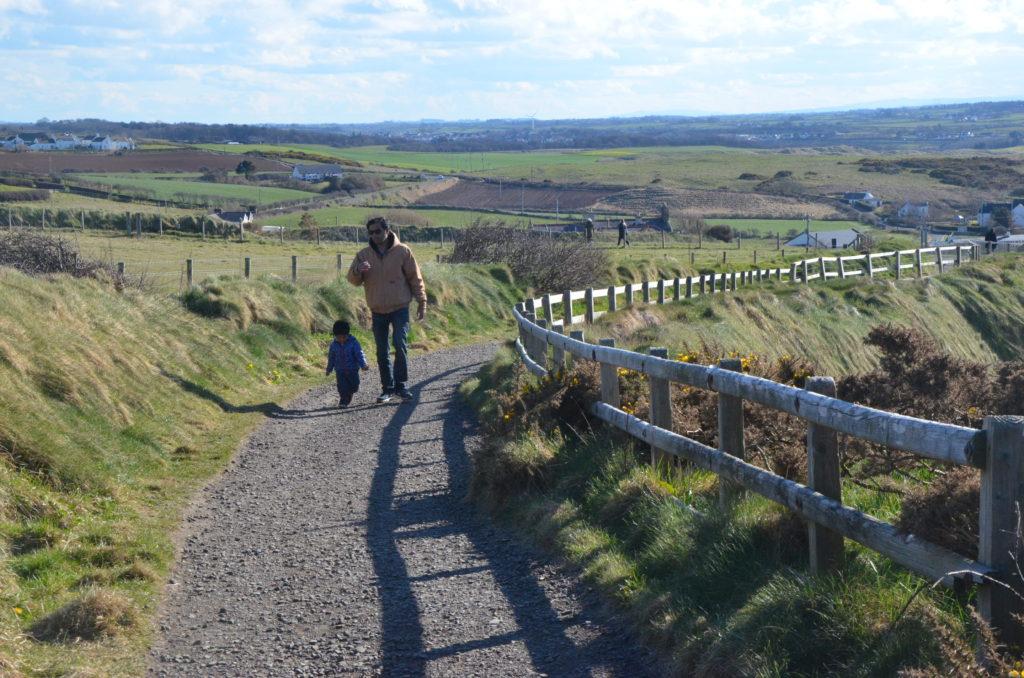
Green Trail (Moderate) : Green trail 3,2 km long and ideal in a over-crowded day to enjoy the view in tranquility .You will get views of the stones and clifftop walk and you can also spot wildlife on your way.
You can also book the Cliff top Experience walk with Away A Wee Walk, the National Trust and Northern Ireland tour company https://www.awayaweewalk.com/project/giants-causeway-cliff-path-tour/
Pre-booking essential for the Visitor Experience and the ticket includes reserved parking, guide, access to the state-of-the-art Visitor Centre featuring an illuminating exhibition showcasing the stories and the science behind the Giant’s Causeway, the shop, café and all facilities. Guided tour is also available for visitor reduced mobility or disability who are unable to walk to causeway stones independently .For booking go to https://www.nationaltrust-tickets.org.uk/tickets?branches.branchID=2473
There are a few surfing schools and Horse Farms in Causeway Coast that offers lessons on surfing ,stand up paddle boarding and horse riding incase you want to try your hands on them.
Nearest Accommodation
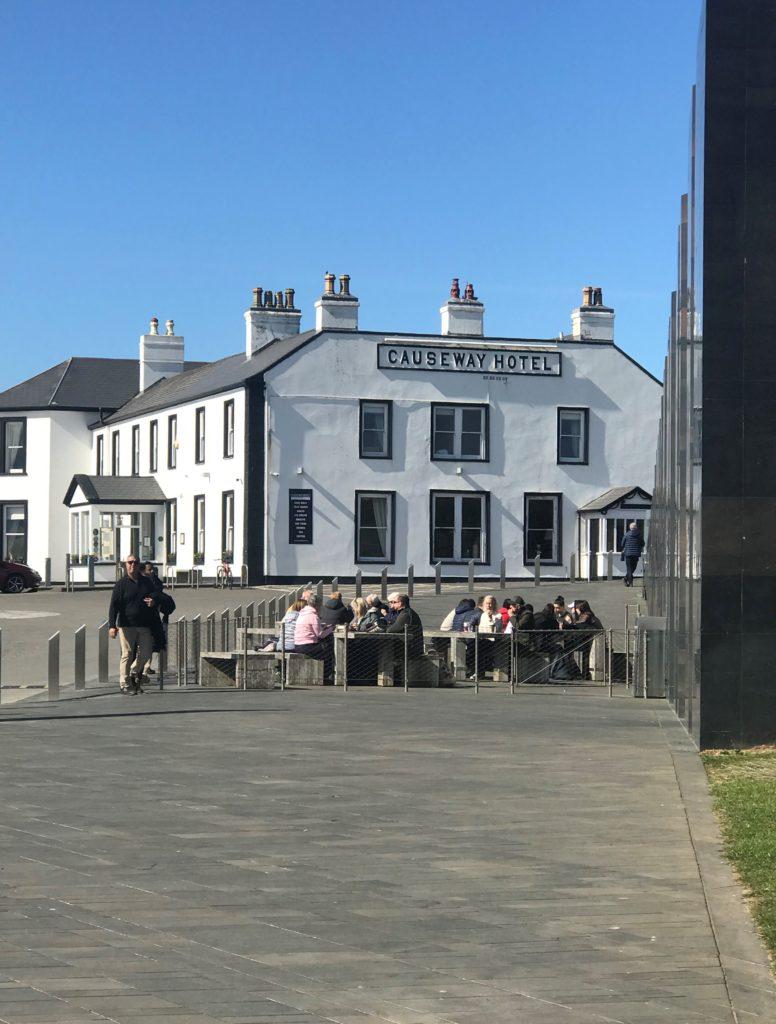
The Causeway Hotel
Call 028 2073 1210
Email [email protected]
Finn McCool’s Giants Causeway Hostel
Call (+44)(0) 7488596602
Email [email protected]
Website https://finnmccoolshostel.com/index.html
HOW TO GET THERE
There are a few ways to get to Giant’s Causeway, via tour, public transport or car. The fastest and most convenient way to get there is by tour, which travels directly to Giant’s Causeway. It’s a 60-mile journey from Belfast that takes around 90 minutes. And from Dublin it’s a 160-mile journey that lasts around 3 hours.
It’s also possible to travel with a combination of train and bus. This is a longer journey that involves more travel connections.
https://youtu.be/TPpCGXDFg7o
For more such interesting places visit our other blog post here.
CS LEWIS SQUARE
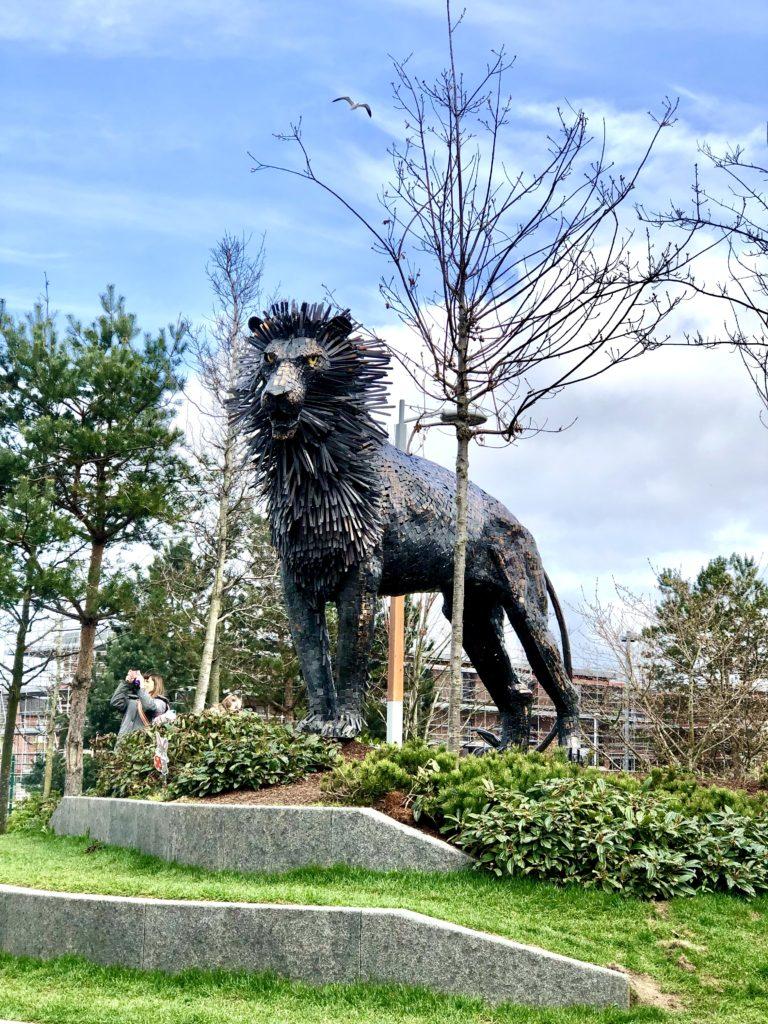
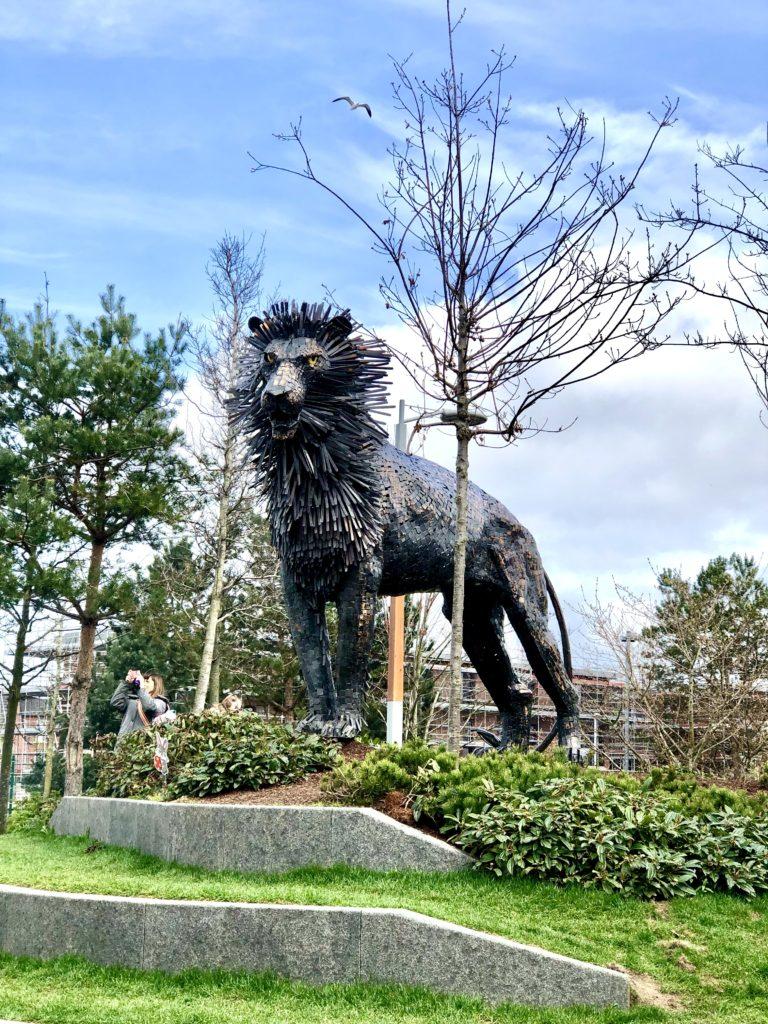
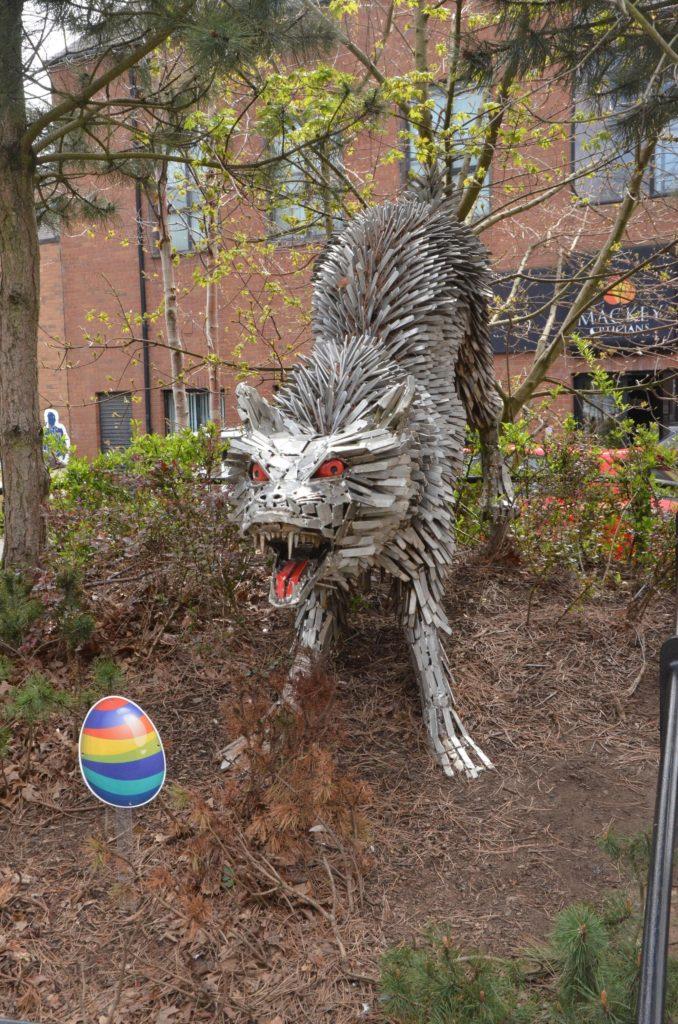
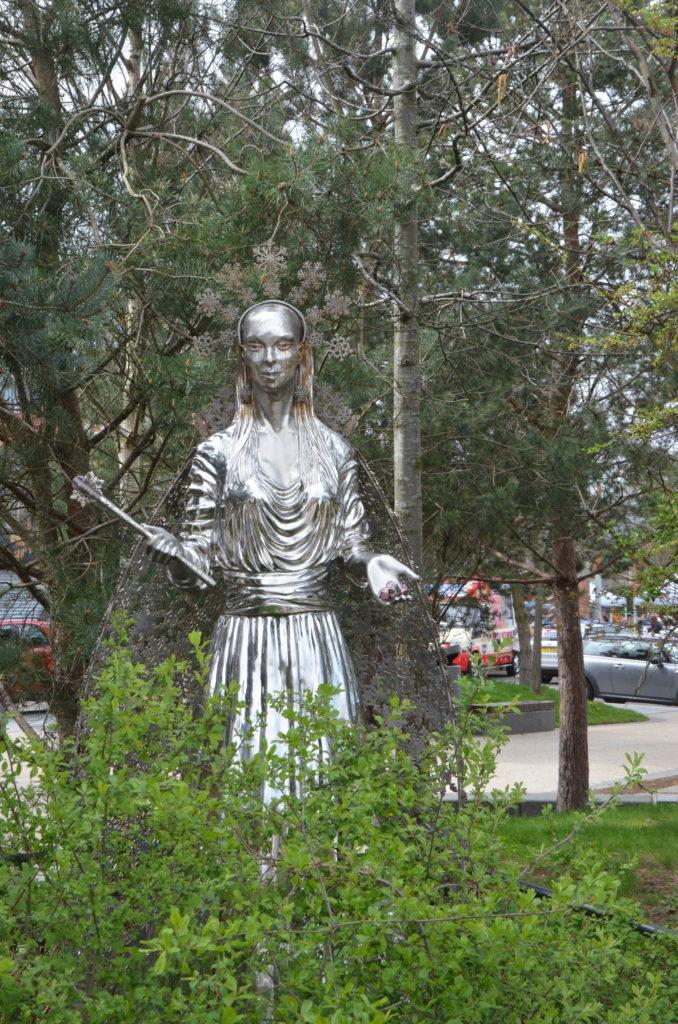
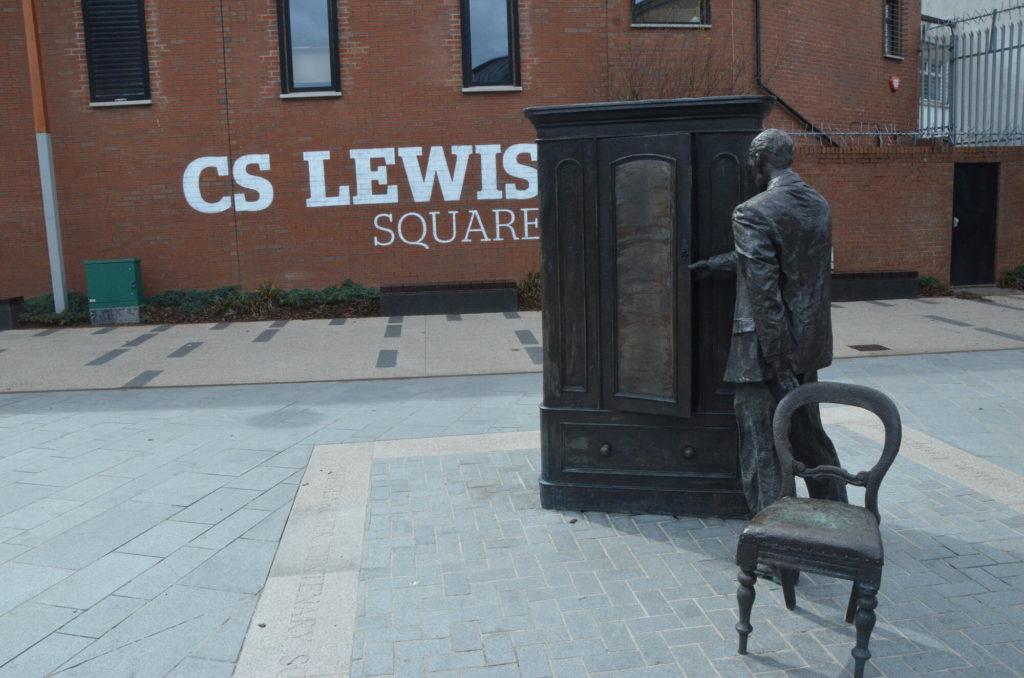
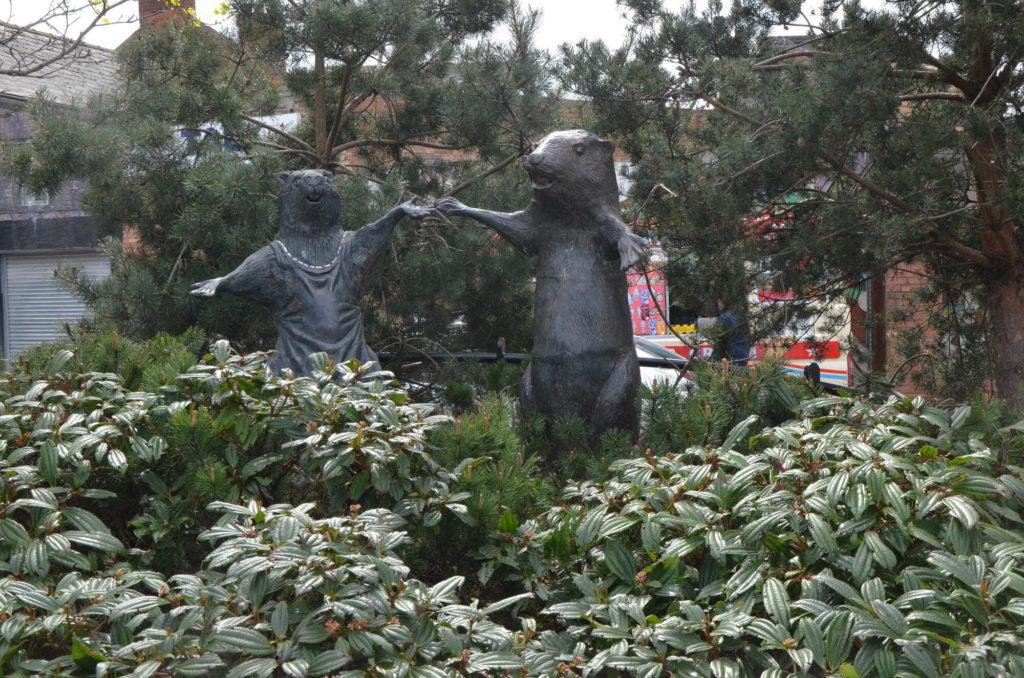
If you are a Narnia and mighty Aslan fan do visit C.S Lewis Square when you are in Belfast. C.S Lewis Square at Holywood Arches is just 0.5 km from the city center is at the heart of Connswater Community Greenway. You can explore 7 magnificent sculptures created by Irish Artist Maurice Harron and one by local artist Ross Wilson based on characters from The Lion, the Witch and the Wardrobe written by the legendary author C.S Lewis.
The place has a dramatic landscape featuring almost 300 trees including Scots Pine, cedar, magnolia and cherry and the Connswater river flowing which inspired young C.S Lewis to create the magical world of Narnia. You can also take a stroll to St. Mark’s Church, where his grandfather was rector and where Lewis himself was baptized, and No. 47 Dundela Avenue where a Blue Plaque marks where the writer was born.
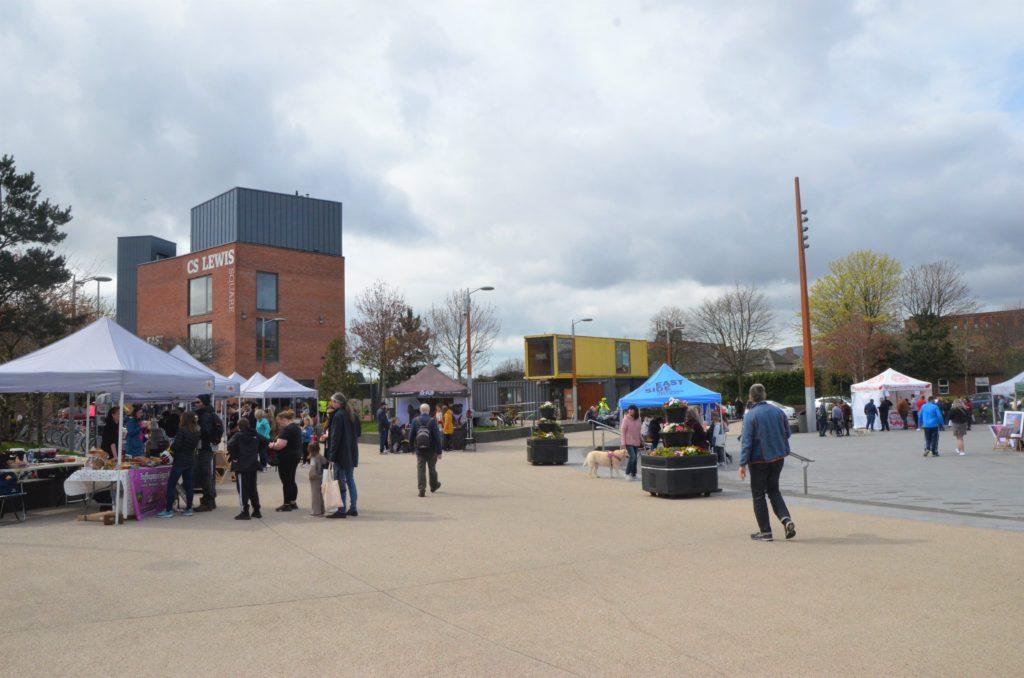
C.S Square is one of the Northern Ireland’s most exciting public places. With a capacity of 2000 it regularly hosts fitness classes, community events and markets. We visited C.S Square on a bright Saturday morning and chanced upon Urban market where they sell all handmade products ranging from delicious food to homewares paintings jewelries scents and other gift items. Urban Market is held 1pm -5pm third Saturday of every month in C.S Lewis Square .

More Hidden Gems in Belfast
Sunflower Pub: A Hidden Gem for Authentic Belfast Nightlife
A historic and vibrant pub tucked away on Union Street, famous for its live music, eclectic décor, and friendly vibe. Its beer garden is a local favourite and perfect for mingling with Belfast residents and experiencing authentic local culture.
Linen Hall Library
Founded in 1788, this is Belfast’s oldest library. Housed in a beautiful Victorian building, it’s renowned for unique Irish and genealogy collections, plus frequent exhibitions and cultural events.
Bog Meadows Nature Reserve
An urban wetland oasis located near St James’ Farm, offering tranquil walking trails, ponds with wildlife, and quiet escapes from the city’s bustle. Great for birdwatching and nature photography.
Colin Glen Forest Park
A beautiful forest park with lush trails, a thrilling zipline, and adventure activities. It’s a great option for those seeking outdoor fun away from typical tourist routes.
Lisnabreeny Cregagh Glen
A picturesque wooded glen in the southeast of the city. Ideal for peaceful walks through lush greenery and scenic views, it’s rarely busy and offers a true escape into nature.
Queen’s Arcade
The last surviving Victorian arcade in Belfast, recently restored to its former glory. Discover boutique shops and independent businesses in a stunning, historic setting.